This document is an installation and user manual for the Teba therm Model T-22 / T-22 Plus Central Heating Stove with Solid Fuel.
Function Description
The Teba therm central heating stove is designed to provide comfortable and easy-to-use interior aqueous heating. It combines the aesthetic pleasure of a fireplace view with the functionality of an independent heating unit. The stove distributes heat to radiators throughout the house and provides hot water via a heat exchanger or boiler. The stove body is constructed from steel, and the food heating chamber features a Teflon or enamel coating. A water chamber surrounds three sides (right, left, and rear) of the combustion and heating area. The chimney output is located on the upper plate of the product. The product is highly efficient due to its physical structure and includes an automatic ash discharge system and an easily replaceable grid system. A mechanical thermostat ensures that the circulation pump operates automatically, preventing continuous electricity consumption. The circulation pump operates quietly with low electricity consumption, comparable to a light bulb. Once the air flow is set, the system automatically draws fresh air through the mechanical thermostat, allowing for fuel savings by operating the product at the desired temperature.
Important Technical Specifications
- Compliance: Tested according to DIN EN 13240.
- Electrical System: Operates at 220V / 50Hz. The manufacturer is not responsible for voltage drops or rises.
- Water Temperature: The boiler thermostat enables the circulation pump to operate between 35ºC and 45ºC. If the boiler water temperature rises to 95ºC, a heat safety valve opens to allow cold water to circulate and reduce the boiler water temperature.
- Chimney Connection: Steel sheet flue pipes of 2mm thickness must be used. Connection must be firm and close. Horizontal connections should be avoided if the distance between the stove and chimney is long. A minimum of 1 meter vertical flue pipe should be used for short distances. Multiple chimney connections are possible at the exhaust gas outlet. Chimney connection should be done according to DIN4705.
- Radiator Plumbing: Main line pipes for metal and plastic PVC should be at least 1 inch. Main line pipes for the last few radiators can be 3/4 inch metal and plastic PVC.
- Safety Distances (Minimum Distance):
- From rear wall (A): 25cm
- From lateral wall (B): 15cm
- From radiation area (front side of the product) (C): 80cm. This can be reduced to 40cm with a protection panel.
- Minimum dimensions for stove bottom plate (if floor is flammable/heat-sensitive):
- Front length (D): 50cm
- Lateral length from inner edge of fire chamber cover (E): 30cm
- Fuel Capacity:
- Wood: 3-4 parts (approx. 3.5-4 kg)
- Coal Briquettes: 3-4 parts (approx. 3.5-4 kg)
Usage Features
- Fuel: Suitable for highly efficient solid fuels. Unsuitable fuels include moist wood, treated wood, thin sawdust, paper and paperboard (except for ignition), bark and hardboard waste, plastic, and other wastes. Flammable materials like thinner, paint, or gasoline should not be used.
- First Use: After installation, fill the stove and radiators with water, ensuring no leakages. Connect the product to electrical power. Check the circulation pump by removing the yellow screw and rotating the inner shaft with a screwdriver if it doesn't rotate automatically. Fill the expansion tank halfway. Remove all labels (except the plate) and accessories from the ashtray or fire chamber.
- Combustion: Start by placing 3-4 briquettes of wood and small pieces of wood or paper in the fire chamber. Open all glass cleaning vents. Close the fireplace chamber cover after ignition.
- Mechanical Thermostat: Set to 90ºC initially for 10-15 minutes (wood) or 15-20 minutes (coal briquettes) at maximum temperature. After the stove is hot (approx. 15-20 minutes), adjust to the desired temperature, not below 40ºC to ensure rapid combustion. The chain connected to the thermostat ensures wide opening of the vent cover.
- Adding Fuel: Use wood in a single layer to fill the width of the fire chamber. Close the air vent cover of the mechanical thermostat before opening the flame chamber cover. Close the flame chamber cover and reset the mechanical thermostat after adding fuel.
- Transition Period Use: During transitional seasons or hot weather, reduce fuel or avoid burning to prevent chimney draft problems (smoke).
- Hot Water System: Includes a serpentine (flex pipe) system for hot water. Pressure reducers, valves, or spiral hoses must be used for hot-cold inlet-outlet connections.
- Indicator Panel:
- Electric Lamp: Illuminates when the stove is plugged into the wall socket, indicating electricity.
- Pump Lamp: Indicates if the circulation pump is activated.
- Thermometer: Displays the water temperature inside the stove.
- Boiler Thermostat: Controls circulation pump operation based on water temperature (35ºC-45ºC).
- Safety: The stove should only be used by adults. Children should not be left alone with the stove. Do not use the stove without water, as this can lead to deformations. Do not burn environmentally hazardous waste. Stove surfaces (doors, handles, flame monitor cover, side walls, front wall) become hot; use heat-protective gloves. Do not place combustible materials on the stove top.
Maintenance Features
- Cleaning Frequency: Clean and maintain the stove in cold condition at least once a year (more often if necessary, e.g., every 2 months when using coal).
- Stove and Flue Pipes: Clean wastes adhering to the stove and flue pipes with a brush.
- Fireplace Glass: Clean with a wet sponge and ordinary glass cleaning material. Efficient chimneys can self-clean the glass.
- Chimney: The chimney should be cleaned once a year by an authorized person.
- Surface Cleaning: Do not clean the stove surface with scratching or harmful cleaning materials to avoid damaging the paint.
- Ashtray Discharge: Discharge ash at least once a day after a long period of combustion, preferably when the stove is cold. Discharge when the ashtray is half full. Ensure the chamber cover is closed when emptying ash. Check for embers even if the ash appears cold.
- Problem Solving:
- Stove smokes continuously/chimney connection leaks: Check chimney efficiency, clean stove and pipes, seal leaking areas.
- Boiler does not reach desired temperature: Check fuel type, chimney emission, combustion chamber air supply, expansion tank height, plumbing, and insulation.
- No fresh air flow: Ventilate the room more.
- Low water pressure/level: Add water to the system.
- Stove overheating: Check power and pump operation, use power supply.
- Mechanical thermostat incorrect: Set to desired temperature.
Warranty and Policies
- Warranty Period: 2 (two) years against production defects, starting from the actual delivery date. An invoice is required for warranty claims.
- Exclusions: Pump, glass, digital card failure due to high/low electric current voltage, and user errors are not covered by the warranty.
- Repairs: The company will repair or replace problematic parts within the warranty period. Only manufacturer-approved or supplied spare parts must be used.
- Post-Warranty Service: The company continues to provide service after the warranty period.
- Product Information: Inform the dealer of the model number (printed on the label on the back of the product) when requesting service.
- Changes: The company reserves the right to make changes to the product after the publication of this manual.

 Need help?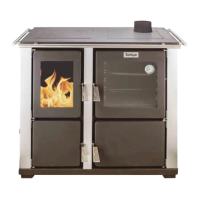

 To Next Page
 General