4
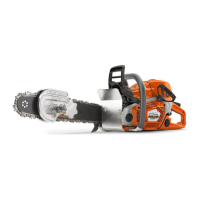
VENTMASTER® FIRE RESCUE CHAINSAW DATA
OPERATING PROCEDURES
PRE-OPERATION
VISUAL INSPECTION
A er receiving and unpacking your saw, be sure to carefully
inspect it for any damage that might have occurred during
shipping. Should you nd any damage: PLEASE NOTIFY
TEMPEST TECHNOLOGY CORP. IMMEDIATELY AT
+1 559.277.7577.
CHAIN TENSION
Always ensure the saw’s chain is tensioned properly before
operation. To tension the chain, follow the directions below.
1. Shut o the engine, set upright and let the chain cool down.
2. Loosen the stud nuts that hold the guide bar onto the
engine.
3. While holding the bar tip UP, adjust the chain tension
screw to the position that allows the (cold) chain to pass
freely around the bar.
NOTE: e chain should NOT hang down more than 1/8”
below the bottom rail of the guidebar.
4. While holding the bar tip UP, tighten the nuts on the studs.
5. Before starting the saw, check the chain tension once again.
If it is not correct, loosen the nuts and repeat the above.
Proper tension will extend the life of the chain and enhance its
cutting performance.
LUBRICATION
Chainsaws require bar and chain lubrication during operation.
Always ensure the correct amount and type of oil is used before
starting your VentMaster® Fire Rescue Saw. Please see engine
manufacturer’s manual for details on proper lubrication.
OPERATION
CHAIN SPEED
It is important to run saw at FULL THROTTLE when entering the
cut, during the cut and exiting the cut (Release throttle only a er
full exit from cut).
FORCING THE CUT
Always let the chain do the work. Do not put extreme pressure on
chain while cutting. Excessive pressure causes the chain to slow
down and can cause carbide tip failure also causing heat damage
to the bar. Slow cutting could indicate chain needs sharpening.
SHEET METAL AND FIBER GLASS
Always use the KIS-40 depth gauge when cutting thin materials
such as sheet metal, aluminum siding or berglass. e depth
gauge can be set to expose 1/4” to 1/2” of the tip of bar and chain
for cutting these materials. ese thin materials will shake and
vibrate when the bar and chain are inserted too deep and can
cause carbide tip failure.
MAINTENANCE
Keep engine clean and tuned properly per the engine manufacturer’s
speci cations to maintain maximum engine speed/performance.
Elements such as a dirty air lter can cause gradual power loss
which can result in carbide chain tip failure.
NOTE: All models listed come equipped with the Raptor Carbide Chain (0.404 Pitch, 0.063 Gauge).
572HD-20-DG .404 TV400-080 20” 5.8 HP, 70.6cc
37.00” x 12.50” x 12.50”
24 lbs.
576HD-20 .404 TV400-083 20” 5.8 HP, 70.6cc
37.00” x 12.50” x 12.50”
21.3 lbs.
576HD-16-DG .404 TV400-081 16” 5.8 HP, 70.6cc
33.00” x 12.50” x 12.50”
23 lbs.
576HD-16 .404 TV400-084 16” 5.8 HP, 70.6cc
33.00” x 12.50” x 12.50”
20.3 lbs.
365HD-20-DG .404 TV400-044 20” 4.9 HP, 71cc
37.00” x 12.50” x 12.75”
23 lbs.
365HD-20 .404 TV400-052 20” 4.9 HP, 71cc
37.00” x 12.50” x 12.75”
22 lbs.
365HD-16-DG .404 TV400-043 16” 4.9 HP, 71cc
33.00” x 12.50” x 12.75”
22 lbs.
365HD-16 .404 TV400-053 16” 4.9 HP, 71cc
33.00” x 12.50” x 12.75”
21 lbs.
Model No. Part No. Bar Engine Dimensions (WxDxH) Weight Depth Gauge


 To Next Page
 Loading...