The DR-7 Direct Reading Ferrograph is a sophisticated instrument designed for analyzing the presence and characteristics of metallic and non-metallic particles in oil samples, providing valuable insights into the wear condition of machinery. This device is particularly useful for monitoring the health of equipment by detecting abnormal wear and potential failures before they become critical.
Function Description:
The DR-7 operates by passing an oil sample through a capillary tube, where magnetic and non-magnetic particles are separated and deposited. The instrument then measures the optical density of these particles at two different locations: a large particle (DL) reading and a small particle (DS) reading. The DL reading quantifies larger particles (typically >5µm), while the DS reading quantifies smaller particles (typically 1-2µm). By comparing these readings, the DR-7 can identify various wear modes, including break-in wear, normal wear, abnormal wear, and oil change. The device also calculates the Severity of Wear Index, Cumulative Plots, Wear Particle Concentration (WPC), and Percentage Large Particle (PLP), offering a comprehensive assessment of the oil's condition.
The DR-7 is designed for ease of use with a Windows 10 IoT operating system and a user-friendly interface. It features a touch screen display that allows operators to navigate through various menus, including RUN DR, CHARTING, BASELINE, CALIBRATION, HELP, and ABOUT. The RUN DR tab is where standard and opaque operations are performed, enabling the user to conduct tests and obtain immediate results. The CHARTING tab allows for plotting DL and DS readings over time, while the BASELINE tab is used for setting and recalculating baseline values for L and S counts. The CALIBRATION tab provides access to optical and end-of-oil sensor calibration procedures, ensuring the accuracy and reliability of the measurements.
Important Technical Specifications:
- Physical Specifications:
- Length (Front to Back): 9.00 in. (22.8 cm)
- Width (Side to Side): 12.00 in. (30.5 cm)
- Height: 19.75 in. (50.2 cm)
- Weight (Instrument Only): 13 lbs. (5.9 kg)
- Power:
- Voltage: 100-240V AC
- Frequency: 50/60 Hz
- Amperage: 1A
- Instrument contains a 1A power fuse located at the power plug inlet.
- Hardware:
- Operating System: Windows 10 IoT
- Memory: 64 GB Flash
- External USB Ports: 2 x USB “A”
- Ethernet Connection: RJ45 cat 5
- RAM: 4 GB DDR2 RAM
- Processor: Intel® Celeron® CPU N2807 @ 1.58 GHz
- Environmental Conditions:
- For indoor use on a solid level surface without movement or vibration.
- Use in a well-ventilated area.
- Room Temperature: 50°F to 85°F (10°C to 29°C)
- Humidity: 5% to 50% non-condensing
- Measurement Range: The digital output has a range of 0 to 190 units. A reading of 100 units corresponds to approximately one-half of the area covered and is the recommended upper limit. Readings greater than 100 indicate a very dark sample, suggesting a need for dilution.
- Dilution Ratios: The DR-7 supports dilution ratios up to 900, allowing for analysis of highly concentrated samples.
Usage Features:
The DR-7 offers several operational modes to suit different analysis needs:
- Standard Operation: This is the primary mode for routine oil sample analysis. It involves preparing the oil sample, loading it into the instrument, and initiating the test. The DR-7 automatically measures the DL and DS values, which are displayed on the screen. The system provides clear prompts and messages throughout the process, guiding the user from sample preparation to result display.
- Opaque Operation: This mode is specifically designed for analyzing opaque oil samples, which may contain high concentrations of carbonaceous material or other dark particles that can interfere with optical sensors. In this mode, the instrument uses two optical sensors to compensate for the opacity, ensuring accurate readings.
- Dilutions: The DR-7 can handle samples requiring dilution. The manual provides detailed instructions on how to prepare diluted samples and how the instrument accounts for the dilution factor in its calculations. This feature is crucial for obtaining accurate readings from highly contaminated oil samples.
- Charting and Baselines: Users can generate graphs of DL and DS readings over time, which helps in identifying trends and monitoring equipment wear. The baseline feature allows for setting and adjusting reference values for L and S counts, providing a benchmark for comparison with current readings.
- Control Numbers: The instrument uses control numbers to track samples and store data. These numbers are essential for organizing and retrieving historical data, which can be exported to a CSV file for further analysis.
Maintenance Features:
Regular maintenance is crucial for ensuring the accuracy and longevity of the DR-7. The manual outlines several key maintenance procedures:
- Sensor Cleaning: This is a critical routine maintenance task. The DR-7's optical sensors can accumulate dirt and oil, which can lead to inaccurate readings. The cleaning process involves removing the sensor cable, loosening the set screw on the optics holder assembly, and gently pulling up on the optics cable to remove the optics. The optics are then cleaned with heptane or isopropyl alcohol and dried. It is important to ensure that the nylon insert is correctly positioned when re-installing the optics block.
- Calibration: The DR-7 requires periodic calibration of its optical and end-of-oil sensors.
- Optical Calibration: This procedure involves inserting an optics calibration tube and using the CALIBRATE button to adjust the light intensity. The instrument provides feedback on the calibration status, indicating when it is complete. The manual also includes a troubleshooting guide for common calibration issues.
- End of Oil Sensor Adjustment: This adjustment ensures the sensor accurately detects when the oil sample has passed through the capillary tube. It involves pressing the END OF OIL button and adjusting the current and new thresholds.
- Software Updates: The DR-7 runs on a Windows 10 IoT operating system, and periodic software updates may be available to improve functionality and address any issues. The manual provides instructions on how to access the Windows Desktop screen for updates and troubleshooting.
- Troubleshooting: The manual includes sections dedicated to troubleshooting common issues, such as incorrect readings, calibration failures, and operational problems. It provides clear steps to diagnose and resolve these issues, often guiding the user to contact Trico support if necessary.
- Consumables and Accessories: The manual lists various consumables and accessories required for the DR-7, including pipette tips, sample vials, diluent oil, precipitator tubes, grease solvent, bottle top dispensers, and calibration tubes. It also specifies the part numbers for easy reordering.
The DR-7 is designed to be a robust and reliable instrument for wear particle analysis, providing essential data for proactive maintenance and extending the lifespan of machinery. Its user-friendly interface, comprehensive features, and detailed maintenance guidelines make it a valuable tool for industrial applications.

 Need help?
 General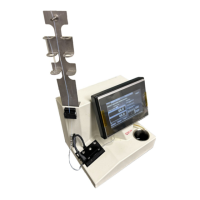

 To Next Page