EasyManua.ls Logo

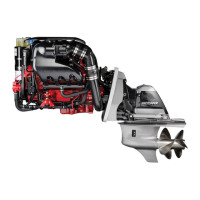
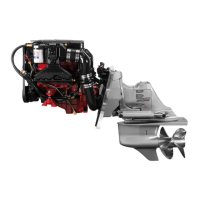
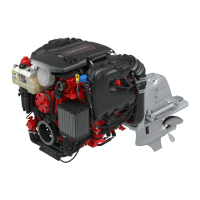
Volvo Penta V8-380 - User Manual

Volvo Penta V8-380
174 pages
Print Icon
To Next Page IconTo Next Page
Loading...
OPERATOR’S MANUAL
V8-380

Questions and Answers

  • C
    Courtney RayAug 5, 2025
    What causes hard starting of Volvo Penta V8-380 Engine when hot?
    • W
      willie68Aug 5, 2025
      If your Volvo Penta Engine is hard to start when it's hot, you should check the fuel quality, ensuring the octane level is correct (E10 max). Inspect the spark plugs, and check for water in the fuel. Evaluate the condition of the battery and cables. Examine the starter motor for overheat damage. Check the ignition system primary circuit, ignition coils, and/or the ignition module. Finally, consider whether the engine is flooded.
  • B
    Bethany HaynesAug 10, 2025
    What to do if my Volvo Penta V8-380 Engine will not crank?
    • K
      Kurt ValdezAug 11, 2025
      If your Volvo Penta Engine won't crank, there are several things to check. First, ensure the control lever is in neutral and the emergency stop switch is properly set. Verify that the battery switch is turned on and that the battery is in good condition (not weak, dead, or sulfated). Inspect the battery cables for loose or corroded connections. Also, check the circuit breakers, fuses, ignition relay, and the ignition switch for any shorts or open circuits. Examine the wiring from the battery to the ignition switch, the starter relay, the starter motor and solenoid, and the starter assist solenoid.
  • E
    Erica SmithAug 14, 2025
    Why is my Volvo Penta Engine overheating?
    • J
      Judith MillerAug 15, 2025
      If your Volvo Penta Engine overheats, start by checking if the drive water intakes are blocked; look for obstructions like seaweed or plastic bags. Make sure the cap on the running engine flush port is securely in place. Inspect the raw water pump impeller for damage or blockage. Also, check the supply pump, circulating pump, and belts, as well as the thermostat. Verify the sending unit operation and wiring circuit, and inspect water supply hoses for loose clamps or holes. Look for air leaks on the suction side and water leaks on the pressure side of the supply pump. Finally, ensure the heat exchanger is free of debris.
  • K
    kingdavidAug 19, 2025
    Why does my Volvo Penta Engine run rough?
    • A
      ashleybooneAug 19, 2025
      If your Volvo Penta Engine runs roughly, several factors could be responsible. Check the idle speed, spark plugs, and fuel pump pressure. Look for water or contaminants in the fuel, or a manifold vacuum leak. Inspect for an air leak on the suction side of the fuel system. Ensure you are using the correct octane fuel, and that you are not using E20 or E85 fuel. Also, check the ignition system secondary circuit, and external fuel filters. Water or contaminants in fuel, or water in cylinders can also cause this issue.
  • G
    gina88Aug 23, 2025
    How to fix hard starting of Volvo Penta V8-380 – Cold Engine?
    • C
      Chase LopezAug 23, 2025
      If your Volvo Penta Engine is hard to start when cold, check the fuel lines for obstructions and the fuel tank for debris. Ensure the fuel filter is clean. Look for water in the fuel and assess the fuel quality for deterioration. Inspect the fuel system for leaks, dirt, or obstructions, and examine the ignition system.
  • E
    Elizabeth NolanAug 28, 2025
    Why is battery voltage low on my Volvo Penta Engine after short storage?
    • S
      Seth BishopAug 28, 2025
      If you experience low battery voltage in your Volvo Penta Engine after short storage, check all battery and starter cable connections to ensure they are clean and tight. Use a fully charged battery to jump start the engine. Recharge the starter battery and check its condition, replacing it if necessary. Ensure all electrical accessories, including the ignition circuit, are turned off. Turn the battery switch off and disconnect the main battery negative cable from the battery.
  • C
    Courtney PrattNov 1, 2025
    What to do if Volvo Penta Engine cranks but will not start?
    • C
      Cheyenne WestNov 1, 2025
      If your Volvo Penta Engine cranks but won't start, begin by checking the primary circuit wiring from the ignition switch to the ignition coil/module, as well as the secondary circuit wiring from the coil to the spark plug. Inspect the spark plugs for proper gap, fouling, or damage. Ensure that the battery voltage is not low. Verify the fuel level and that the fuel shutoff and multiple tank valves are open and operating correctly. Check for a clogged external fuel filter canister, and assess the quantity and condition of the fuel in the boat tank. Confirm the operation and flow capacity of the boat's anti-siphon valve, ensure the fuel tank vent is unrestricted, and verify the fuel tank pick-up screen is clean. Ensure the boat fuel lines have the correct diameter and are unrestricted. Finall...

Summary

Foreword

Models

Details the specific Volvo Penta engine models covered by this manual.

Safety Information

General Safety Information

Provides essential safety precautions for operating and maintaining the engine.

Introduction

Warranty Information

Information regarding Volvo Penta's warranty policy and coverage.

Volvo Penta Dealer Network

Information on how to locate and utilize authorized Volvo Penta dealers for service.

Instruments and Controls

Control Panels

Details on various control panels like Start/Stop, e-Key, and Docking Station.

Gauges and Displays

Information on instrument gauges, optional gauges, alarm displays, and EVC system displays.

Control Functions

Explains the function of various buttons on control panels and their operation.

Optional

Autopilot

Information on the Volvo Penta Autopilot system, its functions, and operation.

Settings

Configuration options for the autopilot system, including modes and parameters.

ACP

Information on the Active Corrosion Protection System (APCS) and its indicators.

Starting

Static Water Line

Explanation of the static water line and its importance before starting the engine.

Before Starting

Pre-start inspection checklist and safety warnings.

Starting the Engine

Procedures for starting the engine, including audible alarms and key operation.

Operation

Alarms and Warnings

Explains various alarms and warning signals for engine and drive status.

Maneuvering and Controls

Guidance on boat maneuvering, using trim controls, levers, and joystick.

Station Handling and Steering

Managing helm stations, steering system operation, and procedures for loss of steering.

Maneuvering with the Joystick

Detailed guide on using the joystick for precise boat maneuvering.

Special Boating Conditions

Procedures for operating the boat in specific conditions like freezing or shallow water.

Engine Shutdown

Before Engine Shutdown

Steps to take before shutting down the engine for safety and proper procedure.

Engine Flush

Instructions for flushing the engine with fresh water after use.

Fault Handling

EVC Diagnostic Function

Overview of the EVC diagnostic system for fault detection and management.

Alarms and Messages

Explanation of different types of alarms and messages displayed by the EVC system.

Fault Code Register

Battery Voltage

Troubleshooting steps for low battery voltage issues.

Check Engine

Guidance for diagnosing and resolving miscellaneous engine faults.

Steering Fault

Troubleshooting for possible steering sensor failures or low oil pressure.

In Case of Emergency

Striking an Underwater Object

Procedures to follow after striking an underwater object, including damage assessment.

Starting Using Auxiliary Batteries

Instructions for starting the engine using auxiliary batteries.

Troubleshooting

Engine Troubleshooting Guides

General guide to troubleshooting engine system malfunctions.

Engine Will Not Crank

Steps to diagnose why the engine will not crank.

Engine Overheats

Steps to diagnose and resolve engine overheating issues.

Maintenance Schedule

Owners Responsibility

Outlines the owner's responsibilities for maintaining the engine and power package.

Scheduled Maintenance

Details on recommended scheduled maintenance procedures and intervals.

Maintenance

Doing Your Own Maintenance and Repairs

Guidance for owners performing their own maintenance and repairs.

Stop the Engine Before Service

Safety procedures to follow before performing any service on the engine.

Lubrication System

Procedures for checking and maintaining engine oil levels and specifications.

Fuel System

Information and warnings related to the fuel system and safe refueling practices.

Engine Fuel Filter Replacement

Step-by-step instructions for replacing the engine fuel filter.

Cooling System

Procedures for checking and replacing the water pump impeller.

Electrical System

Guidelines for battery maintenance and replacement, including safety warnings.

Drive

Procedures for checking the drive unit lubricant and power trim/tilt fluid.

Propeller Replacement

Detailed instructions on how to replace DPS propellers.

Storage

Short Term Storage

Procedures for preparing the boat and engine for short-term storage (up to two months).

Long Term Storage

Procedures for winterizing the engine and drive for long-term storage.

Technical Data

Engine Specifications

Technical details on engine specifications, oil requirements, and lubrication.

Fuel and Cooling Systems

Specifications for fuel requirements, ethanol blends, and coolant types/freeze protection.

Sterndrive and Electrical Systems

Technical data for electrical systems, sterndrives, and their components.

Identification and Compliance

Information on identification numbers, decals, and declaration of conformity.

Operators Manual Order

Volvo Penta V8-380 Specifications

General IconGeneral
BrandVolvo Penta
ModelV8-380
CategoryEngine
LanguageEnglish

Related product manuals