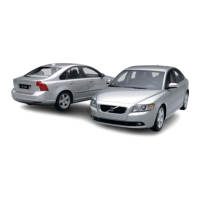
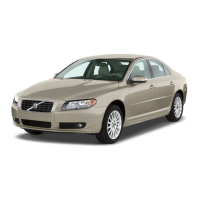
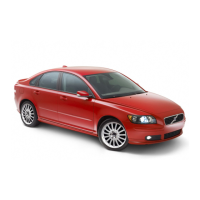
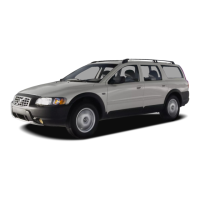
2000 Volvo S & V70
http://new.volvocars.com/ownersdocs/2000/2000_SV70/00sv70_00.htm[4/4/2013 10:21:00 PM]
manuals, indicating the weight and material of individual components. For Volvo, all homogeneous plastic parts
weighing more than 1.7 oz. (50 grams) are marked with international symbols that indicate how the component is to be
sorted for recycling.
In addition to continuous environmental refinement of conventional gasoline-powered internal combustion engines,
Volvo is actively looking at advanced technology alternative-fuel vehicles.
When you drive a Volvo, you become our partner in the work to lessen the car's impact on the environment.
To reduce your vehicle's environmental impact, you can:
· Maintain proper air pressure in your tires. Tests have shown decreased fuel economy with improperly inflated tires
· Follow the recommended maintenance schedule
· Drive at a constant speed
· See an authorized Volvo retailer as soon as possible for inspection if the check engine (malfunction indicator) lamp
illuminates, or stays on after the vehicle has started
· Properly dispose of any vehicle related waste such as used motor oil, used batteries, brake pads, etc.
· When cleaning your car, use Volvo's own car care products, all of which have systematically been adapted to the
environment
For additional information regarding the environmental activities in
which Volvo Cars of North America, Inc. and Volvo Car Corporation are involved, visit our Internet Home Page at:
http://www.volvocars.com
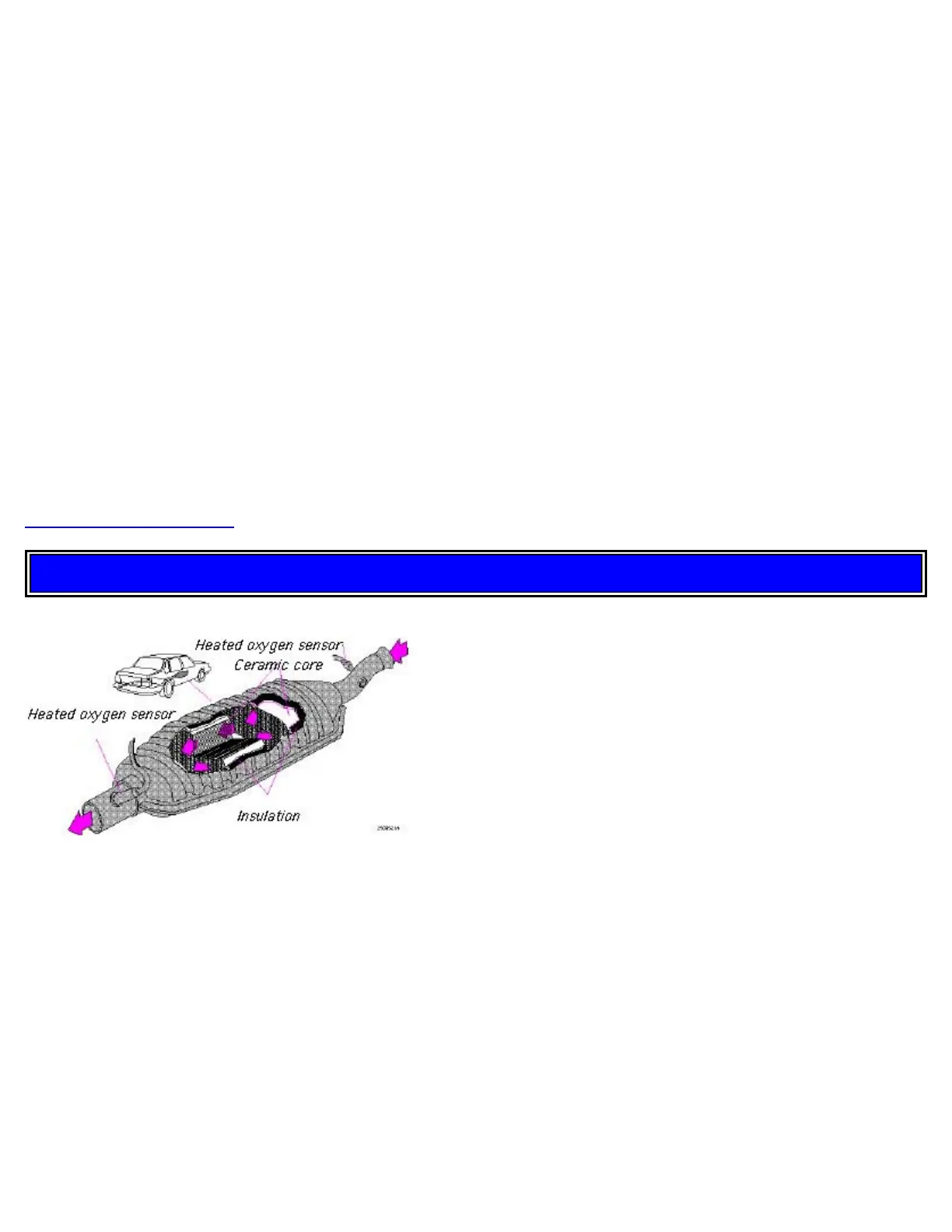
Three-way catalytic converter
Three-way catalytic converter cautions
· Keep your engine properly tuned. Certain engine malfunctions, particularly involving the electrical, fuel or distributor
ignition systems, may cause unusually high three-way catalytic converter temperatures. Do not continue to operate
your vehicle if you detect engine misfire, noticeable loss of power or other unusual operating conditions, such as
engine overheating or backfiring. A properly tuned engine will help avoid malfunctions that could damage the three-
way catalytic converter.
· Do not park your car over combustible materials, such as grass or leaves, which can come into contact with the hot
exhaust system and cause such materials to ignite under certain wind and weather conditions.
· Excessive starter cranking (in excess of one minute), with an intermittently firing or flooded engine, can cause three-
way catalytic converter or exhaust system overheating.
· Remember that tampering or unauthorized modifications to the engine or the vehicle may be illegal and can cause
three-way catalytic converter or exhaust system
overheating. This includes:



 To Next Page