EasyManua.ls Logo

Whirlpool WASHER - User Manual

Whirlpool WASHER
15 pages
Print Icon
To Next Page IconTo Next Page
Loading...
WASHER CYCLE DESCRIPTIONS
This information covers several different models. Your washer may vary from the model shown and may not have all the cycles and
features described. Washer will not agitate or spin with the lid open.
Cycle Selections
Temperature Control
You should select a Wash/Rinse temperature based on the type of
fabric and soils being washed. For best results, use the warmest
wash water safe for fabric. Follow garment label instructions.
Your washer uses automatic temperature control to maintain a
uniform water temperature by regulating incoming hot and cold
water. This helps eliminate undissolved detergent and ensures
consistent cleaning results. The cold wash is regulated at
approximately 24°C by adding small amounts of hot water during
the cold fill. The warm wash is maintained at approximately 38°C.
Load Size or Water Level Control
Adjust water level to load size. Clothes should move freely. To
change to a higher water level after agitation starts, you may turn
knob to desired setting.
On models with a variable Load Size or Water Level control, you
should turn the knob to RESET, then to desired setting.
CYCLES LOAD TYPES DESCRIPTIONS AGITATE/
SPIN SPEEDS
APPROXIMATE
WASH TIMES
COTTONS
Cottons and linens, loads that are
moderately or heavily soiled.
A wash time should be selected
based on the soil level of your load.
You may choose Heavy Duty,
Normal or Light.
High/High 6 - 15 minutes
HEAVY DUTY
Heavily soiled loads. Review detergent use instructions.
You should use twice the amount of
detergent recommended for a
normal wash cycle.
High/High 15 minutes
EVERYDAY
WEAR
Permanent press blends and
synthetic fabrics that are lightly to
moderately soiled.
Features a cool down, rinse and
low-speed final spin to reduce
wrinkling.
High/Low 6 - 10 minutes
WOOLENS
Lightly to moderately soiled
washable woolens and washable
knits.
Features a series of brief agitations
and soaks, followed by a short spin.
Intermittent
Low/Low
6 minutes
DELICATES
Lightly to moderately soiled delicate
items and washable knits.
Features a series of brief agitations
and soaks, followed by a short spin.
Intermittent
Low/Low
4 minutes
®
8558483
© 2003 Whirlpool Corporation.
All rights reserved. ® Registered Trademark/TM Trademark of Whirlpool, U.S.A.
12/03
Printed in U.S.A.

Other manuals for Whirlpool WASHER

Question and Answer IconNeed help?

Do you have a question about the Whirlpool WASHER and is the answer not in the manual?

Summary

Washer Cycle Descriptions

Cottons Cycle

For cottons and linens, moderately or heavily soiled.

Washer Safety

Important Safety Instructions

Crucial warnings to reduce risk of fire, electric shock, or injury.

Washer Use

Troubleshooting

Noisy Washer

Explains common causes and solutions for unusual washer noises.

Leaking Washer

Details checks for water leaks from hoses, seals, and connections.

Washer Stops, Wont Fill, Rinse or Agitate

Lists checks for power, water supply, and cycle control issues.

Washer Wont Drain or Spin

Covers troubleshooting for drainage and spinning problems.

Washer Installation Instructions

Before You Start

Preparation steps before beginning washer installation.

Remove Shipping Strap

Instructions for removing shipping restraints for proper operation.

Connect Drain Hose

Guidance on correctly connecting the drain hose to prevent leaks.

Connect Inlet Hoses

Steps for attaching water inlet hoses to faucets and the washer.

Drain System

Outlines different methods for connecting the washer's drain hose.

Electrical Requirements

Specifies the necessary voltage, amperage, and grounding for the washer.

Level the Washer

Guides on adjusting the washer's feet for stability and quiet operation.

Complete Installation

Final checks and initial test run instructions for the installed washer.

Summary

Washer Cycle Descriptions

Cottons Cycle

For cottons and linens, moderately or heavily soiled.

Washer Safety

Important Safety Instructions

Crucial warnings to reduce risk of fire, electric shock, or injury.

Washer Use

Troubleshooting

Noisy Washer

Explains common causes and solutions for unusual washer noises.

Leaking Washer

Details checks for water leaks from hoses, seals, and connections.

Washer Stops, Wont Fill, Rinse or Agitate

Lists checks for power, water supply, and cycle control issues.

Washer Wont Drain or Spin

Covers troubleshooting for drainage and spinning problems.

Washer Installation Instructions

Before You Start

Preparation steps before beginning washer installation.

Remove Shipping Strap

Instructions for removing shipping restraints for proper operation.

Connect Drain Hose

Guidance on correctly connecting the drain hose to prevent leaks.

Connect Inlet Hoses

Steps for attaching water inlet hoses to faucets and the washer.

Drain System

Outlines different methods for connecting the washer's drain hose.

Electrical Requirements

Specifies the necessary voltage, amperage, and grounding for the washer.

Level the Washer

Guides on adjusting the washer's feet for stability and quiet operation.

Complete Installation

Final checks and initial test run instructions for the installed washer.

Overview

This document describes a Whirlpool washing machine, covering its functions, technical specifications, usage, and maintenance.

Function Description

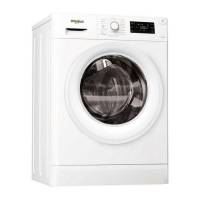
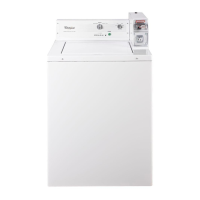
The Whirlpool washing machine is designed to clean various types of laundry using different cycles and temperature settings. It features an agitator system for washing clothes and a spin function for water extraction. The machine is equipped with automatic temperature control to maintain consistent wash water temperatures, which helps in dissolving detergent and achieving effective cleaning. It also includes safety features such as not operating when the lid is open.
Important Technical Specifications

  • Electrical Supply: 240-volt, 50-Hz, AC-only, 8-10-ampere, fused electrical supply is required. A time-delay fuse or circuit breaker is recommended, and a separate circuit for the appliance is advised.
  • Water Heater Setting: A water heater set to deliver 49°C water to the washer is recommended.
  • Water Pressure: Hot and cold water faucets should provide water pressure of 34.5-690 kPa.
  • Drain System: The standpipe drain requires a minimum diameter of 5 cm and a minimum carry-away capacity of 64 L per minute. The top of the standpipe must be at least 99 cm high and no higher than 244 cm from the bottom of the washer. For laundry tub drain systems, the tub needs a minimum 76 L capacity, with the top of the tub at least 99 cm above the floor and no higher than 244 cm from the bottom of the washer. For floor drain systems, a siphon break is required, minimum 71 cm from the bottom of the washer.
  • Load Capacity: The machine supports various load sizes, from small to extra-large, with specific recommendations for different fabric types. For example, "Super Capacity" and "Super Capacity Plus" washers can handle 10 bath towels or 3 double sheets, while "Extra Large Capacity" washers can handle 8 bath towels or 2 double sheets.
  • Weight Support: A sturdy floor is required to support the washer's weight (washer, water, and load) of 143 kgs.
  • Temperature Control: The cold wash is regulated at approximately 24°C, and warm wash is maintained at approximately 38°C.
  • Wash Times:
    • Cottons: 6-15 minutes (High/High agitation/spin speeds)
    • Heavy Duty: 15 minutes (High/High agitation/spin speeds)
    • Everyday Wear: 6-10 minutes (High/Low agitation/spin speeds)
    • Woolens: 6 minutes (Intermittent Low/Low agitation/spin speeds)
    • Delicates: 4 minutes (Intermittent Low/Low agitation/spin speeds)

Usage Features

  • Cycle Selections: The washer offers several cycles:
    • Cottons: For moderately or heavily soiled cottons and linens. Wash time is selected based on soil level (Heavy Duty, Normal, Light).
    • Heavy Duty: For heavily soiled loads, requiring twice the normal detergent amount.
    • Everyday Wear: For lightly to moderately soiled permanent press blends and synthetic fabrics, featuring a cool down, rinse, and low-speed final spin to reduce wrinkling.
    • Woolens: For lightly to moderately soiled washable woolens and knits, with brief agitations and soaks followed by a short spin.
    • Delicates: For lightly to moderately soiled delicate items and washable knits, with brief agitations and soaks followed by a short spin.
  • Temperature Control: Users select Wash/Rinse temperature based on fabric type and soil level. The machine automatically regulates water temperature.
  • Load Size/Water Level Control: The water level should be adjusted to the load size, allowing clothes to move freely. The knob can be turned to a desired setting even after agitation starts. For variable controls, the knob should be turned to RESET first.
  • Detergent and Additives: Detergent should be measured and poured into the washer. Liquid chlorine bleach can be added to a dispenser (if available) or directly into the washer during the wash cycle (5 minutes in). Liquid fabric softener should be diluted and added to the dispenser (if available) or during the final rinse.
  • Loading: Clothes should be dropped loosely and evenly to maintain balance and allow free movement in wash water. Overloading can lead to poor cleaning.
  • Stopping/Restarting: The washer can be stopped by pushing in the Cycle Control knob and restarted by closing the lid (if open) and pulling out the knob.
  • Optional Features: Some models may include an EXTRA RINSE selector for an additional rinse and spin, or an END OF CYCLE SIGNAL selector to alert when the cycle is complete.

Maintenance Features

  • General Cleaning: The exterior can be wiped with a soft, damp cloth. The interior can be cleaned by mixing 250 mL of chlorine bleach and 500 mL of detergent, running it through a complete hot water cycle. Hard water deposits should be removed with washer-safe cleaners.
  • Fabric Softener Dispenser Cleaning: If equipped, the dispenser can be removed by grasping the top, squeezing, and pushing upward with thumbs. Rinse it under warm water and replace.
  • Water Inlet Hoses: Inlet hoses should be replaced after 5 years to reduce failure risk. They should be periodically inspected for bulges, kinks, cuts, wear, or leaks. Replacement dates should be marked on the label.
  • Winterizing (Moving & Storage): If storing or moving in freezing weather, the washer should be winterized. This involves shutting off water faucets, disconnecting and draining inlet hoses, pouring 1 L of R.V.-type antifreeze into the basket, and running a drain and spin cycle for 30 seconds. The washer should then be unplugged.
  • Using Washer Again After Winterizing: To reuse, flush water pipes and hoses, reconnect inlet hoses, turn on water faucets, plug in power, and run a complete cycle with 250 mL of detergent to clean out antifreeze.
  • Vacation/Non-Use Care: If the washer will not be used for an extended period, it should be unplugged and the water supply turned off to prevent accidental flooding.
  • Troubleshooting: The manual provides extensive troubleshooting tips for common issues such as noise, leaks, failure to fill/agitate/drain/spin, wrinkled loads, tangled loads, residue/lint on clothes, gray whites/dingy colors, and garment damage. These tips cover checks for proper installation, load balance, detergent use, water supply, and cycle selection.
  • Replacement Parts: Users are advised to use factory-specified parts for repairs and can contact the Customer Interaction Centre for assistance in locating parts.

Whirlpool WASHER Specifications

General IconGeneral
BrandWhirlpool
ModelWASHER
CategoryWasher
LanguageEnglish

Related product manuals