Need help?
Do you have a question about the Whirlpool WMH31017 and is the answer not in the manual?
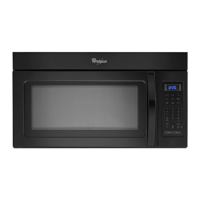
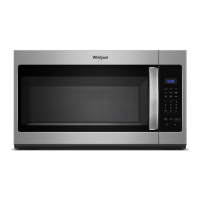
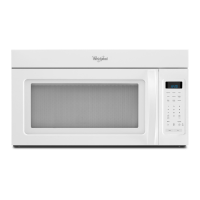
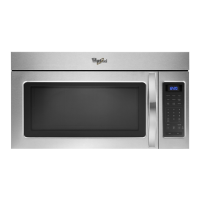
This document outlines the installation and electrical requirements for a Whirlpool Microwave Hood Combination. This appliance is designed to function as both a microwave oven for cooking and reheating food, and a range hood to ventilate cooking odors and smoke from the area above a range or cooktop.
The Whirlpool Microwave Hood Combination serves a dual purpose in the kitchen. Primarily, it operates as a microwave oven, utilizing microwave radiation to rapidly heat and cook various food items. This allows for quick meal preparation, defrosting, and reheating, offering convenience and efficiency in daily culinary tasks. The microwave functionality is typically controlled via a user interface on the front of the appliance, allowing for selection of cooking times, power levels, and specialized functions like defrosting or sensor cooking.
Secondly, the appliance integrates a ventilation system, acting as a range hood. This system is designed to draw air from the cooking surface below, capturing smoke, steam, grease, and cooking odors. The air is then either filtered and recirculated back into the kitchen or vented to the outside, depending on the installation configuration. This helps maintain air quality in the kitchen, preventing the buildup of unpleasant smells and grease residues on surrounding surfaces. The ventilation system usually includes a fan with multiple speed settings and a light to illuminate the cooking surface, enhancing visibility while preparing meals.
The microwave component offers a range of features aimed at simplifying food preparation. Users can typically set precise cooking times, allowing for flexibility in preparing different types of dishes. Multiple power levels are often available, enabling users to adjust the intensity of microwave heating, which is particularly useful for delicate items or for simmering. Defrosting functions are commonly included, often with options for weight-based or time-based defrosting, ensuring food is thawed evenly and efficiently. Some models may also incorporate sensor cooking technology, which automatically adjusts cooking time and power based on the moisture and humidity levels detected in the food, leading to optimized results without constant monitoring. The interior of the microwave is designed for easy cleaning, often featuring non-stick or easy-to-wipe surfaces. The door mechanism is typically designed for smooth operation, providing access to the cooking cavity.
The hood functionality provides effective ventilation for the cooking area. The fan system is designed to efficiently remove airborne contaminants generated during cooking. Multiple fan speeds allow users to adjust the ventilation power according to the intensity of cooking, from light simmering to high-heat searing. A lower fan speed can be used for quieter operation during less intensive cooking, while higher speeds are available for more demanding tasks. Integrated lighting, usually halogen or LED, illuminates the cooktop below, providing clear visibility for cooking. This lighting can often be controlled independently of the fan, allowing it to be used as ambient kitchen lighting when not actively cooking. The filters, which are crucial for capturing grease and odors, are typically removable for cleaning or replacement, ensuring the ventilation system maintains its effectiveness over time. The overall design of the appliance aims to blend seamlessly with various kitchen decors, offering a sleek and integrated look above the range or cooktop.
Maintaining the Whirlpool Microwave Hood Combination involves several straightforward tasks to ensure its optimal performance and longevity. For the microwave oven, regular cleaning of the interior cavity is essential. Spills and splatters should be wiped up promptly with a damp cloth and mild detergent to prevent food residues from hardening and becoming more difficult to remove. The exterior surfaces can also be cleaned with a soft cloth and mild cleaner to maintain its appearance. It is important to avoid abrasive cleaners or scouring pads, as these can scratch the surfaces.
For the hood component, the primary maintenance involves the grease filters. These filters are designed to trap grease particles from cooking vapors and require periodic cleaning to prevent clogging and maintain airflow efficiency. Typically, these filters are easily removable and can be washed by hand with hot, soapy water or, in many cases, are dishwasher-safe. The frequency of cleaning depends on cooking habits, but generally, they should be cleaned monthly or more often if cooking frequently with high-grease foods. In addition to grease filters, some models may include charcoal filters for odor removal, especially in recirculating installations. These charcoal filters are usually not washable and need to be replaced periodically, as indicated by the manufacturer's recommendations or when odor removal effectiveness diminishes. The light bulbs for the cooktop illumination may also need occasional replacement. Access to these bulbs is usually designed to be simple, allowing users to replace them without special tools. Regular inspection of the appliance for any unusual noises or operational issues is also a good practice, allowing for early detection of potential problems.
 General
| Capacity | 1.7 cu. ft. |
|---|---|
| Power | 1000 Watts |
| Control Type | Electronic Touch |
| Cavity Material | Painted |
| Cooking Presets | Yes |
| Color | Stainless Steel |
| Sensor Cooking | Yes |
| Child Lock | Yes |
| Warranty | 1 Year Limited |
| Type | Over-the-Range |