EasyManua.ls Logo

Wyse P25 - User Manual

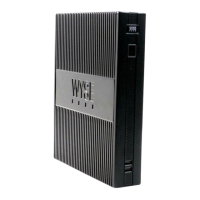
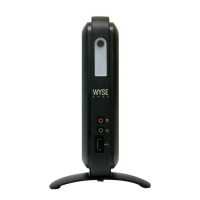
Wyse P25
2 pages
Print Icon
To Next Page IconTo Next Page
Loading...
Quick-Start Guide
Wyse
®
P Class Zero Clients, Model PxN
Product: P25
See accompanying documents in the shipping carton for License Agreement and Warranty information. To find the latest Quick-Start Guide, go to
http://www.wyse.com/manuals
and click on the name of your zero client.
Important: A printed copy of the Wyse Technology End User License Agreement is included in the shipping box and provided for your reference only.
The license at http://www.wyse.com/license
as of the purchase date is the controlling licensing agreement. By copying, using, or installing the software or
the product, you agree to be bound by those terms.
Important: If you use Wyse Device Manager Server software for managing your Wyse zero clients, download the latest version to ensure
compatibility at http://support.wyse.com/selfservice.html
.
Caution: Improper connection, mounting, or use of this product could result in component failure or undesired interference. Read Caution
Statements before setting up and operating the zero client.
The Wyse P25 zero client is for use with PC-over-IP
®
(PCoIP
®
)
protocol environments. The zero client connects to a host server
which is PCoIP capable.
Before setting up and using the zero client, you must have a properly
installed PCoIP environment that it can access. This guide will help
you to set up the zero client and establish a remote connection to your
host server using PCoIP
technology, enabling you to use applications
and desktop peripherals as if you were using them locally.
Note: PCoIP technology is designed to deliver a user desktop from a
centralized host server across standard IP networks – including full
DVI dual monitor video, complete USB 2.0 compatibility, and full-
duplex high-definition audio.
Before setting up and operating the zero client, read all Caution
Statements. Refer to the figures and proceed as follows:
1. Place the zero client on a desk; make sure the monitor and the
zero client are turned off and disconnected from AC power.
2. Make all desired connections. The monitor, keyboard with mouse,
and Ethernet network are required. Additional connections of
peripheral devices may be made at this time.
3. Connect the power adapter to the zero client power input before
connecting to a 100-240V AC, 50-60 Hz electrical outlet.
4. Press zero client Multifunction power button to apply power. The
power button will light blue; wait for the monitor to display the On
Screen Display (OSD).
LED indicators* include:
* For detailed LED indicators information, go to the Wyse Knowledge Base at
http://www.wyse.com/kb
and search for solution 22671.
Note: If the monitor does not show the OSD, check all connectors
and make sure the monitor and zero client are turned on.
Note: For more information refer to the user and administrators
guides, or contact your Wyse sales representative.
Initial Environment Setup
Setting Up Your Zero Client
Status LED Bi-color light for connected /not connected (green/
amber)
Power LED Single light for power on/off (blue)
Components may vary based on model and location.
1
Warning: Adjustment of the volume control or the equalizer beyond the center position may
increase the earphones/headphones output voltage and sound pressure level.
2
Not all USB devices are supported; check with Wyse or your Wyse representative to find out if a
particular device is supported on your zero client.
Features
1 Combination audio/microphone jack
1
8 DVI-I port
2 USB 2.0 port (2)
2
9 Product information tab
3 Line out/Speaker out
1
10 Network port, 10/100/1000Base-T
(or) SFP/Mini-GBIC slot
4 Status LED 11 +12VDC Power adapter input
5 Multifunction power button/LED 12 Kensington lock slot
6 USB 2.0 port (2)
2
13 Horizontal stand/VESA mount
7 DisplayPort connector
14 PS/2 mouse port located on
keyboard

Question and Answer IconNeed help?

Do you have a question about the Wyse P25 and is the answer not in the manual?

Summary

Initial Environment Setup

Product Features Overview

Setting Up Your Zero Client

LED Indicators

Explains the status and power LED colors for connection and power status.

Additional Notes and Configuration

Monitor Types Compatibility

Compatibility with analog VGA and digital HDMI monitors and adapter info.

IP Address Configuration

Default DHCP mode, fallback static IP, and manual assignment steps.

Power Button and LED Functions

Details on turning the zero client on/off and disconnecting sessions.

Zero Client Configuration

Steps to configure DHCP or Static IP addressing via On Screen Display.

Establishing a PCoIP Connection

Safety and Operation Cautions

Setup and Connection Safety

Cautions regarding connecting power and components to the device.

Venting and Device Care

Guidelines for proper mounting, airflow, and avoiding overheating.

Power Source Safety

Use of approved power adapters and warnings about damage.

Additional Resources and Support

Wyse Reference Guides

Location of user, administrator, and related documentation.

Wyse Service and Support

Availability of software images for installation.

Wyse Device Manager Information

Information on Wyse remote management software.

Environmental Compliance

Information on Wyse RoHS and WEEE compliance.

Wyse E-Recycling Program

Information on recycling Wyse products in the US.

Wyse Warranty Registration

Link to register products for warranty.

Overview

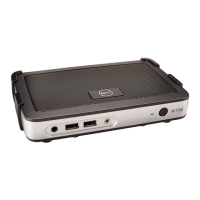
The Wyse P25 is a zero client designed for use in PC-over-IP (PCoIP) protocol environments, connecting to a PCoIP-capable host server. Its primary function is to deliver a user desktop from a centralized host server across standard IP networks, supporting full DVI dual monitor video, complete USB 2.0 compatibility, and full-duplex high-definition audio. This allows users to access applications and desktop peripherals as if they were using them locally.

Technical Specifications:

The device features a range of ports and indicators for connectivity and user interaction. These include:

  • Audio: One combination audio/microphone jack and one line out/speaker out port.
  • USB: Four USB 2.0 ports (two on the front, two on the rear). Note that not all USB devices are supported; users should check with Wyse for compatibility.
  • Video: One DisplayPort connector and one DVI-I port. The zero client is compatible with analog VGA and digital HDMI monitors, with approved adapters available from Wyse. Audio for HDMI is not supported.
  • Network: One network port, supporting 10/100/1000Base-T, or an SFP/Mini-GBIC slot.
  • Power: A +12VDC power adapter input.
  • Security: A Kensington lock slot.
  • Mounting: A horizontal stand/VESA mount.
  • Indicators: A Status LED (bi-color for connected/not connected: green/amber) and a Multifunction power button/LED (single light for power on/off: blue).

The zero client is designed to operate with a 100-240V AC, 50-60 Hz electrical outlet via its power adapter.

Usage Features:

  • Setup: Before use, the zero client requires a properly installed PCoIP environment. The setup process involves placing the device on a desk, ensuring the monitor and zero client are off and disconnected from AC power, making all necessary connections (monitor, keyboard with mouse, Ethernet network, and any peripheral devices), connecting the power adapter, and then pressing the Multifunction power button to power on the device.
  • Power Control: The Multifunction power button turns the zero client on when pressed, and turns it off when pressed and held until the light turns off. If the zero client is connected in a session, pressing the button disconnects it from the host server.
  • IP Addressing: By default, the zero client is set to DHCP client mode. If a DHCP server is not available, it will fall back to a static IP address mode (192.168.1.101) after approximately 2 minutes. Users can configure the zero client to use DHCP or Static IP addressing via the On Screen Display (OSD) under Options > Configuration > Network tab. This page may require a password (default: Administrator) to unlock.
  • PCoIP Connection: To establish a PCoIP connection, power on the zero client and wait for the "Connect" command button on the user screen to become active. Using the mouse, click "Connect." The device will discover available hosts on the network. Once the list appears, select the desired host and click "OK." A successful connection is indicated by the Status LED turning green. If the "Connect" button is inactive or hosts are not discovered, users should check the network connection and ensure the Ethernet switch or router is on.
  • Monitor Compatibility: In addition to DVI and DisplayPort, the zero client supports analog VGA and digital HDMI monitors with approved adapters.
  • LED Indicators: The Status LED provides visual feedback on network connectivity (green for connected, amber for not connected). The Multifunction power button's blue LED indicates power on/off status. More detailed LED information is available in the Wyse Knowledge Base.

Maintenance Features:

  • Care and Venting: The device should be mounted only as shown in the instructions or with Wyse-approved mounting accessory kits to prevent restricted airflow and heat damage. Sufficient space must be allowed around the device for ventilation, and it should not be placed in enclosures or have its vent outlets blocked. Environmental operating specifications are available in the product's Fact Sheet on the Wyse website.
  • Power Sources: Only the power adapter supplied with the device or a Wyse-approved equivalent should be used for regulatory compliance and to prevent damage. Using an improper power adapter can damage the device and is not covered by warranty.
  • Shutdown Procedure: When turning off the device, a complete shutdown via the power button should be performed. Disconnecting the AC power cord, DC power cord, or shutting off power at a circuit breaker is not recommended for turning off the device.
  • Surge Protection: Surge protectors are recommended for electrical devices in areas prone to lightning. During lightning storms, equipment should be properly shut down and unplugged from AC power.
  • Connection Precautions: Do not connect to AC power until all other connections (including the power adapter) are made, as connecting/disconnecting components while receiving AC power can cause power surges and damage. Connectors should not be forced into sockets; ensure correct orientation to avoid damage.
  • Documentation and Support: Wyse provides various resources for additional information, including user and administrator guides, software image upgrades, information on Wyse Device Manager, compliance with RoHS and WEEE, e-recycling information, and warranty registration. The standard warranty for the product is three years from the date of purchase.

Wyse P25 Specifications

General IconGeneral
BrandWyse
ModelP25
CategoryServer
LanguageEnglish

Related product manuals