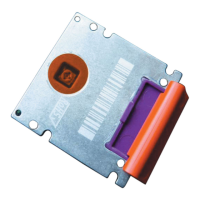
This document provides essential guidelines for the daily maintenance of Xaar 1003 printheads, applicable also to Xaar 1001 and 1002 models. These printheads are precision, high-quality products, and proper care is crucial to ensure optimal performance and longevity. The manual emphasizes that printheads are valuable assets and should be treated with care, highlighting the importance of protecting them from dirt, debris, light, and static damage.
Function Description:
The Xaar 1003 printhead is a core component in industrial printing systems, responsible for precisely jetting ink onto various substrates. Its high-quality design ensures accurate and consistent ink delivery, which is fundamental for achieving high-resolution and reliable print results. The printhead's performance directly impacts the quality and efficiency of the printing process.
Usage Features:
The document outlines several critical usage features and precautions:
- Handling Precautions: Users are explicitly warned "Do NOT touch the sensitive parts of the printhead." This is crucial to prevent damage to the delicate components that control ink ejection.
- Static Protection: "Always protect the printhead from static damage" is a key instruction, indicating that static electricity can severely impair or destroy the printhead's electronics.
- Personal Protective Equipment (PPE): The instruction to "wear gloves at ALL times" during handling underscores the need to prevent contamination from skin oils, dirt, and to provide an additional layer of static protection.
- Fragility: The printhead is depicted with a "FRAGILE" label and a "$$$" symbol, emphasizing its delicate nature and high cost, reinforcing the need for careful handling.
- Manufacturer's Procedures: A recurring theme is to "Always refer to the machine manufacturer's maintenance procedures." This ensures that users follow specific guidelines tailored to their particular printing system, which may have unique requirements for printhead integration and operation.
Maintenance Features:
Daily and periodic maintenance are extensively covered to ensure the printhead's optimal condition:
Daily/Shift Start Maintenance (Visual Inspection):
- Purpose: At the start of each day or shift, a visual inspection is required to check for "contamination or debris" on the printhead. This proactive step helps identify potential issues before they can affect print quality or cause damage.
- Procedure: The visual inspection involves carefully examining the printhead, particularly the nozzle plate, for any foreign particles or dried ink.
- Outcome: If the printhead is clean, it is "Ready to Print." If contamination is found, the cleaning procedure (Step 2) must be followed.
Cleaning Contamination from the Printhead:
- Purpose: To remove any contamination that could obstruct nozzles or degrade print quality.
- Materials: "Cleanroom standard lint-free cloths and swabs" are specified, highlighting the need for materials that will not introduce new contaminants or leave fibers behind.
- Pre-cleaning Step: "Machine purge ink through printhead" is the initial step. This flushes the nozzles with fresh ink, helping to dislodge any internal blockages or dried ink.
- Wiping Technique: This is a critical aspect of printhead maintenance:
- Correct Method: "Wipe ONLY once in ONE direction." This technique ensures that contaminants are swept away from the nozzle plate without being redeposited or pushed into the nozzles. The illustration shows a single, unidirectional stroke.
- Incorrect Method: "Do not wipe, MULTIPLE times in BOTH directions." This method is explicitly forbidden as it can spread contaminants, push them into the nozzles, or even damage the delicate nozzle plate. The illustration clearly shows bidirectional wiping with multiple strokes crossed out.
- Disposal: Used cleaning materials should be disposed of properly, likely in a designated waste bin, to maintain a clean working environment.
End of Day/Shift or Extended Shutdown Maintenance (Capping):
- Purpose: To protect the printheads from "dirt, debris and light" when they are not in use for several hours or at the end of a day/shift.
- Procedure: "Use the machine capping station." Capping stations are designed to create a sealed environment around the printhead nozzles, preventing ink from drying out and protecting them from airborne contaminants and UV light exposure, which can degrade ink and printhead components.
Restart After Longer Shutdowns:
- Procedure: "After longer periods of shutdown, follow the manufacturer's procedures for restart and carry out the cleaning procedures in Step 2." This ensures that the printhead is properly re-initialized and cleaned before resuming operation, especially if ink has been stagnant for an extended period.
General Maintenance Principles:
- Value Recognition: The phrase "YOUR PRINTHEADS ARE VALUABLE TREAT THEM WITH CARE" serves as a constant reminder of the significant investment printheads represent and the importance of diligent maintenance.
- Proactive Approach: The emphasis on daily visual inspections and proper capping highlights a proactive maintenance strategy to prevent issues rather than reacting to them.
- Cleanliness: The requirement for cleanroom-standard materials and careful wiping techniques underscores the paramount importance of maintaining a pristine environment around the printhead nozzles.
In summary, this manual provides a comprehensive guide to the daily and periodic maintenance of Xaar 1003 printheads, focusing on careful handling, regular inspection, precise cleaning techniques, and protective storage to ensure optimal performance, longevity, and print quality. Adherence to these guidelines, in conjunction with the specific machine manufacturer's procedures, is essential for any user of these advanced printhead technologies.

 Need help?
 General

 To Next Page