Type A bushing 3
External line connections
Connections from a bus to the top end of a bushing should
be made securely to avoid loosening in service which would
cause damage to bushing gaskets. There should be sufficient
flexibility in the connections to prevent mechanical stresses
from expansion, contraction, and wind sway. Long spans of
unsupported conductor should be avoided.
Terminal connectors should be of ample size to keep the
bushing terminal temperature below 70 °C at rated current. The
use of even more generously sized connectors is recommended
to minimize bushing overheating during possible overloads. Do
not loosen the top terminals when installing the line terminal
connectors.
Fixed conductor bushing
A cover or side-wall bushing up to 3,000 amperes, with a fixed
conductor, is not sealed at the bottom (inboard) end. Insulating
oil from the transformer is permitted to enter the bushing when
it is installed and operating. Threaded clamping members at the
bottom end are assembled to seal the top (outboard) end of the
bushing with a gasket and to load the porcelain in compression.
Fixed conductor bushings rated 3,000 amperes or more
have epoxy bonded supports and gasket-to-porcelain seals.
Sometimes a clamping ring is attached with epoxy and then
bolted to a mounting support plate. Thin washers or shims are
used between the clamping ring and the support plate. These
are installed at the factory.
Do not alter the position of the washers; otherwise, leaks may
occur. Bushings with fixed conductors should be bolted to
the transformer prior to making bottom and top end terminal
connections.
!Caution
Before applying vacuum to a transformer, be certain there
is sufficient slack in the external line connections to the
bushing to allow for bushing movement caused by flexing
of the transformer cover and/or walls. Failure to relieve this
stress at the bushing connection may result in damage to
the bushing seals and loss of oil. Loss of oil will cause an
electrical failure.
Maintenance
Porcelain is the major insulation in Type A bushings and requires
little maintenance other than cleaning when operated under
very dirty conditions. Inspection should be made regularly
for cracked porcelains which could contribute to oil leakage,
especially on self-filling, side-wall mounted bushings or on
bushings used with transformers equipped with an oil expansion
tank above the cover level.
Nameplate data
Nameplate data is of special importance in answering questions
about bushings. All requests will be expedited if the factory is
furnished with the serial number, the functional style number,
version number, and the year of manufacture as stamped on the
bushing nameplate.
At a minimum, the factory should be provided with the serial
number of the bushing in question.
Field repair
Any repair of Type A bushings should be done in the factory
because of the danger of contamination to the insulation when
the seal is broken. In addition, the very high vacuum and
clamping pressure require the use of equipment not usually
available in the field. Any damage to a bushing, which might
make repair either desirable or necessary, should be reported to
the factory.
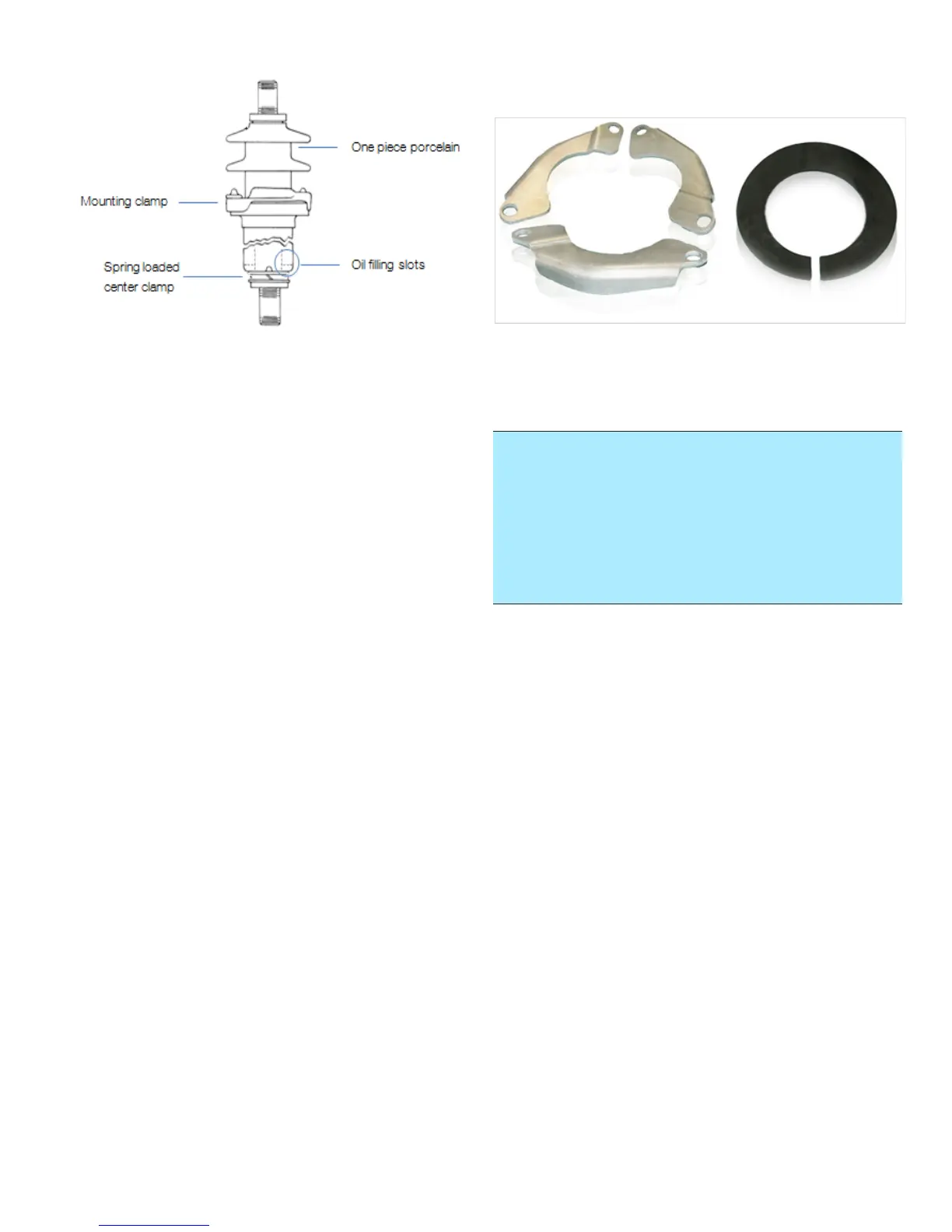
Figure 2 - Type A bushing with fixed conductor (2,000 amperes)
Figure 3 - Typical mounting clamp and cushion for bushings rated <2500A


 To Next Page
 Loading...