Need help?
Do you have a question about the Allied 4AC17 and is the answer not in the manual?
This manual describes the installation, operation, and maintenance of a Single Stage Air Conditioner, specifically model 4AC17. This unit is designed to provide an ozone-friendly HFC refrigerant system, utilizing R-410A refrigerant. It includes a filter drier for optimal performance and a matching indoor unit for complete system functionality.
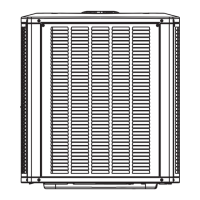
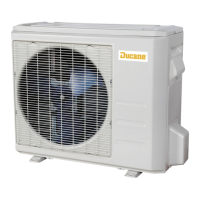
The 4AC17 Single Stage Air Conditioner is a residential cooling system that uses R-410A refrigerant to transfer heat from indoors to outdoors, thereby cooling the indoor environment. The system comprises an outdoor unit (condenser fan, compressor, dual capacitor, crankcase heater, and various controls) and an indoor unit (evaporator coil, blower, and thermostat). The outdoor unit houses the compressor and condenser coil, which are responsible for compressing the refrigerant and releasing heat to the outside air. The indoor unit contains the evaporator coil, which absorbs heat from the indoor air, and a blower that circulates the conditioned air throughout the living space. The system operates by circulating refrigerant through a closed loop, undergoing phase changes (evaporation and condensation) to facilitate heat transfer.
The 4AC17 model is designed for single-stage operation. It uses R-410A refrigerant, an ozone-friendly hydrofluorocarbon. The unit requires a 208-230V, 60Hz, single-phase power supply. The minimum circuit ampacity and maximum overcurrent protection size are specified in the unit's rating plate. The liquid line set diameter is typically 3/8 inch, with adjustments for longer line lengths. The system includes a filter drier to protect against moisture and contaminants. The outdoor unit features a dual capacitor for the compressor and outdoor fan motor, and a crankcase heater to prevent liquid refrigerant slugging during start-up. The control circuit operates on 24V AC.
Installation: The installation process involves connecting the indoor and outdoor units with refrigerant lines and electrical wiring. Proper line set sizing, evacuation, and charging are critical for optimal performance. The manual provides detailed instructions for brazing procedures, leak testing, and evacuation using a micron gauge. It emphasizes the importance of using water-saturated cloths during brazing to prevent damage to service valves. The system must be charged with R-410A refrigerant by weight, and proper superheat and subcooling measurements are necessary for accurate charging.
Thermostat Operation: The unit is controlled by a wall-mounted thermostat, which allows users to set the desired temperature and operating mode (cooling, heating if applicable, or fan only). The thermostat provides various configurations for different manufacturers.
Safety Features: The manual highlights several safety warnings, including the risk of electrical shock, personal injury, and property damage. It advises against performing any maintenance or removing panels without first turning off the power. Brazing procedures require proper ventilation and personal protective equipment to avoid inhaling hazardous fumes. Over-evacuation can cause damage to the compressor.
Regular Maintenance: To ensure optimal performance and longevity, regular maintenance is recommended. This includes:
Condenser Coils: Condenser coils should be kept clean from leaves, dirt, dust, and other debris. Chemical cleaning may be necessary for heavily soiled coils. Sharp edges on condenser coils require caution during cleaning.
Painted Surfaces: The unit's painted surfaces should be waxed annually to protect against weathering and corrosion.
Indoor Coil: If the indoor coil has been operated with a clean filter in place, it should require minimal cleaning. If cleaning is needed, a qualified dealer should be called.
Condensate Drain: The condensate drain should be checked at least monthly for free flow of drainage and cleaned if necessary.
System Information: Users should never operate the system without a clean air filter properly installed. Return air and supply air registers should be free from restrictions to allow full airflow. If the system does not work, troubleshooting steps include checking the thermostat setting, circuit breakers/fuses, and inspecting the outdoor unit for obstructions. For any issues that cannot be resolved, a qualified service dealer should be contacted. Warranty replacement parts are available through a qualified distribution location.
 General
| Brand | Allied |
|---|---|
| Model | 4AC17 |
| Category | Air Conditioner |
| Language | English |


 To Next Page