EasyManua.ls Logo

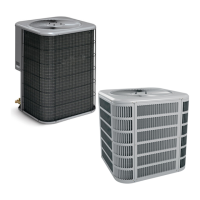
Allied 4HP17L - User Manual

Allied 4HP17L
21 pages
Print Icon
To Next Page IconTo Next Page
Loading...
Page 1 of 21508270-01 Issue 2246
(P) 508270-01
*P508270-01*
Manufactured By
Allied Air Enterprises LLC
A Lennox International, Inc. Company
215 Metropolitan Drive
West Columbia, SC 29170
Table of Contents
General ........................................................................2
Installation ...................................................................2
Refrigeration Piping .....................................................4
Electrical – Circuit Sizing and Wire Routing ..............11
Start-Up Procedure....................................................12
Operation ...................................................................13
Control Board Diagnostics and Test Mode ................15
Maintenance ..............................................................18
Homeowner Information ............................................18
Failure to follow instructions will cause damage to the
unit.
This unit is equipped with an aluminum coil. Aluminum
coils may be damaged by exposure to solutions with
a pH below 5 or above 9. The aluminum coil should
be cleaned using potable water at a moderate pressure
(less than 50psi). If the coil cannot be cleaned using
water alone, it is recommended to use a coil cleaner
with a pH in the range of 5 to 9. The coil must be rinsed
thoroughly after cleaning.
In coastal areas, the coil should be cleaned with potable
water several times per year to avoid corrosive buildup
(salt).
NOTICE
This manual must be left with the homeowner for future reference.
This is a safety alert symbol and should never be ignored. When you see this symbol on labels or in manuals, be alert to
the potential for personal injury or death.
Installation and servicing of air conditioning equipment
can be hazardous due to internal refrigerant pressure
and live electrical components. Only trained and
qualied service personnel should install or service
this equipment. Installation and service performed by
unqualied persons can result in property damage,
personal injury, or death.
WARNING
Sharp metal edges can cause injury. When installing
the unit, use care to avoid sharp edges.
WARNING
ELECTRICAL SHOCK HAZARD!
Risk of electrical shock. Disconnect all
remote power supplies before installing
or servicing any portion of the system.
Failure to disconnect power supplies
can result in property damage, personal
injury, or death.
WARNING
INSTALLATION INSTRUCTIONS
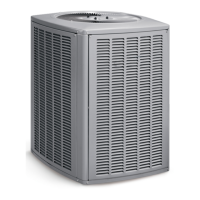
4HP17L Single Stage Heat Pump
Question and Answer IconNeed help?

Do you have a question about the Allied 4HP17L and is the answer not in the manual?

Summary

General Safety Warnings

Safety Alert Symbol Usage

Explains the purpose of the safety alert symbol and its importance for preventing injury or death.

Installation and Servicing Hazards

Warns of dangers from refrigerant pressure and electrical components during installation and servicing.

Electrical Shock Hazard

Emphasizes disconnecting all power supplies before working on the system to prevent shock.

Physical Injury Hazards

Cautions about sharp metal edges and the need for care during installation to avoid cuts.

General Installation Guidelines

Safety Precautions

Mandates following safety codes, wearing protective gear, and handling refrigerants with caution.

Unit Location and Foundation

Guidance on optimal unit placement, sound absorption, and solid level pad requirements.

Elevation and Clearances

Requirements for elevating the unit and maintaining proper clearances for airflow, wiring, and service.

Refrigeration Piping

Tube Sizing and Routing

Recommendations for selecting and running liquid and vapor refrigerant tubes, avoiding bends and contact.

Flushing Line Sets

Procedure for flushing existing R-22 systems before installing R-410A units to ensure warranty compliance.

Expansion Valve Installation

Instructions for installing the indoor expansion valve, including sensing bulb and equalizer line connections.

Brazing Procedures

Detailed steps for preparing, brazing, and cooling refrigerant lines using nitrogen and water-soaked cloths.

Leak Test and Evacuation

Leak Testing Procedure

Steps to connect gauges, pressurize with nitrogen, and check for leaks using a leak detector.

System Evacuation

Procedure for evacuating the system using a vacuum pump to reach specified micron levels, including purging and charging.

Electrical and Control Wiring

Circuit Sizing and Wire Routing

Guidelines for selecting proper wire size, circuit breakers, and routing high/low voltage wiring according to codes.

Thermostat Installation and Wiring

Recommendations for thermostat placement and typical control wiring connections to the indoor unit.

System Start-Up and Operation

Start-Up Checks and Procedure

Pre-start checklist including voltage, wiring, and thermostat settings before energizing the system.

Refrigerant Charge Adjustment

Methods for adjusting refrigerant charge based on line set length and operating conditions for optimal performance.

Operation Modes and Controls

Explanation of normal, defrost, and calibration modes, including pressure switch functions and lockout features.

Defrost System Management

Details on defrost cycles, sensors, termination, and diagnostic codes for system performance.

Maintenance Requirements

Regular Inspection Schedule

Recommended periodic checks by a qualified technician for system components and performance.

Air Filter and Coil Cleaning

Instructions for cleaning or replacing air filters and maintaining clean indoor/outdoor coils for efficiency.

Unit Finish Protection

Recommendations for waxing the unit's finish and protecting it from mineral deposits or corrosive elements.

Heat Pump Usage and Troubleshooting

Heat Pump Operating Characteristics

Understanding heat pump operation, frost formation, defrost cycles, and auxiliary heat usage.

Extended Power Outage Procedure

Steps for restoring power after an outage, including thermostat settings for temporary heat and system stabilization.

Troubleshooting Before Service

Steps for common issues before calling for service, such as thermostat settings and disconnects.

Summary

General Safety Warnings

Safety Alert Symbol Usage

Explains the purpose of the safety alert symbol and its importance for preventing injury or death.

Installation and Servicing Hazards

Warns of dangers from refrigerant pressure and electrical components during installation and servicing.

Electrical Shock Hazard

Emphasizes disconnecting all power supplies before working on the system to prevent shock.

Physical Injury Hazards

Cautions about sharp metal edges and the need for care during installation to avoid cuts.

General Installation Guidelines

Safety Precautions

Mandates following safety codes, wearing protective gear, and handling refrigerants with caution.

Unit Location and Foundation

Guidance on optimal unit placement, sound absorption, and solid level pad requirements.

Elevation and Clearances

Requirements for elevating the unit and maintaining proper clearances for airflow, wiring, and service.

Refrigeration Piping

Tube Sizing and Routing

Recommendations for selecting and running liquid and vapor refrigerant tubes, avoiding bends and contact.

Flushing Line Sets

Procedure for flushing existing R-22 systems before installing R-410A units to ensure warranty compliance.

Expansion Valve Installation

Instructions for installing the indoor expansion valve, including sensing bulb and equalizer line connections.

Brazing Procedures

Detailed steps for preparing, brazing, and cooling refrigerant lines using nitrogen and water-soaked cloths.

Leak Test and Evacuation

Leak Testing Procedure

Steps to connect gauges, pressurize with nitrogen, and check for leaks using a leak detector.

System Evacuation

Procedure for evacuating the system using a vacuum pump to reach specified micron levels, including purging and charging.

Electrical and Control Wiring

Circuit Sizing and Wire Routing

Guidelines for selecting proper wire size, circuit breakers, and routing high/low voltage wiring according to codes.

Thermostat Installation and Wiring

Recommendations for thermostat placement and typical control wiring connections to the indoor unit.

System Start-Up and Operation

Start-Up Checks and Procedure

Pre-start checklist including voltage, wiring, and thermostat settings before energizing the system.

Refrigerant Charge Adjustment

Methods for adjusting refrigerant charge based on line set length and operating conditions for optimal performance.

Operation Modes and Controls

Explanation of normal, defrost, and calibration modes, including pressure switch functions and lockout features.

Defrost System Management

Details on defrost cycles, sensors, termination, and diagnostic codes for system performance.

Maintenance Requirements

Regular Inspection Schedule

Recommended periodic checks by a qualified technician for system components and performance.

Air Filter and Coil Cleaning

Instructions for cleaning or replacing air filters and maintaining clean indoor/outdoor coils for efficiency.

Unit Finish Protection

Recommendations for waxing the unit's finish and protecting it from mineral deposits or corrosive elements.

Heat Pump Usage and Troubleshooting

Heat Pump Operating Characteristics

Understanding heat pump operation, frost formation, defrost cycles, and auxiliary heat usage.

Extended Power Outage Procedure

Steps for restoring power after an outage, including thermostat settings for temporary heat and system stabilization.

Troubleshooting Before Service

Steps for common issues before calling for service, such as thermostat settings and disconnects.

Allied 4HP17L Specifications

General IconGeneral
Model Number4HP17L
CategoryHeat Pump
SEER17
RefrigerantR-410A
Power Supply208/230V, 1 Phase, 60Hz
HSPF9.0

Related product manuals