28
Target Readout
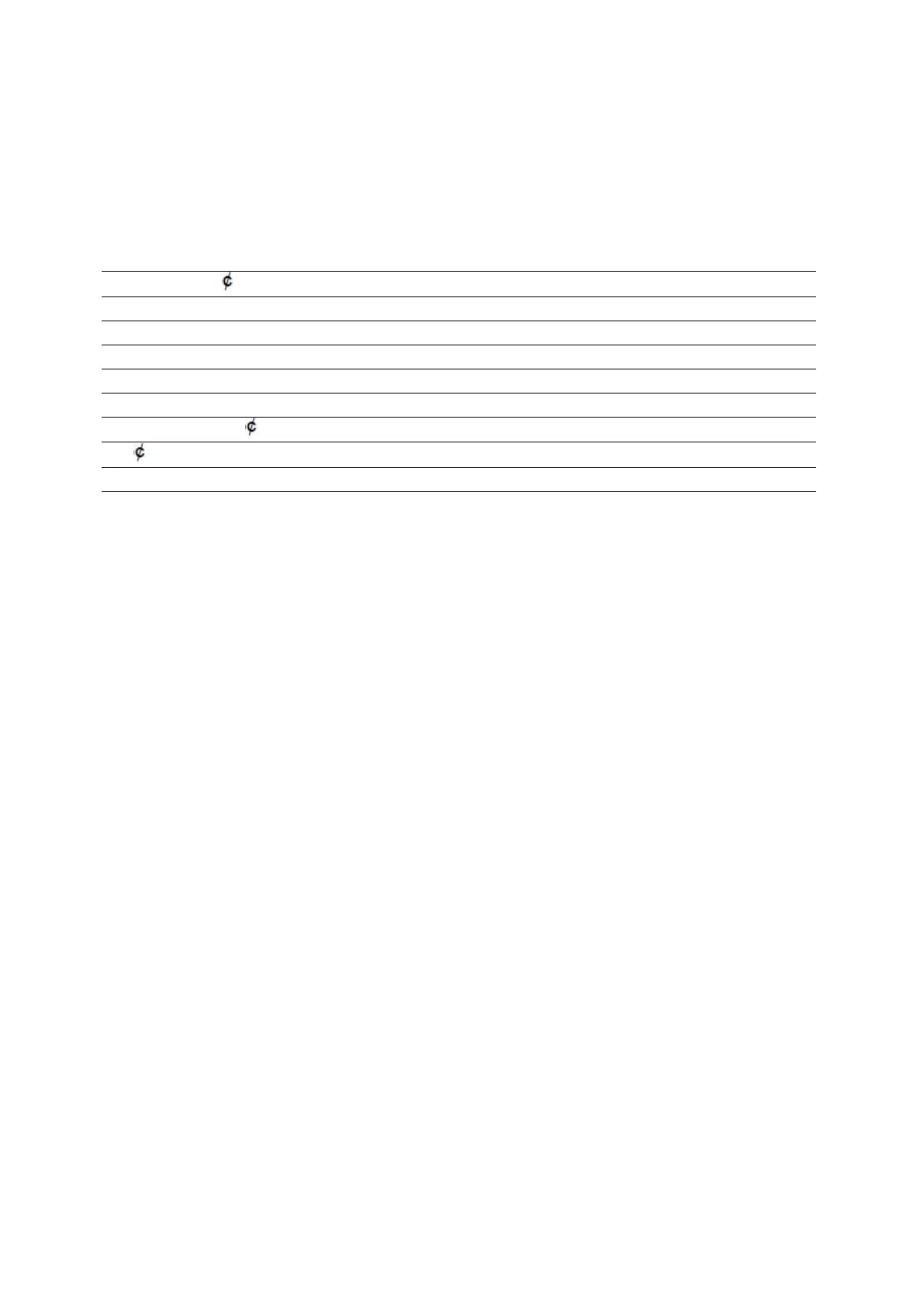
The table below lists some common approximate target values. With experience in the
field, you will recognize many types of metal objects by their numeric value.
Zinc penny (dated after 1982)
U.S. quarter (25 Chin), clad
Typically 85
CAUTION: The target indicators are visual references. Many other types of metal can
also be represented by a given Target-ID.
Gold Prospecting
In the United States, gold is found in many places in the western states, Alaska, and in a
few localities in the Appalachians. The old saying “Gold is where you find it,” means that
to find gold, you should look in areas where the yellow metal is known to be present.
Hillsides are the best areas for gold prospecting using a metal detector, because
hillsides cannot be cleaned out by panning and dredging the way streams can. Also, gold
on hillsides, not far from its source vein, tends to be larger, and hence more readily
detected, than alluvial (placer) gold which tends to get pounded to pieces and worn
away as it rolls along the streambed with gravel during floods. Gold is valuable because
it is a scarce commodity. Even in a good gold producing area, you will often spend an
entire day without finding any gold. Meanwhile you will dig bits and pieces of other
metal – birdshot, shells and bullets from hunting and target practise, bits of rusted
barbed wire, chips off shovels and other mining tools, rusted tin cans, etc. Hot rocks –
rocks containing concentrations of iron oxides that sound like metal when you pass over
them – are also a nuisance in many gold areas. Discrimination is usually ineffective
because the loss of sensitivity resulting from discrimination is enough to cause those
little nuggets to vanish. If you have gone many hours without finding gold and are
wondering if there is something wrong with your metal detector or how you are using it,
the most important clue is this: if you are digging tiny pieces of trash metal, then if gold
were present you would have found small gold pieces too!


 To Next Page