EasyManua.ls Logo

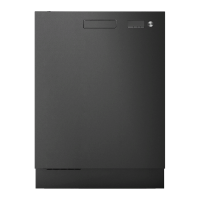
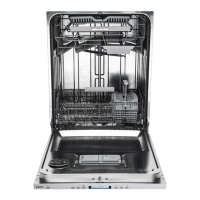
Asko DBI243IB - User Manual

Asko DBI243IB
28 pages
Print Icon
To Next Page IconTo Next Page
Loading...
Dishwasher DBI243IBOPERATING INSTRUCTIONS
EN

Questions and Answers

  • E
    Eugene JohnsonAug 18, 2025
    Why won't my Asko DBI243IB start?
    • H
      hughesbrentAug 19, 2025
      If your Asko dishwasher isn't starting, make sure you've pressed and held the Start/Stop button until the display reads "Program started". Also, check that the door is fully closed, the water tap is on, and the dishwasher is properly plugged into the wall socket. A tripped fuse/circuit breaker could also be the culprit. If you've added dishes mid-cycle, simply close the door and wait for the dishwasher to resume. Check for overflows or leaks. If a whirring sound is present, turn off the water tap, pull out the plug and call the service department. Finally, ensure the Delayed Start option isn't active, or cancel it by pressing and holding Start/Stop for three seconds.
  • J
    Jason StewartAug 21, 2025
    How to improve drying in my Asko DBI243IB?
    • A
      allen14Aug 21, 2025
      If your Asko dishwasher leaves dishes not dry enough, activating the Extra Dry option may help. Ensure the dishwasher is fully loaded, as a full load optimizes drying. Also, check the rinse aid level and increase the dosage if it's too low. Finally, consider opening the door slightly once the program has finished to improve drying.
  • L
    leachchristopherAug 23, 2025
    Why are dishes not clean after using my Asko dishwasher?
    • L
      lozanojamesAug 23, 2025
      If your Asko dishwasher isn't cleaning dishes properly, start by checking that the spray arms can rotate freely and are not blocked by dishes. Clean the spray arms if the holes or bearings are blocked. Select a longer, more suitable dishwashing program. Ensure correct detergent dosage based on your water hardness; too much or too little detergent can affect results. Avoid using old detergent, and load dishes correctly, ensuring that large bowls don't cover porcelain and tall glasses aren't placed in basket corners. Make sure dishes are placed to sit steady, and check that the filters are correctly fitted and the drainage pump stop is in place.
  • Y
    ybaileyAug 26, 2025
    What to do if water remains in my Asko DBI243IB Dishwasher?
    • V
      Valerie RobertsAug 26, 2025
      If water remains in your Asko dishwasher, begin by cleaning the coarse and fine filters, as blocked filters are a common cause. Ensure the filters are correctly fitted, with the handle locked in the stop position pointing towards the back. Next, check for debris in the drainage pump and clean it if necessary. Verify the drainage pump stop is in place. Inspect the drainage hose for kinks or blockages, ensuring it's free from sharp bends and that the connection to the sink unit's water trap has an inner diameter of at least 14 mm.
  • J
    Jeanette WolfAug 28, 2025
    Why does my Asko DBI243IB Dishwasher smell bad?
    • J
      Jason ArmstrongAug 28, 2025
      If your Asko dishwasher has a bad odor, clean around the seals and in corners with a washing-up brush and a low-foaming cleaner to remove any dirt. If you've been using low-temperature programs for an extended period, run a program with a higher temperature once or twice a month.
  • M
    Melissa MartinezAug 30, 2025
    Why are there spots or films on the dishes after using my Asko dishwasher?
    • M
      Melissa SawyerAug 30, 2025
      If your Asko dishwasher has spots or films on the dishes, the rinse aid dosage setting might be incorrect. Also, too high a temperature or too much detergent can cause etching on crystal. Wash crystal at a low temperature and with a conservative amount of detergent and contact the detergent manufacturer.
  • O
    Oscar OrtizSep 1, 2025
    Why does my Asko dishwasher leave a sticky white/blue film on the dishes?
    • R
      Robert GriffinSep 2, 2025
      If your Asko dishwasher has a sticky white/blue film on the dishes, it is likely that the rinse aid dosage setting is too high. Reduce the dosage. If you have very soft water, you may want to dilute the rinse aid 50:50 with water.
  • E
    emily01Sep 4, 2025
    How to remove spots left after washing in my Asko DBI243IB Dishwasher?
    • N
      Nicolas ManningSep 4, 2025
      If your Asko dishwasher leaves spots after washing, particularly from lipstick or tea, try using a detergent with a bleaching agent.
  • J
    Joshua NortonSep 6, 2025
    What to do if I cannot close the door of my Asko DBI243IB Dishwasher?
    • B
      Becky CarsonSep 6, 2025
      If your Asko dishwasher door won't close, check that the baskets are correctly positioned horizontally. Also, make sure that the dishes are not blocking the baskets from sliding properly into place.
  • R
    Rebecca ThorntonSep 8, 2025
    Why are the buttons on my Asko DBI243IB not reacting?
    • K
      Kaitlyn HernandezSep 8, 2025
      If the buttons on your Asko dishwasher aren't responding, wait a moment and try again, especially if you've just opened the door. If that doesn't work, check if the child lock (button lock) is activated. Clean the buttons with a dry or slightly damp cloth, if they are dirty.

Summary

Your dishwasher

Safety instructions

General safety precautions

Essential safety rules for operating the dishwasher, including handling detergent.

Warnings and precautions

Specific warnings regarding electrical safety, handling detergents, and child safety.

Loading the dishwasher

Add detergent

Starting the dishwasher

Starting the program

Steps to initiate the selected wash cycle.

Program management

Settings

Care and cleaning

Door, Tub, and Pump Maintenance

Troubleshooting

Error codes and display faults

Explanations for error codes like F10, F11, F12, etc.

Common operational problems

Solutions for issues like the dishwasher not starting or buttons not responding.

Dish cleaning and noise issues

Poor cleaning and spots

Causes and fixes for dishes not being clean or having spots.

Water and drying issues

Water retention and odors

Solutions for water remaining in the dishwasher and bad odors.

Drying performance

Tips to improve drying results when dishes are not dry enough.

Installation

Installation safety and preparation

Safety precautions and initial checks before installation.

Built-in and freestanding setup

Guidelines for different installation types (built-in, freestanding).

Adjusting height and sliding into place

Adjusting feet and positioning

How to adjust the dishwasher's feet for proper height and leveling.

Drainage and Water Connections

Drainage hose setup

Connecting the drainage hose to the sink or floor drain.

Water supply connections

Connecting to cold and hot water supply lines.

Electrical connection requirements

Specifications for connecting the dishwasher to the power supply.

Screwing and Kick Panel Installation

Overview

This document provides operating instructions for the ASKO Dishwasher DBI243IB.

Function Description

The ASKO Dishwasher DBI243IB is designed for household and similar applications, offering various programs and settings to ensure effective dishwashing and drying results. It features an overflow protection system that pumps out water and turns off the supply if the water level exceeds normal. The dishwasher is equipped with an integrated anti-siphon device to prevent water from being emptied during the wash cycle. It also includes a child lock (Kid Safe™) to prevent unintended operation.

Important Technical Specifications

  • Number of place settings: 14
  • Height: 819-872 mm
  • Width: 596 mm
  • Depth: 559 mm
  • Weight: 45 kg (can vary due to different specifications)
  • Water pressure: 0.03-1.0 MPa
  • Electrical connection: See compliance plate
  • Rated power: See compliance plate
  • Australian standard: AS/NZS 2007
  • Dishwashing programs: Eco (standard cleaning cycle for normally dirty dishes), Heavy, Time program, Rinse & hold, Hygiene, Quick, Intensive.
  • Program time (Eco): 2 hours 35 minutes (cold water connection, approx. 20 °C)
  • Energy consumption (Eco): 0.7 kWh (cold water), 0.4 kWh (hot water, approx. 60 °C)
  • Water consumption (Eco): 12.7 liters
  • Test method for noise measurement: IEC 60704-2-3
  • Drainage hose internal diameter: Minimum 14 mm
  • Maximum drainage hose extension: 2.5 m (total length not to exceed 4.5 m)
  • Maximum hot water supply temperature: 70 °C

Usage Features

Getting Started: To begin, open the door and press the main power switch. The first time the dishwasher is switched on, "Welcome to your ASKO. First time set-up." will appear, prompting users to configure basic settings like language and rinse aid level.

Program Selection: Users can select from various programs using the PROG navigation button, tailored to different levels of dirtiness and types of dishes:

  • Eco: For normally soiled loads, designed for optimal water and energy saving.
  • Heavy: For normally soiled loads.
  • Time program: Adapts to a specified running or finish time, with options for slightly dirty (0:15-0:45), normally dirty (1:00-1:30), and very dirty (2:00-2:30) dishes.
  • Rinse & hold: For rinsing dishes while waiting for a full load.
  • Hygiene: Designed for strict hygiene demands.
  • Quick: A short program for slightly soiled dishes (not for burnt food).
  • Intensive: For very dirty dishes like pans and casserole dishes.

Program Modes: Available modes vary by program and can be selected using the program mode selector:

  • Speed mode: Shortens program time but increases energy consumption.
  • Night mode: Lowers noise level but extends program time.

Options: Additional options can be selected using the option button:

  • Extra Dry: Increases final rinse temperature and extends drying cycle for improved results, with a slight increase in energy consumption.
  • Delayed Start: Delays program start by 1-24 hours.

Detergent and Rinse Aid: The dishwasher has separate compartments for prewash and main wash detergent. Detergent dosage should follow packaging instructions and water hardness. Dishwasher tablets are not recommended for short programs (under 75 minutes). Rinse aid improves drying results and dishwashing for glassware. The rinse aid dispenser can be adjusted from 0 (Off) to 5 (High dosage). For water hardness above 10-12 °dH, rinse aid with citric acid is recommended.

Loading the Dishwasher: Dishes should be scraped clean of large food particles before loading. All dirty surfaces should face inwards and downwards, and dishes should not be stacked. Hollow items like cups should be angled to allow water to run off. Small items should be placed in the cutlery basket. The upper basket holds glasses, cups, bowls, side plates, and saucers, with wine glasses on the wine glass shelf. The lower basket holds plates, serving dishes, pots, and cutlery. The cutlery basket is best placed in the middle front for optimal performance from the Power Zone Cutlery™ spray nozzle. Foldable tines allow for washing larger items like pots and pans.

Drying Results: For best drying, fully load the dishwasher, angle hollow dishes, top up rinse aid or increase its dosage, activate Extra Dry, activate High temperature setting, open the door slightly after the program ends, and allow dishes to cool before unloading.

Stopping/Changing a Program: To change a program after starting, press and hold Start/Stop for five seconds. To add more dishes, open the door; the dishwasher will pause automatically.

Maintenance Features

Filters: The dishwasher has a coarse filter and a fine filter. The coarse filter traps larger food particles and should be emptied when necessary. The fine filter is automatically rinsed during each wash but should be cleaned periodically. To clean, turn the handle anticlockwise, lift the filter, separate the coarse and fine filters, clean, and refit in reverse order, ensuring proper sealing and locking the handle in place.

Spray Arms: Spray arm holes and bearings can become blocked. Debris can be removed using a pin. The spray arms can be removed for cleaning: pull the upper spray arm straight up after removing the upper basket, and pull the lower spray arm straight up.

Door and Door Seal: Regularly clean the sides of the door and the door seal with a damp cloth.

Front Panel: Keep buttons clean and grease-free with a dry or slightly damp cloth. Turn off the dishwasher before cleaning buttons to avoid accidental activation.

Dishwasher Tub: The stainless steel tub is kept clean through normal use.

Limescale Deposits: For hard water, limescale can build up. To remove, run the Intensive program with two tablespoons of citric acid in the detergent compartment (without dishes). Special dishwasher cleaners are also available.

Drainage Pump: If water remains after a program, the drainage pump may be blocked. To clear it, turn off and unplug the machine, remove filters, scoop out water, remove the colored stop in the bottom drain, turn the pump wheel by hand to remove items, then refit the stop and filters.

Inlet Hose Filter: If the water supply contains small particles, the outer filter on the inlet hose can become blocked, causing a "Water inlet fault." To clean, turn off and unplug the machine, turn off the water tap, unscrew the inlet hose, remove and clean the outer filter, refit the filter and gasket, screw the hose back, plug in, and turn on the water tap, checking for watertight connections.

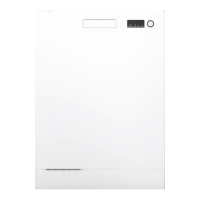
Asko DBI243IB Specifications

General IconGeneral
BrandAsko
ModelDBI243IB
CategoryDishwasher
LanguageEnglish

Related product manuals