
 Need help?
Do you have a question about the Autel EVO Nano Series and is the answer not in the manual?
Explanation of symbols and indicators used in the manual.
List of documents provided for optimal user experience.
Instructions for downloading and installing the Autel Sky mobile application.
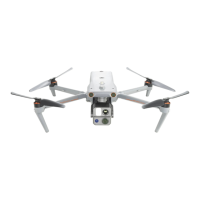
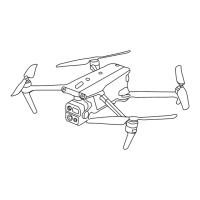
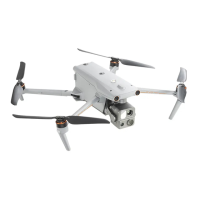
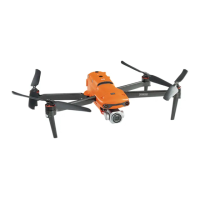
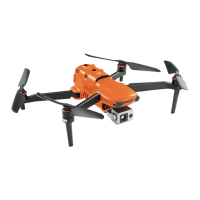
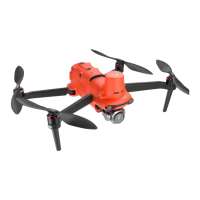
Detailed identification and description of aircraft components.
Explanation of the LED indicators on the aircraft for status.
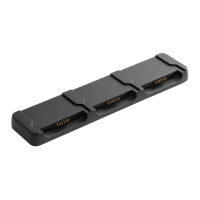
Information on the aircraft battery specifications and charging.
How to check battery level and understand its indicators.
Steps to safely remove the aircraft battery.
Procedure for charging the aircraft battery.
Protective functions to prolong battery life.
Important safety precautions for using the aircraft battery.
Guidelines for safely storing and transporting the battery.
Proper disposal methods for the aircraft battery.
Overview of the gimbal and camera system.
Description of the 3-axis PTZ gimbal and its operating range.
Description of the camera sensors, lenses, and shooting modes.
Instructions for using the Micro SD card for storage.
Information about the aircraft propellers.
Step-by-step guide to installing the propellers.
Step-by-step guide to disassembling the propellers.
Overview of the aircraft's intelligent flight control system modules.
Explanation of different flight modes available on the aircraft.
Details of the standard flight mode.
Details of the sport flight mode.
Details of the smooth flight mode.
Features for intelligent flight operations like auto return and fail-safe.
How to activate and use the auto-return function.
Explanation of the fail-safe function and its triggers.
Features related to aircraft landing.
How landing protection works.
How precise landing is achieved.
Procedure for calibrating the aircraft's compass.
Overview of the binocular vision system for obstacle detection.
Safety precautions for using the vision system.
Identification and description of remote controller components.
How to operate and charge the remote controller.
Instructions for powering the remote controller on and off.
Procedure for charging the remote controller.
Explanation of different control modes for the aircraft.
Description of control mode 1.
Description of control mode 2.
Description of control mode 3.
How to control camera functions using the remote controller.
Steps to calibrate the remote controller.
Procedures for pairing the remote controller with the aircraft.
First method for remote controller pairing.
Second method for remote controller pairing.
How to achieve optimal communication range with the aircraft.
Steps to activate the EVO Nano series device.
Detailed steps for device activation.
Overview of the Autel Sky App interface.
Description of the app's home page and its sections.
Functionality of the album section for managing media.
Accessing tutorials and guides in the skill center.
Managing personal account, logs, and device settings.
Explanation of the camera interface elements.
Returning to the app's homepage.
Display of the current flight mode.
Information on aircraft status and warnings.
Display of image transmission and GPS signal strength.
Indicating the remote controller's battery status.
Indicating the aircraft's battery status.
Estimation of remaining flight time.
Status of obstacle avoidance system.
Accessing various system settings like safety and advanced options.
Safety settings including novice mode, home point, and flight restrictions.
Control settings for units, stick modes, and calibration.
Camera shooting settings and assist functions.
Settings for image transmission quality.
Information about the device and app versions.
Adjusting specific shooting parameters.
Adjusting the zoom factor.
Using the button to trigger camera functions.
Accessing the album.
Selecting various shooting modes like photo, video, quick shot, portrait, pano, hyperlapse, pro.
Display of aircraft position, orientation, and status.
Using the map interface for navigation and location services.
Display of gimbal pitch angle.
Instructions for initiating takeoff or landing.
Detailed camera functions.
Downloading photos and videos from the aircraft.
Using automated shooting modes for cinematic shots.
Using portrait mode for subject-focused photography.
Essential guidelines for safe aircraft operation.
Recommendations for suitable flight environments.
Pre-flight checks to ensure readiness and safety.
Important considerations during flight.
Guidelines for storing and maintaining the aircraft.
Steps to prepare the aircraft and controller for flight.
Instructions for preparing the aircraft and remote controller batteries.
How to charge the aircraft battery.
How to charge the remote controller.
Preparing the remote controller, including connecting a mobile device.
Steps to connect a mobile device to the remote controller.
Preparing the aircraft, including extending arms.
Steps to extend the aircraft's arms and prepare it for flight.
Powering on the aircraft.
Pairing the aircraft and remote controller.
Detailed instructions for operating the aircraft during flight.
Fundamental steps for basic aircraft flight.
Methods for taking off the aircraft.
Performing a manual takeoff.
Performing an automatic takeoff.
Methods for landing the aircraft.
Performing a manual landing.
Performing an automatic landing.
Understanding and adhering to flight restrictions.
Categories of restricted flight areas.
Restrictions on flight height and distance.
How to download and install firmware updates.
Two methods for updating firmware.
Guidelines for storing and maintaining the aircraft.
Details of the product warranty and its scope.
Conditions covered under the warranty service.
Information on how to contact customer support.
Contact details for technical assistance.
Information on sending equipment for repair and required details.
 General
| Aircraft Type | Quadcopter |
|---|---|
| Maximum Takeoff Weight | 249 g |
| Battery Capacity | 2250 mAh |
| Weight | 249 g |
| Video Resolution | 4K |
| Transmission Range | 10 km |
| Obstacle Avoidance | Yes |
| GNSS | GPS + GLONASS |
| Gimbal | 3-axis mechanical |
| Remote Controller Operating Frequency | 2.4 GHz / 5.8 GHz |
| Max Transmission Distance | 10 km |
| Max Ascent Speed | 4 m/s |
| Max Descent Speed | 3 m/s |



 To Next Page
