Need help?
Do you have a question about the Avaya B179 SIP and is the answer not in the manual?
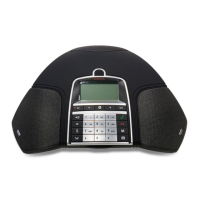
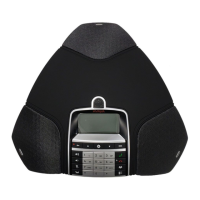
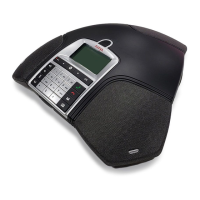
Provides a detailed overview of the Avaya B179 SIP Conference Phone's physical components, including speaker, microphone, keypad, and ports.
Details the functions of various LEDs on the phone, indicating call status, mute, and other operational states.
Explains the information displayed on the screen when the phone is not in use, such as date, time, and registration status.
Guides users on navigating phone menus, selecting options, and using control buttons.
Provides instructions for physically connecting the Avaya B179 Conference Phone to the network and power source.
Details the procedures for obtaining a network address using DHCP or configuring a static IP address for the phone.
Covers essential phone preferences including profiles, language, ring level, key tone, and audio equalizer settings.
Explains SIP account registration, network settings, NAT traversal, transport protocols, and media codec configurations.
Details the configuration steps for integrating Avaya B179 with LDAP servers for external phone books.
Outlines the methods for upgrading the Avaya B179 phone's firmware via web interface or SD card.
Describes how to perform a factory reset or hard system recovery to restore default settings.
Explains using device management servers for bulk configuration and firmware updates.
Guides on importing and exporting phone book entries and conference call groups.
Lists detailed technical specifications, including size, weight, connectivity, and supported protocols.
Provides guidance on using security certificates for TLS/SIPS authentication with the phone.
 General
| Type | Conference Phone |
|---|---|
| Connectivity Technology | Wired |
| Microphone Range | 360 degrees |
| Microphone Pickup Range | up to 20 feet |
| Number of Lines | 6 |
| Speakerphone | Yes |
| Power over Ethernet (PoE) | Yes |
| Bluetooth | No |
| Display | LCD |
| Power Source | PoE or AC adapter |
| USB Port | Yes |
| Supported Codecs | G.711, G.722, G.729 |
| Connectivity | Ethernet, USB |
| Ethernet Ports | 2 |

 To Next Page