EasyManua.ls Logo

Barbecook Spring 300 - User Manual

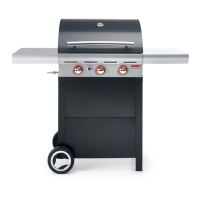
Barbecook Spring 300
346 pages
Print Icon
To Next Page IconTo Next Page
Loading...
cover_manual_SPRING.pdf 1 9/07/14 17:12
!gas_spring_standard.book Page 1 Tuesday, July 29, 2014 2:49 PM

Table of Contents

Questions and Answers

  • J
    Jon FordAug 13, 2025
    Why does my Barbecook Spring 300 have excessive heat and flare-ups?
    • R
      rickyblackAug 13, 2025
      Excessive heat and flare-ups on your Barbecook Grill can occur if the food is too fatty, there's a blockage in the fat drain hole, or the temperature is too high. To resolve this, trim excess fat from the food or set burners to a low position. Clean the fat drain hole, bowl, and burners. You may also need to set the burners to a lower temperature or grill food indirectly.
  • T
    Tony DouglasAug 17, 2025
    How to fix not enough heat on Barbecook Spring 300 Grill?
    • B
      Brandon RamosAug 17, 2025
      If your Barbecook Grill isn't producing enough heat, it could be due to several reasons: the gas supply might not be open, the venturis may not be placed correctly over the gas valve openings, the burner openings could be blocked, the gas cylinder might be empty, or the pressure regulator isn't connected correctly. To fix this, open the gas supply, place the venturis over the gas valve openings, clean or replace the burner openings, replace the gas cylinder, and reconnect the pressure regulator.
  • C
    Cody BrownAug 20, 2025
    What to do if flames higher than edge of bowl on Barbecook Grill?
    • K
      kevincarpenterAug 20, 2025
      If the flames on your Barbecook Grill are higher than the edge of the bowl, it could be due to wind, a nearly empty gas cylinder, or fat in the bowl or on the burners. To solve this, position the grill with its rear side facing the wind, replace the gas cylinder if it's low, and clean the bowl and burners.
  • J
    Jessica JacksonAug 25, 2025
    How to stop flash-backs on Barbecook Grill?
    • K
      kevin00Aug 25, 2025
      If you're experiencing flash-backs (flames outside venturis/at control knobs) on your Barbecook Grill, it's likely due to blocked burners or venturis. To resolve this, close the gas supply, set the burners to OFF, let the appliance cool down, and then clean the burners and venturis.
  • J
    jamesannAug 28, 2025
    Why are the flames yellow on my Barbecook Spring 300?
    • K
      Kimberly McgrathAug 28, 2025
      Yellow flames on your Barbecook Grill can be caused by blocked burners or venturis, salt on the burners, or the appliance being connected to butane. To fix this, clean the burners and venturis, clean the burners to remove any salt, and connect the appliance to propane using an appropriate pressure regulator.
  • T
    Taylor MorrisSep 1, 2025
    What to do if Barbecook Grill has incomplete flame?
    • S
      Susan SaundersSep 1, 2025
      An incomplete flame on your Barbecook Grill is likely caused by a burner that is blocked, pierced, or rusted. You should clean or replace the burner to resolve this issue.
  • J
    joshuaclarkSep 5, 2025
    How to distribute heat evenly on Barbecook Grill?
    • E
      erinpettySep 5, 2025
      To ensure even heat distribution on your Barbecook Grill surface, preheat the appliance.
  • G
    Gerald GreenSep 8, 2025
    Why does pressure regulator hum on Barbecook Grill?
    • L
      Laura CarrollSep 9, 2025
      A humming pressure regulator on your Barbecook Grill is not a hazard or defect. It's likely due to hot weather or a new, full gas cylinder, and it should stop automatically after a while.

Summary

Register Your Appliance

About This Manual

Important Safety Instructions

Read and Follow Instructions

Emphasizes careful reading and adherence to all instructions for safe operation.

Be Cautious with Gas

Provides essential precautions and safety tips for handling gas cylinders and connections.

Select an Appropriate Location

Details requirements for safe outdoor placement, ventilation, and distance from structures.

Use Your Common Sense

General guidance on safe usage, including supervision, handling hot parts, and avoiding flammable materials.

Recurrent Concepts

Venturis

Explanation of venturi tubes, their function in mixing gas with air for proper ignition.

Burner Hoods

Describes burner hoods, their protective function, and heat distribution properties.

Enamel

Information on the enamel coating, its benefits, and care to prevent chipping.

Flare-ups

Defines flare-ups and their common causes, such as dripping fat.

Assembling the Appliance

Assembly Safety Instructions

Safety warnings and responsibilities related to appliance assembly and potential damages.

Steps to Assemble the Appliance

Outlines the necessary tools and general procedure for assembling the appliance.

Connecting Gas to the Appliance

Cylinder, Hose, and Regulator Requirements

Details on required gas cylinders, hoses, and regulators for safe appliance connection.

Gas Connection Safety Instructions

Essential safety precautions to follow when connecting the gas supply to the appliance.

Connecting Hose to Appliance and Regulator

Step-by-step guide for attaching the gas hose to the appliance and connecting it to the regulator.

Checking for Gas Leaks

Reasons to Check for Gas Leaks

Explains the importance of checking for gas leaks due to potential ignition hazards.

When to Perform Gas Leak Checks

Specifies the frequency and conditions under which gas leak checks should be performed.

Gas Leak Check Safety

Safety guidelines for performing gas leak checks, emphasizing outdoor location and avoiding ignition sources.

Required Materials for Leak Check

Lists the necessary items, including testing liquid and leak test tools, for performing a gas leak check.

Procedure for Gas Leak Testing

Step-by-step instructions on how to conduct a gas leak test on the appliance.

Action in Case of Gas Leak

Procedures to follow immediately if a gas leak is detected during testing or operation.

Getting the Appliance Ready for Use

Preparation Before Each Use

Checklist of checks and preparations required before operating the appliance each time.

Initial Use and Long-Term Storage

Specific checks and procedures for the first use or after a prolonged period of disuse.

Appliance Burn-in Procedure

Instructions for the initial burn-in process to remove manufacturing residues before cooking.

Lighting the Burners

Burner Ignition Safety Instructions

Essential safety guidelines to follow before and during the burner ignition process.

Lighting Main Burners

Detailed steps for lighting main burners using the igniter or a match for proper ignition.

Lighting the Side Burner

Instructions for lighting the side burner, including methods using the igniter or a match.

Switching Burners Off

Procedure for safely turning off all burners and the gas supply.

Relighting Burners After Extinguishing

Steps to follow if a burner extinguishes during use, ensuring safe re-ignition.

Checking Burner Flames

Guidance on assessing flame quality and troubleshooting abnormal flame appearances.

Useful Tips and Tricks

Preheating the Appliance

Importance and method of preheating the grill for optimal cooking results.

Preventing Food Sticking

Techniques to prevent food from sticking to the grill grates during cooking.

Direct and Indirect Grilling Methods

Explanation of direct and indirect grilling techniques for different cooking needs.

Benefits of Grilling with Closed Lid

Advantages of using the lid during grilling, such as temperature control and faster cooking.

Monitoring Appliance Temperature

Guidance on using the lid thermometer and maintaining safe operating temperatures.

Utilizing Heat Zones

How to leverage different heat zones on the grill for optimal cooking of various foods.

Avoiding Flare-ups

Tips and methods to minimize excessive flare-ups caused by fat or marinade.

Maintaining the Appliance

Cleaning the Grill Grates

Recommended procedures for cleaning the grill grates after each use.

Cleaning the Appliance Bowl

Instructions for cleaning the main bowl of the appliance after use.

Cleaning Burners and Venturis

Importance and methods for cleaning burners and venturis to ensure proper gas flow.

Maintaining Material Surfaces

Specific care instructions for enamel, stainless steel, chrome, and powder-coated parts.

Storing the Appliance

Guidelines for storing the appliance properly during periods of non-use to prevent damage.

Storing Gas Cylinders Safely

Safety instructions for storing both empty and full gas cylinders outdoors.

Ordering Spare Parts

Information on how to identify and order replacement parts for the appliance.

Warranty Information

Covered Warranty Terms

Details on what manufacturing defects are covered under the warranty period.

Exclusions from Warranty Coverage

Specifies damages and defects that are not covered by the appliance's warranty.

Technical Specifications

Appliance Type Label Information

Explains where to find and how to interpret the appliance's technical specification label.

Injector Diameter Specifications

Lists the specific diameters for main and side burner injectors.

Troubleshooting Guide

Barbecook Spring 300 Specifications

General IconGeneral
ModelSpring 300
CategoryGrill
TypeGas Grill
Burners3
Power9 kW
Warming RackYes
ThermometerYes
Adjustable GrateYes
WheelsYes
LidYes
Air VentsYes
MaterialSteel
IgnitionPiezo ignition

Related product manuals