EasyManua.ls Logo

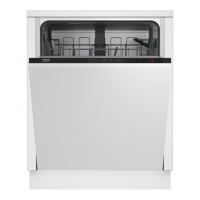
Beko DIN16430 - User Manual

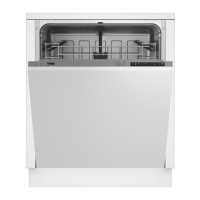
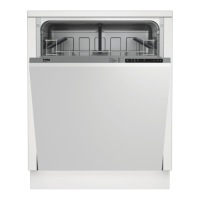
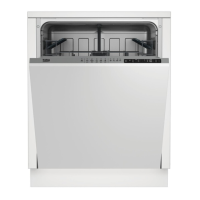
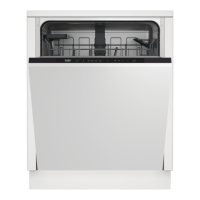
Beko DIN16430
47 pages
Print Icon
To Next Page IconTo Next Page
Loading...
Dishwasher
User’s Manual
EN
18 7650 0100_AA_BEKO_E10_EN/ 20-07-20.(10:44)
DIN15310
DIN15311
DIN15320
DIN15321
DIN15C10
DIN15C20
DIN15Q10
DIN15Q20
DIN15R11
DIN15R20
DIN15X11
DIN15X20
DIN16430
DIN16X10
DIN16X20

Table of Contents

Questions and Answers

  • M
    Melissa LyonsAug 14, 2025
    Why my Beko DIN16430 Dishwasher doesn't start?
    • T
      tiffanymckenzieAug 14, 2025
      Your Beko Dishwasher might not be starting due to several reasons. First, check if the power cable is properly plugged in. Then, inspect the fuses in your house to ensure they haven't blown. Also, verify that the water inlet tap is open and that the dishwasher door is fully closed. Finally, confirm that you've pressed the On/Off button to turn the machine on.
  • H
    Holly DoyleAug 17, 2025
    What to do if Beko Dishwasher leaves dishes not washed clean?
    • S
      stacy45Aug 17, 2025
      If your Beko Dishwasher isn't cleaning dishes properly, several factors could be at play. Ensure dishes are loaded according to the user manual, and select a program with a higher temperature and cycle time. Check that the impellers rotate freely and that the impeller holes and filters are not clogged. Make sure the filters are installed correctly and baskets aren't overloaded. Also, consider the detergent: store it properly, use enough of it, and ensure the detergent dispenser lid is closed tightly. Check and, if needed, add rinse aid.
  • M
    Melissa Krause DVMAug 21, 2025
    Why Beko DIN16430 leaves dishes not dry?
    • S
      Scott EllisonAug 21, 2025
      If your Beko Dishwasher leaves dishes wet, ensure they are placed so water doesn't collect. Don't unload immediately after the cycle; slightly open the door and wait for the steam to evacuate, then wait until the dishes cool down before unloading, starting with the lower basket. Select programs with longer duration for better drying. Note that if the surface quality of your kitchen utensils has deteriorated, desired washing performance can not be obtained.
  • D
    Dr. Anita OdonnellAug 25, 2025
    What to do if water remains in Beko DIN16430?
    • R
      Robin ThomasAug 26, 2025
      If water remains in your Beko Dishwasher after the cycle, check if the filter system is clean. Also, inspect the discharge hose for any clogs or blockages; remove the hose to clear any obstructions if necessary.
  • M
    melaniemathewsAug 29, 2025
    What to do if my Beko DIN16430 leaves detergent in dispenser?
    • M
      Maria BrownAug 29, 2025
      If detergent remains in the dispenser of your Beko Dishwasher, make sure the dispenser was dry when you added the detergent and that you added the detergent shortly before starting the wash. Ensure that dishes aren't blocking the dispenser lid from opening during washing and that you are not storing powder detergent in humid conditions. Check that the impeller holes are not clogged.
  • T
    Tyler SmithSep 1, 2025
    What to do if Beko Dishwasher has foam inside?
    • S
      Samantha GreenSep 1, 2025
      If foam forms in your Beko Dishwasher, it might be because dishes were washed with hand-wash detergent but not rinsed well enough before being placed in the dishwasher. There's no need to hand-wash dishes beforehand; just remove any coarse soil. Also, ensure that rinse aid isn't spilled when filling and that the rinse aid reservoir lid is closed tightly.
  • P
    Pamela WatkinsSep 5, 2025
    Why rust appears on dishes in my Beko DIN16430?
    • M
      Maureen TurnerSep 5, 2025
      Rust, discoloration, or surface deterioration on dishes in your Beko Dishwasher can occur due to several reasons. Salt leakage can cause deterioration and oxidation, so ensure the salt reservoir lid is tightly closed and run a prewash cycle if salt spills. Remove salty food remnants from dishes before loading. Check that your electrical installation is properly grounded. Avoid using intensive cleansers like bleach. Do not use metal items for purposes other than their intended uses. Low-quality stainless steel cutlery and already corroded items should not be washed in the dishwasher.
  • D
    Destiny WhitakerSep 9, 2025
    What causes milk stain on glasses in Beko DIN16430?
    • T
      tmedinaSep 9, 2025
      A smear resembling milk stain on glasses from your Beko Dishwasher, with a bluish/rainbow appearance, can be due to excessive rinse aid; try lowering the rinse aid setting and cleaning up any spills. It may also be caused by corrosion due to soft water. Measure the water hardness and adjust the setting accordingly. If the water is soft, do not use salt and select higher temperature programs. Consider using glass protective detergents.

Summary

Safety Instructions

Safety for children, vulnerable persons and pets

Details precautions for the safe use of the appliance around children and pets.

Electrical safety

Provides essential guidelines for safe electrical connections and usage.

Installation Safety

Covers critical safety measures required during the appliance's installation.

Operational safety

Details safe practices and warnings for operating the dishwasher during use.

Technical specifications

Your dishwasher

Installation

Appropriate installation location

Guidance on selecting the optimal placement for the dishwasher.

Connecting water supply

Instructions for connecting the dishwasher to the water supply.

Connection to the drain

Instructions on how to connect the dishwasher's drain hose.

Electrical connection

Guidelines for safely connecting the dishwasher to the electrical supply.

Preparation

Adding salt

Instructions on how to refill the salt reservoir for the water softener.

Detergent

Information on the types of detergents suitable for the dishwasher.

Adding detergent

Steps for correctly adding detergent to the dispenser.

Rinse aid

Explanation of rinse aid function and how to refill the reservoir.

Placing the dishes into the dishwasher

Guidance on how to load dishes efficiently for optimal washing results.

Operating the product

On;Off key

Explains the function of the On/Off key to start the appliance.

Programme Selection; Programme Cancel key

Guide to selecting wash programmes and cancelling them.

Preparing the machine

Steps to follow before starting a wash cycle.

Programme selection

How to choose the appropriate wash programme for your dishes.

Starting the programme

Steps to start the dishwasher after selecting programme and functions.

Cancelling the programme

How to stop or cancel a running wash programme.

Salt Indicator(S)

Explanation of the salt indicator and when to refill the salt reservoir.

Rinse Aid Indicator

Explanation of the rinse aid indicator and when to refill the reservoir.

Adjusting the amount of rinse aid

Guide to adjusting the rinse aid dispensing level.

Maintenance and cleaning

Cleaning the filters

Steps for cleaning the coarse, micro, and metal filters.

Cleaning the impellers

Guide to cleaning the lower and upper impellers.

Lower impeller

Specific instructions for cleaning the lower impeller.

Upper impeller

Specific instructions for cleaning the upper impeller.

Troubleshooting

Machine does not start.

Common causes and solutions for the machine failing to start.

Dishes are not washed clean

Troubleshooting steps for dishes not coming out clean.

Dishes are not dry at the end of cycle

Solutions for issues related to dishes not drying properly.

Beko DIN16430 Specifications

General IconGeneral
Door colorNot applicable
Door hingeFixed
Water fillCold
Control typeTouch
Display typeLED
Product sizeFull size (60 cm)
Tub materialStainless steel
Hose diameter16 mm
Lower basket rackFoldable
Custom panel-readyYes
Outlet hose length1.3 m
Appliance placementFully built-in
Built-in water softenerNo
Cutlery compartment typeBasket
Maximum dish size (lower basket)29.5 mm
Maximum dish size (upper basket)26 mm
Upper basket adjustable height levels3
Feet adjustment100 mm
Cycle time190 min
Motor typeBrushed
Noise level48 dB
Drying systemStatic
AquaStop function-
Delay start (max)9 h
Dishwashing programsAuto, Eco, Intensive, Mini, Prewash, Quick&Shine
Number of place settings14 place settings
Number of washing programs6
Maximum water flow pressure1000 kPa
Minimum water flow pressure300 kPa
Number of temperature settings5
Cycle time (quick washing program)30 min
Current13 A
Connected load1800 W
AC input voltage220 - 240 V
AC input frequency50 Hz
Connected load (max)2100 W
Energy efficiency scaleA to G
Water consumption per cycle11.5 L
Energy consumption per cycle0.849 kWh
Package depth661 mm
Package width644 mm
Package height859 mm
Package weight38700 g
Wood packaging weight450 g
Metal packaging weight12 g
Paper packaging weight700 g
Plastic packaging weight205 g
Harmonized System (HS) code84221100
Expanded Polystyrene (EPS) packaging weight660 g
Washing classA
Required toolsStandard tool box
Weight and Dimensions IconWeight and Dimensions
Depth550 mm
Width598 mm
Height818 mm
Weight35700 g
Depth with door open1150 mm
Height under worktop820 mm
Custom panel weight (max)9000 g
Custom panel weight (min)3000 g

Related product manuals