EasyManua.ls Logo

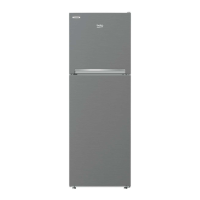
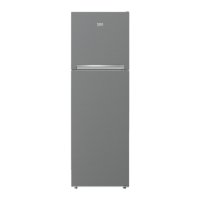
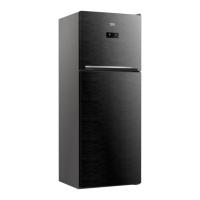
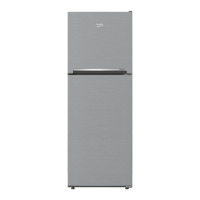
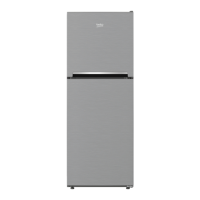
Beko RDNT230I20S - User Manual

Beko RDNT230I20S
33 pages
Print Icon
To Next Page IconTo Next Page
Loading...
EN
RDNT230I20S
RDNT230I20VP
RDNT230I30S
RDNT250I20VZP
RDNT250I30VP
RDNT250I30VS
RDNT270I20VZP
RDNT270I20VZX
RDNT270I30VZP
RDNT270I30VZS
RDNT340I20VZP
RDNT340I20VZP
RDNT340I30VZS
RDNT360E20VZP
RDNT360E20VZP
RDNT360E20VZWB
RDNT360E20VZX
RDNT360E30VZP
RDNT440E50VZX
RDNT470E50VZX
DN270000KL_SKD
DN270000KLS_SKD
RDNT270I20P_SKD
RDNT340I20S_SKD
Question and Answer IconNeed help?

Do you have a question about the Beko RDNT230I20S and is the answer not in the manual?

Overview

This document is a user manual for a Beko refrigerator, providing comprehensive information on its function, installation, usage, maintenance, and troubleshooting.

Function Description

The Beko refrigerator is designed for household use, offering various compartments for storing different types of food. It includes a freezer compartment for freezing and long-term storage of frozen food, and a fridge compartment for fresh food. Some models may feature a chiller compartment for storing delicatessen at a lower temperature, and a crisper for keeping vegetables fresh. The refrigerator is equipped with an indicator panel that displays various settings and statuses, including temperature, error status, vacation function, and economy mode.

Important Technical Specifications

The refrigerator operates on a power supply that must comply with national regulations. Electrical safety is ensured if the earth system in the house complies with standards. The voltage stated on the label located at the inner side of the refrigerator door should be equal to your network voltage. Extension cables and multi-plugs must not be used for connection.

For models with a water dispenser, the cold water inlet pressure should be between 90 psi (6.2 bar) and 80 psi (5.5 bar). The water temperature operating interval is 33°F (0.6°C) minimum and 100°F (38°C) maximum.

The product contains R600a, a flammable gas, as its cooling system refrigerant. It is important to avoid damaging the cooling system and piping during usage and transportation. The type of gas used in the product is stated on the type label, which is on the left wall inside the refrigerator.

The service life of the product is 10 years, during which original spare parts will be available to operate the product properly.

Usage Features

Installation and Placement:

The refrigerator should be installed at least 30 cm away from heat sources such as hobs, ovens, central heaters, and stoves, and at least 5 cm away from electrical ovens. It should not be located under direct sunlight. The refrigerator must be placed on a firm, level surface, and the adjustable feet should be used to ensure stability. The product should be placed in a recess in the wall, with at least 5 cm distance with the ceiling and at least 5 cm with the wall to allow for proper air circulation.

Temperature Settings:

The refrigerator offers temperature setting buttons for both the fridge and freezer compartments. Users can adjust the desired temperature within a specified range. Some models may have an "Eco" fuzzy function for energy-efficient operation.

Special Functions:

  • Quick Freeze Function: This function allows for rapid freezing of large amounts of fresh food, which helps to preserve food quality. It automatically deactivates after a set period (e.g., 24 hours) or when the freezer compartment reaches the required temperature.
  • Quick Cool Function: This function is used to quickly cool large amounts of fresh food in the fridge compartment. It automatically deactivates after a set period (e.g., 1 hour) or when the fridge compartment reaches the required temperature.
  • Vacation Function: This function can be activated when the user is away for an extended period. It sets the fridge compartment to a higher temperature (e.g., 15°C) to save energy while keeping the freezer compartment at its normal operating temperature.
  • Economy Mode: This mode optimizes energy consumption by setting the freezer compartment temperature to -18°C.

Food Storage Recommendations:

  • Freezer Compartment: Food should be wrapped or covered before placing it in the refrigerator. Hot food must cool down to room temperature before putting it in the freezer. Foodstuff should be packaged in an airtight manner to prevent them from drying even if they are going to be kept for a short time. Materials for packaging should be tear-proof and resistant to cold, humidity, odor, oils, and acids. Frozen food must be used immediately after thawing and should never be re-frozen.
  • Fridge Compartment: Do not overload the refrigerator with food. If overloaded, food items may fall down and hurt you and damage the refrigerator when you open the door. Do not place hot foods in the product.
  • Deep-Freeze Information: Food must be frozen as rapidly as possible. It is possible to keep food for a long time only at -18°C or lower temperatures.
  • Making Ice (Optional Feature): Fill the ice container with water and place it into the freezer compartment. Ice will be ready in approximately two hours.
  • Twist Ice - matic (Optional Feature): This feature allows for easy ice cube production and dispensing. The water tank is filled, and the ice cubes are released into the ice drawer by twisting a knob.
  • Chiller Compartment (Optional Feature): This compartment is ideal for storing delicatessen, meat, fish, and poultry under ideal storage conditions. Fruits and vegetables should not be stored in this compartment.

Door Open Warning (Optional Feature): An audio warning signal will be given if the door of the product is left open for at least 1 minute. The warning will be muted when the door is closed or any of the display buttons are pressed.

Maintenance Features

Cleaning:

  • Unplug the refrigerator before cleaning or defrosting.
  • Do not use gasoline, benzene, or similar substances for cleaning purposes.
  • Do not use any sharp abrasive instrument, soap, household cleaner, detergent, and wax polish for cleaning.
  • Use lukewarm water to clean the cabinet of your refrigerator and wipe it dry.
  • Use a damp cloth wrung out in a solution of one teaspoon of bicarbonate of soda to one pint of water to clean the interior and wipe it dry.
  • Make sure that no water enters the lamp housing and other electrical items.
  • Do not put liquid oils or oil-soaked meals in your refrigerator in unsealed containers as they damage the plastic surfaces of your refrigerator. In case of spilling or smearing oil on the plastic surfaces, clean and rinse the relevant part of the surface at once with warm water.
  • Check door seals regularly to ensure they are clean and free from food particles.
  • To remove door racks, remove all the contents and then simply push the door rack upwards from the base.
  • Never use cleaning agents or water that contain chlorine to clean the outer surfaces and chromium coated parts of the product. Chlorine causes corrosion on such metal surfaces.

Defrosting:

The freezer compartment defrosts automatically.

Odour Filter (Optional Feature):

An odour filter prevents unpleasant odour build-up in your refrigerator. Pull the cover to remove the filter. Leave the filter under sunlight for one day. The filter should be cleaned during this time and installed back in its place. The odour filter must be cleaned once a year.

Reversing the Doors (Optional Feature):

The manual provides detailed numerical instructions for reversing the doors, which can be done to suit the user's preference or kitchen layout.

Troubleshooting:

The manual includes a comprehensive troubleshooting section that addresses common issues such as the refrigerator not operating, compressor not running, temperature issues, vibrations, noises, humidity, and the door not closing. It provides solutions like checking the plug, ensuring proper placement, adjusting temperature settings, and rearranging food.

Beko RDNT230I20S Specifications

General IconGeneral
BrandBeko
ModelRDNT230I20S
CategoryRefrigerator
LanguageEnglish

Related product manuals