9. Please read the specification label on the product for further information and requirements.
10. The wearing of safety glasses and gloves is recommended when installing, maintaining, or cleaning the unit to reduce the
risk of injury that could be caused by the presence of thin metal and/or high moving parts.
11. If the fan makes excessive noise or if there is unusual noise or smells of smoke, disconnect the power supply and contact
customer service.
If this fan is to be used to ventilate a garage:
Use only in single-family, residential garages
Install in a GFCI protected branch circuit
To help offset the risk posed by high concentrations of vapors from paints, glues, solvents, and fuels, install fan at least
18 inches (0.5m) above the floor
NEVER run a vehicle or use a fuel-burning appliance inside of a garage. Deadly levels of carbon monoxide can build up
in the area. Using this garage fan, or opening windows and doors, will NOT supply enough fresh air to eliminate the
danger.
Run regularly if exposed to salty air environments
Extra cleaning may be required due to possible dirty surroundings.
TOOLS & MATERIALS REQUIRED
¨ Screwdrivers (Slotted & Phillips) ¨ Pencil
¨ Hammer
¨ Electrical supplies
(to comply with codes)
¨ Ruler ¨ Nails
PREPARE THE VENTILATOR
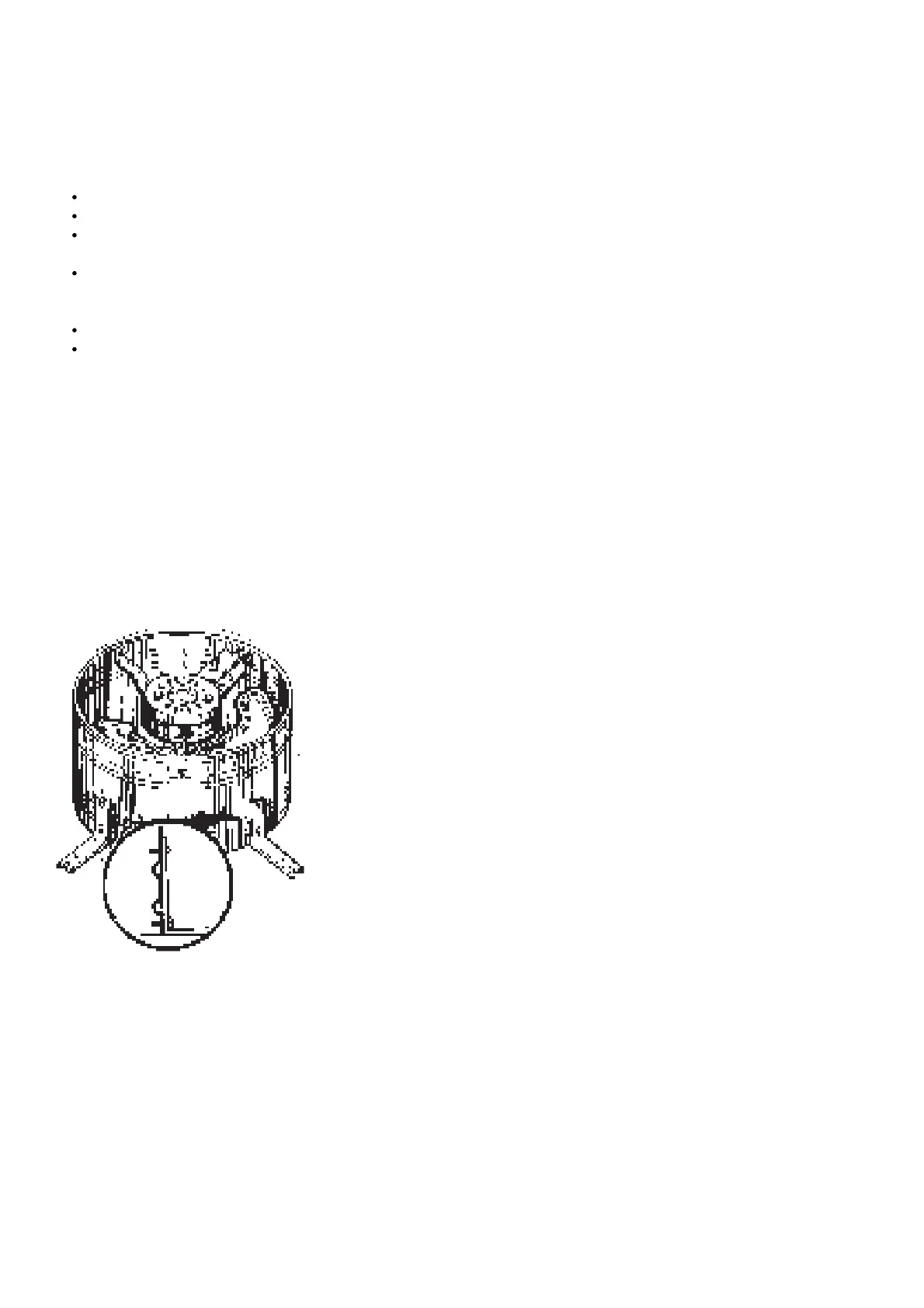
1. Unpack the ventilator and find:
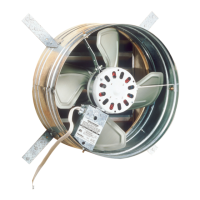
1 – power unit with wiring box
4 – angle brackets
8 – sheet metal screws
2. Fasten the four (4) angle mounting brackets to the housing using the eight (8) sheet metal screws provided. Position the
bracket flush with the edge of the housing band. A close fit between the ventilator and louver will minimize air
recirculation.
INSTALL THE VENTILATOR
The ventilator is designed to mount behind existing louvers. Find the type of louver you have in the examples below. If no
louver exists, one must be installed. Louver should be mounted in the center of the upper portion of the gable as high as
possible. For maximum efficiency, the area of the louver should be greater than the outlet area of the ventilator.
There is some loss in fan output because the louver blocks some of the airflows. Metal louvers have more open areas than


 To Next Page