EasyManua.ls Logo

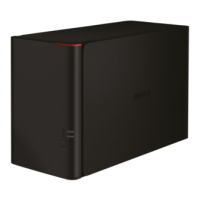
Buffalo LS410D - User Manual

Buffalo LS410D
87 pages
Print Icon
To Next Page IconTo Next Page
Loading...
LS400 Series
User Manual
www.buffalotech.com
35013107-03
2013-11

Table of Contents

Question and Answer IconNeed help?

Do you have a question about the Buffalo LS410D and is the answer not in the manual?

Summary

Chapter 1 Installation

Diagrams

Visual representation of the LinkStation's physical components.

Installation

Step-by-step guide for hardware and software setup of the LinkStation.

Changing Admin Password and Adding a Shared Folder

Securing the device and creating initial shared storage for data.

Turning the LinkStation On and Off

Proper procedures for powering the LinkStation on and off.

Chapter 2 Configuration

Opening Easy Admin

Accessing the LinkStation's web-based administration interface.

Getting Started

Initial setup wizard for password, shared folders, and user access.

WebAccess

Enabling remote access to LinkStation files via the internet.

BitTorrent

Configuring the LinkStation to download files using the BitTorrent protocol.

DLNA

Enabling media sharing with DLNA-compatible devices on the network.

USB Device Server

Connecting USB devices to the LinkStation for network access.

Opening Advanced Settings

Accessing the comprehensive configuration menu for detailed options.

Chapter 3 Remote Access

WebAccess

Program for accessing LinkStation files remotely over the internet.

Configuration from Easy Admin

Setting up WebAccess using the simplified administrative interface.

Configuration from Advanced Settings

Detailed configuration of WebAccess through advanced settings.

FTP

Setting up the File Transfer Protocol server for external network access.

Chapter 4 Access Restrictions

Configuring Access Restrictions on Users and Groups

Defining permissions for shared folders based on user and group accounts.

Adding Users

Creating new user accounts to manage access permissions to shared folders.

Adding Groups

Creating groups to efficiently manage permissions for multiple users.

Access Restrictions

Setting specific access levels (read, write, prohibited) for folders.

Active Directory

Integrating with Active Directory for centralized user and group management.

NT Domains

Utilizing NT Domain accounts for access control and management.

Delegating Authority to an External SMB Server

Linking to an external server for centralized user authentication.

Chapter 5 Managing Storage

RAID Arrays

Configuring and managing RAID levels for data redundancy and performance.

Working with RAID Arrays

Procedures for managing existing RAID configurations and settings.

Using JBOD

Configuring drives to operate independently without RAID configurations.

Changing RAID Mode

Steps to switch between different RAID configurations for storage arrays.

RMM (RAID Mode Manager)

Utilizing RAID Mode Manager to create or expand arrays without data loss.

RAID Scanning

Scheduling and performing maintenance scans to check RAID array integrity.

Adding an External Hard Drive

Connecting and integrating external USB drives with the LinkStation.

Connect an External Drive

Details on connecting and ensuring external USB drives are recognized.

Compatible Information

Lists supported and unsupported USB devices for connection.

Dismounting Drives

Procedures for safely disconnecting external drives from the LinkStation.

Dismounting with the Function Button

Safely ejecting USB drives using the physical function button.

Dismounting from Settings

Safely ejecting external drives via the LinkStation's settings interface.

Checking Drives

Performing integrity checks on internal and external drives for errors.

Formatting Drives

Formatting internal or external drives to prepare them for use.

Formatting External Drives

Specific instructions for formatting external USB drives.

Erase Data on the LinkStation Completely

Securely erasing all data and restoring the LinkStation to factory default settings.

Disk Quotas

Managing and setting disk space limits for users and groups.

Quotas for Users

Setting specific disk space limits for individual user accounts.

Quotas for Groups

Setting specific disk space limits for user groups.

Hard Drive Replacement

Step-by-step guide for replacing a failed hard drive in the LinkStation.

Chapter 6 Backup

Back Up from the LinkStation

Overview of available destinations for backing up LinkStation data.

Preparing a Backup Destination

Configuring a folder on another device to serve as a backup target.

Backing up to a LinkStation or TeraStation on another network when connected by a VPN

Performing backups to another network device via a VPN connection.

Configuring a Backup Job

Setting up scheduled or manual backup tasks for data protection.

Backing Up Your Mac with Time Machine

Configuring the LinkStation for backups using Apple's Time Machine utility.

Copying from a USB Device

Using Direct Copy function to transfer files from USB devices to the LinkStation.

Chapter 7 Multimedia

DLNA

Streaming media content to DLNA-compatible devices on the local network.

Configuration from Easy Admin

Enabling DLNA media sharing for specific folders via the Easy Admin interface.

Configuration from Advanced Settings

Detailed configuration of DLNA server settings and client access permissions.

Play Files

Instructions on how to play media files on DLNA-compatible devices.

Connected DLNA-compatible Devices

Viewing a list of DLNA devices connected to the LinkStation.

Streaming to DLNA-compatible Devices

Updating the DLNA database for streaming new media files.

Disabling Playback from Specific Devices

Blocking specific DLNA devices from accessing media content.

Supported File Types

Lists file extensions supported for DLNA media streaming.

iTunes Server

Enabling and configuring the iTunes server for music sharing.

BitTorrent

Configuring the BitTorrent client for efficient data distribution.

Configuration from Easy Admin

Setting up BitTorrent downloads via the simplified Easy Admin interface.

Configuration from Advanced Settings

Detailed configuration of BitTorrent client settings.

Connecting a Printer

Connecting a USB printer to the LinkStation for network printing.

Settings up a Printer with Windows 8, Windows 7, or Windows Vista

Configuring printer sharing for Windows 8, 7, and Vista clients.

Setting Up a Printer with Windows XP

Configuring printer sharing for Windows XP clients.

USB Device Server

Enabling and configuring the USB device server for network access to connected USB devices.

Chapter 8 Advanced Features

Email Notification

Configuring the LinkStation to send email alerts for system events and status.

Sleep Mode

Setting the LinkStation to enter a low-power sleep mode to conserve energy.

UPS (Uninterruptible Power Supply)

Configuring automatic shutdown with an attached UPS for power outage protection.

Restoring Factory Defaults

Resetting the LinkStation to its original factory default settings.

Initializing from Settings

Restoring factory defaults through the LinkStation's settings interface.

Initializing with the Function Button

Resetting the LinkStation to factory defaults using the physical function button.

Online Update

Updating the LinkStation's firmware to the latest available version.

Name, Date, Time, and Language

Configuring the LinkStation's hostname, date, time, and language settings.

Jumbo Frames

Optimizing network performance by enabling jumbo frames on supported devices.

Changing the IP Address

Manually configuring or changing the LinkStation's network IP address.

Chapter 9 Utilities

NAS Navigator2 for Windows

Utility for managing LinkStation settings, IP address, and drive status on Windows.

Mount as Network Drive

Mapping LinkStation shared folders as network drives using NAS Navigator2.

NAS Navigator2 for Mac OS

Utility for managing LinkStation settings and drive status on Mac OS.

Mount as Network Drive

Mapping LinkStation shared folders as network drives using NAS Navigator2 on Mac OS.

Chapter 10 Appendix

When the Power LED Blinks

Interpreting power LED status codes for troubleshooting LinkStation errors.

Default Settings

Listing the default configuration parameters and network settings of the LinkStation.

Specifications

Providing detailed technical specifications for the LinkStation hardware.

Compliance Information

Regulatory compliance details, including FCC and CE warnings.

FCC Warning

Information regarding FCC compliance and potential radio frequency interference.

CE Mark Warning

Information regarding CE mark compliance for products sold in European markets.

Environmental Information

Guidelines and information related to the environmental impact and disposal of the equipment.

KC

Korean certification information for the device.

Models

List of specific Buffalo LS400 Series model numbers covered by this manual.

Summary

Chapter 1 Installation

Diagrams

Visual representation of the LinkStation's physical components.

Installation

Step-by-step guide for hardware and software setup of the LinkStation.

Changing Admin Password and Adding a Shared Folder

Securing the device and creating initial shared storage for data.

Turning the LinkStation On and Off

Proper procedures for powering the LinkStation on and off.

Chapter 2 Configuration

Opening Easy Admin

Accessing the LinkStation's web-based administration interface.

Getting Started

Initial setup wizard for password, shared folders, and user access.

WebAccess

Enabling remote access to LinkStation files via the internet.

BitTorrent

Configuring the LinkStation to download files using the BitTorrent protocol.

DLNA

Enabling media sharing with DLNA-compatible devices on the network.

USB Device Server

Connecting USB devices to the LinkStation for network access.

Opening Advanced Settings

Accessing the comprehensive configuration menu for detailed options.

Chapter 3 Remote Access

WebAccess

Program for accessing LinkStation files remotely over the internet.

Configuration from Easy Admin

Setting up WebAccess using the simplified administrative interface.

Configuration from Advanced Settings

Detailed configuration of WebAccess through advanced settings.

FTP

Setting up the File Transfer Protocol server for external network access.

Chapter 4 Access Restrictions

Configuring Access Restrictions on Users and Groups

Defining permissions for shared folders based on user and group accounts.

Adding Users

Creating new user accounts to manage access permissions to shared folders.

Adding Groups

Creating groups to efficiently manage permissions for multiple users.

Access Restrictions

Setting specific access levels (read, write, prohibited) for folders.

Active Directory

Integrating with Active Directory for centralized user and group management.

NT Domains

Utilizing NT Domain accounts for access control and management.

Delegating Authority to an External SMB Server

Linking to an external server for centralized user authentication.

Chapter 5 Managing Storage

RAID Arrays

Configuring and managing RAID levels for data redundancy and performance.

Working with RAID Arrays

Procedures for managing existing RAID configurations and settings.

Using JBOD

Configuring drives to operate independently without RAID configurations.

Changing RAID Mode

Steps to switch between different RAID configurations for storage arrays.

RMM (RAID Mode Manager)

Utilizing RAID Mode Manager to create or expand arrays without data loss.

RAID Scanning

Scheduling and performing maintenance scans to check RAID array integrity.

Adding an External Hard Drive

Connecting and integrating external USB drives with the LinkStation.

Connect an External Drive

Details on connecting and ensuring external USB drives are recognized.

Compatible Information

Lists supported and unsupported USB devices for connection.

Dismounting Drives

Procedures for safely disconnecting external drives from the LinkStation.

Dismounting with the Function Button

Safely ejecting USB drives using the physical function button.

Dismounting from Settings

Safely ejecting external drives via the LinkStation's settings interface.

Checking Drives

Performing integrity checks on internal and external drives for errors.

Formatting Drives

Formatting internal or external drives to prepare them for use.

Formatting External Drives

Specific instructions for formatting external USB drives.

Erase Data on the LinkStation Completely

Securely erasing all data and restoring the LinkStation to factory default settings.

Disk Quotas

Managing and setting disk space limits for users and groups.

Quotas for Users

Setting specific disk space limits for individual user accounts.

Quotas for Groups

Setting specific disk space limits for user groups.

Hard Drive Replacement

Step-by-step guide for replacing a failed hard drive in the LinkStation.

Chapter 6 Backup

Back Up from the LinkStation

Overview of available destinations for backing up LinkStation data.

Preparing a Backup Destination

Configuring a folder on another device to serve as a backup target.

Backing up to a LinkStation or TeraStation on another network when connected by a VPN

Performing backups to another network device via a VPN connection.

Configuring a Backup Job

Setting up scheduled or manual backup tasks for data protection.

Backing Up Your Mac with Time Machine

Configuring the LinkStation for backups using Apple's Time Machine utility.

Copying from a USB Device

Using Direct Copy function to transfer files from USB devices to the LinkStation.

Chapter 7 Multimedia

DLNA

Streaming media content to DLNA-compatible devices on the local network.

Configuration from Easy Admin

Enabling DLNA media sharing for specific folders via the Easy Admin interface.

Configuration from Advanced Settings

Detailed configuration of DLNA server settings and client access permissions.

Play Files

Instructions on how to play media files on DLNA-compatible devices.

Connected DLNA-compatible Devices

Viewing a list of DLNA devices connected to the LinkStation.

Streaming to DLNA-compatible Devices

Updating the DLNA database for streaming new media files.

Disabling Playback from Specific Devices

Blocking specific DLNA devices from accessing media content.

Supported File Types

Lists file extensions supported for DLNA media streaming.

iTunes Server

Enabling and configuring the iTunes server for music sharing.

BitTorrent

Configuring the BitTorrent client for efficient data distribution.

Configuration from Easy Admin

Setting up BitTorrent downloads via the simplified Easy Admin interface.

Configuration from Advanced Settings

Detailed configuration of BitTorrent client settings.

Connecting a Printer

Connecting a USB printer to the LinkStation for network printing.

Settings up a Printer with Windows 8, Windows 7, or Windows Vista

Configuring printer sharing for Windows 8, 7, and Vista clients.

Setting Up a Printer with Windows XP

Configuring printer sharing for Windows XP clients.

USB Device Server

Enabling and configuring the USB device server for network access to connected USB devices.

Chapter 8 Advanced Features

Email Notification

Configuring the LinkStation to send email alerts for system events and status.

Sleep Mode

Setting the LinkStation to enter a low-power sleep mode to conserve energy.

UPS (Uninterruptible Power Supply)

Configuring automatic shutdown with an attached UPS for power outage protection.

Restoring Factory Defaults

Resetting the LinkStation to its original factory default settings.

Initializing from Settings

Restoring factory defaults through the LinkStation's settings interface.

Initializing with the Function Button

Resetting the LinkStation to factory defaults using the physical function button.

Online Update

Updating the LinkStation's firmware to the latest available version.

Name, Date, Time, and Language

Configuring the LinkStation's hostname, date, time, and language settings.

Jumbo Frames

Optimizing network performance by enabling jumbo frames on supported devices.

Changing the IP Address

Manually configuring or changing the LinkStation's network IP address.

Chapter 9 Utilities

NAS Navigator2 for Windows

Utility for managing LinkStation settings, IP address, and drive status on Windows.

Mount as Network Drive

Mapping LinkStation shared folders as network drives using NAS Navigator2.

NAS Navigator2 for Mac OS

Utility for managing LinkStation settings and drive status on Mac OS.

Mount as Network Drive

Mapping LinkStation shared folders as network drives using NAS Navigator2 on Mac OS.

Chapter 10 Appendix

When the Power LED Blinks

Interpreting power LED status codes for troubleshooting LinkStation errors.

Default Settings

Listing the default configuration parameters and network settings of the LinkStation.

Specifications

Providing detailed technical specifications for the LinkStation hardware.

Compliance Information

Regulatory compliance details, including FCC and CE warnings.

FCC Warning

Information regarding FCC compliance and potential radio frequency interference.

CE Mark Warning

Information regarding CE mark compliance for products sold in European markets.

Environmental Information

Guidelines and information related to the environmental impact and disposal of the equipment.

KC

Korean certification information for the device.

Models

List of specific Buffalo LS400 Series model numbers covered by this manual.

Buffalo LS410D Specifications

General IconGeneral
ModelLS410D
ManufacturerBuffalo
RAM256 MB
CategoryNetwork Attached Storage
TypeNAS
Storage CapacityDiskless
Drive Compatibility3.5" SATA
Flash Memory128MB
Network InterfaceGigabit Ethernet (10/100/1000 Mbps)
InterfaceEthernet, USB
ProtocolsSMB, AFP, FTP
RAID SupportRAID 0, 1, JBOD
Power SupplyExternal AC adapter (100-240V)
Operating Temperature0 to 40 °C
Operating Humidity20 to 80 %

Related product manuals