EasyManua.ls Logo

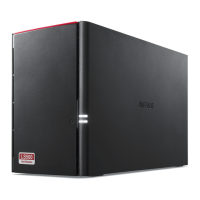
Buffalo LinkStation 500 - User Manual

Buffalo LinkStation 500
141 pages
Print Icon
To Next Page IconTo Next Page
Loading...
Network Attached Storage
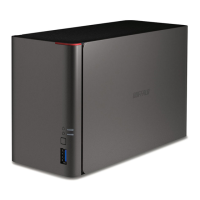
LinkStation 500
User Manual
Please make sure to read this manual before using and follow the procedures. If you have any inquiries about
the product, contact the number on the warranty statement or the packing box. Do not discard this manual, the
warranty statement, or the packing box.
Americas: www.buffaloamericas.com
Europe: www.buffalo-technology.com
Asia Pacific: www.buffalo-asia.com
35020844-12
April, 2018

Table of Contents

Question and Answer IconNeed help?

Do you have a question about the Buffalo LinkStation 500 and is the answer not in the manual?

Summary

Chapter 1 Getting Started

Diagrams

Visual overview of LinkStation hardware components and ports.

Accessing Shared Folders

Instructions for accessing shared files and folders on the LinkStation.

Turning the LinkStation On and Off

Procedures for safely powering the LinkStation on and off.

Restarting from Settings

Steps to remotely restart the LinkStation through its settings.

Chapter 2 Configuration

Opening Settings

Guide to accessing the LinkStation's configuration interface.

Opening from a Mobile Device

Accessing LinkStation settings via a mobile device.

Resetting Administrator Password

Procedure to reset the administrator password if forgotten.

Navigating the Main Menu

Overview of the LinkStation's main menu interface.

The Home Screen

Explanation of the LinkStation's desktop interface and default shortcuts.

Launcher

Details about the launcher for quick access to applications and settings.

Customizing the Home Screen

How to personalize the LinkStation's desktop by customizing icons and layout.

Launcher Options

Customization options for the launcher's appearance and behavior.

Display Options

How to adjust display settings like icon and text size.

Wallpaper Options

Instructions for setting custom wallpapers and slideshows.

Changing Display Languages

How to change the LinkStation's display language.

Chapter 3 My LinkStation

Navigating the My LinkStation Window

Guide to using the My LinkStation interface for file management.

Adding Folders

Steps to create new folders within the LinkStation.

Uploading and Downloading Files

Instructions for transferring files to and from the LinkStation.

Sharing Files and Folders Using Shared Links

How to create temporary links to share files.

Chapter 4 Media Player

Navigating the Media Player Window

Overview of the Media Player interface and its controls.

Creating Playlists

Steps to create and manage playlists for media files.

Adding Media Files

How to add media files to playlists.

Playing Files

Instructions for playing media files through the browser.

Chapter 5 Disk Manager

RAID Arrays

Explanation of different RAID array configurations (RAID 1, RAID 0, Linear, JBOD).

Working with RAID Arrays

General notes and procedures for managing RAID arrays.

Changing RAID Mode

How to change the RAID configuration of the drives.

Expanding RAID Array Capacity

Procedure to increase the capacity of an existing RAID array.

Adding an External Drive

Instructions for connecting and using external USB storage devices.

Dismounting an External Drive

How to safely disconnect external drives.

Formatting Drives

How to format internal and external drives.

Drive Replacement

Guide for replacing a failed hard drive in the LinkStation.

Step 2 - Rebuilding the RAID Array

Procedure to rebuild the RAID array after drive replacement.

Chapter 6 System Information

Server Info

Displays system details like hostname, IP, and firmware version.

System Log

View system logs for troubleshooting and monitoring.

Chapter 7 Services

Folder Setup

Create, delete, and configure shared folders and protocols.

Recycle Bin

Configure a recycle bin for deleted files.

Configuring Access Restrictions

Set permissions for accessing shared folders.

SMB

Enable/disable SMB connections and change workgroup name.

AFP

Enable or disable AFP connections for Mac compatibility.

FTP

Enable or disable FTP connections for file transfer.

DLNA Server

Enable DLNA for media streaming to compatible devices.

Playing Files on the DLNA Client Device

How to play media from LinkStation on DLNA devices.

iTunes

Enable iTunes server for music sharing.

Downloader

Enable/disable BitTorrent for downloading files.

Downloading Files

Instructions for initiating file downloads.

WebAccess

Program for remote file access via the Internet.

Configuring WebAccess

Steps to set up remote access through WebAccess.

Accessing Remotely

How to access LinkStation files remotely.

Direct Copy

Feature to copy data from USB to LinkStation.

Chapter 8 System

Users

Manage user accounts on the LinkStation.

Changing Passwords

How to change administrator and user passwords.

Deleting Users

Steps to remove user accounts.

Groups

Manage user groups for access control.

Network

Configure network settings like hostname and IP address.

Wake-on-LAN

Enable remote wake-up functionality.

System Language

Change the LinkStation's display language.

Changing FTP Client Character Encoding

Configure character encoding for FTP.

Date & Time

Configure system date, time, and timezone settings.

Power Management

Configure power saving settings for the system and drives.

Sleep Mode

Set timers for the LinkStation to enter sleep mode.

UPS Sync

Configure LinkStation shutdown with a UPS.

Chapter 9 Configuring from Mobile Devices

Settings That Can Be Changed from Your Mobile Device

Lists settings adjustable via mobile app.

Managing User Accounts

How to manage users from a mobile device.

Deleting Users

How to delete users via mobile.

Changing the RAID Mode

How to change RAID mode from a mobile device.

Configuring WebAccess

Steps to configure WebAccess using a mobile device.

If Unable to Create a BuffaloNAS.com Name

Troubleshooting for BuffaloNAS.com name creation.

Configuring DLNA Server

How to set up the DLNA server via mobile.

Managing USB Devices

Manage USB devices and related functions via mobile.

Starting Direct Copy

Initiate Direct Copy from a mobile device.

Configuring UPS Sync

Enable/disable UPS sync settings from a mobile device.

Chapter 10 Utilities

NAS Navigator2 for Windows

Utility for managing LinkStation from Windows.

Changing the IP Address

How to change IP address using NAS Navigator2 on Windows.

NAS Navigator2 for macOS

Guide to using NAS Navigator2 on macOS.

Changing the IP Address

How to change IP address using NAS Navigator2 on macOS.

NovaBACKUP

Information about NovaBACKUP utility for data backup.

Chapter 11 Appendix

When the Power LED Blinks

Explains LED status codes and their meanings.

Default Settings

Lists the default configuration parameters of the LinkStation.

Specifications

Technical specifications of the LinkStation.

Chapter 12 Regulatory Compliance Information

For Customers in the United States

Regulatory compliance information for US users.

For Customers in Europe

Regulatory compliance information for European users.

Summary

Chapter 1 Getting Started

Diagrams

Visual overview of LinkStation hardware components and ports.

Accessing Shared Folders

Instructions for accessing shared files and folders on the LinkStation.

Turning the LinkStation On and Off

Procedures for safely powering the LinkStation on and off.

Restarting from Settings

Steps to remotely restart the LinkStation through its settings.

Chapter 2 Configuration

Opening Settings

Guide to accessing the LinkStation's configuration interface.

Opening from a Mobile Device

Accessing LinkStation settings via a mobile device.

Resetting Administrator Password

Procedure to reset the administrator password if forgotten.

Navigating the Main Menu

Overview of the LinkStation's main menu interface.

The Home Screen

Explanation of the LinkStation's desktop interface and default shortcuts.

Launcher

Details about the launcher for quick access to applications and settings.

Customizing the Home Screen

How to personalize the LinkStation's desktop by customizing icons and layout.

Launcher Options

Customization options for the launcher's appearance and behavior.

Display Options

How to adjust display settings like icon and text size.

Wallpaper Options

Instructions for setting custom wallpapers and slideshows.

Changing Display Languages

How to change the LinkStation's display language.

Chapter 3 My LinkStation

Navigating the My LinkStation Window

Guide to using the My LinkStation interface for file management.

Adding Folders

Steps to create new folders within the LinkStation.

Uploading and Downloading Files

Instructions for transferring files to and from the LinkStation.

Sharing Files and Folders Using Shared Links

How to create temporary links to share files.

Chapter 4 Media Player

Navigating the Media Player Window

Overview of the Media Player interface and its controls.

Creating Playlists

Steps to create and manage playlists for media files.

Adding Media Files

How to add media files to playlists.

Playing Files

Instructions for playing media files through the browser.

Chapter 5 Disk Manager

RAID Arrays

Explanation of different RAID array configurations (RAID 1, RAID 0, Linear, JBOD).

Working with RAID Arrays

General notes and procedures for managing RAID arrays.

Changing RAID Mode

How to change the RAID configuration of the drives.

Expanding RAID Array Capacity

Procedure to increase the capacity of an existing RAID array.

Adding an External Drive

Instructions for connecting and using external USB storage devices.

Dismounting an External Drive

How to safely disconnect external drives.

Formatting Drives

How to format internal and external drives.

Drive Replacement

Guide for replacing a failed hard drive in the LinkStation.

Step 2 - Rebuilding the RAID Array

Procedure to rebuild the RAID array after drive replacement.

Chapter 6 System Information

Server Info

Displays system details like hostname, IP, and firmware version.

System Log

View system logs for troubleshooting and monitoring.

Chapter 7 Services

Folder Setup

Create, delete, and configure shared folders and protocols.

Recycle Bin

Configure a recycle bin for deleted files.

Configuring Access Restrictions

Set permissions for accessing shared folders.

SMB

Enable/disable SMB connections and change workgroup name.

AFP

Enable or disable AFP connections for Mac compatibility.

FTP

Enable or disable FTP connections for file transfer.

DLNA Server

Enable DLNA for media streaming to compatible devices.

Playing Files on the DLNA Client Device

How to play media from LinkStation on DLNA devices.

iTunes

Enable iTunes server for music sharing.

Downloader

Enable/disable BitTorrent for downloading files.

Downloading Files

Instructions for initiating file downloads.

WebAccess

Program for remote file access via the Internet.

Configuring WebAccess

Steps to set up remote access through WebAccess.

Accessing Remotely

How to access LinkStation files remotely.

Direct Copy

Feature to copy data from USB to LinkStation.

Chapter 8 System

Users

Manage user accounts on the LinkStation.

Changing Passwords

How to change administrator and user passwords.

Deleting Users

Steps to remove user accounts.

Groups

Manage user groups for access control.

Network

Configure network settings like hostname and IP address.

Wake-on-LAN

Enable remote wake-up functionality.

System Language

Change the LinkStation's display language.

Changing FTP Client Character Encoding

Configure character encoding for FTP.

Date & Time

Configure system date, time, and timezone settings.

Power Management

Configure power saving settings for the system and drives.

Sleep Mode

Set timers for the LinkStation to enter sleep mode.

UPS Sync

Configure LinkStation shutdown with a UPS.

Chapter 9 Configuring from Mobile Devices

Settings That Can Be Changed from Your Mobile Device

Lists settings adjustable via mobile app.

Managing User Accounts

How to manage users from a mobile device.

Deleting Users

How to delete users via mobile.

Changing the RAID Mode

How to change RAID mode from a mobile device.

Configuring WebAccess

Steps to configure WebAccess using a mobile device.

If Unable to Create a BuffaloNAS.com Name

Troubleshooting for BuffaloNAS.com name creation.

Configuring DLNA Server

How to set up the DLNA server via mobile.

Managing USB Devices

Manage USB devices and related functions via mobile.

Starting Direct Copy

Initiate Direct Copy from a mobile device.

Configuring UPS Sync

Enable/disable UPS sync settings from a mobile device.

Chapter 10 Utilities

NAS Navigator2 for Windows

Utility for managing LinkStation from Windows.

Changing the IP Address

How to change IP address using NAS Navigator2 on Windows.

NAS Navigator2 for macOS

Guide to using NAS Navigator2 on macOS.

Changing the IP Address

How to change IP address using NAS Navigator2 on macOS.

NovaBACKUP

Information about NovaBACKUP utility for data backup.

Chapter 11 Appendix

When the Power LED Blinks

Explains LED status codes and their meanings.

Default Settings

Lists the default configuration parameters of the LinkStation.

Specifications

Technical specifications of the LinkStation.

Chapter 12 Regulatory Compliance Information

For Customers in the United States

Regulatory compliance information for US users.

For Customers in Europe

Regulatory compliance information for European users.

Buffalo LinkStation 500 Specifications

General IconGeneral
Form FactorDesktop
InterfaceGigabit Ethernet
Power SupplyExternal AC adapter
CategoryNAS
Supported ProtocolsAFP, HTTP, FTP
Operating Temperature5°C to 35°C (41°F to 95°F)
Operating Humidity20% to 80% (non-condensing)

Related product manuals