EasyManua.ls Logo

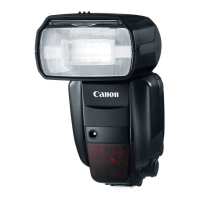
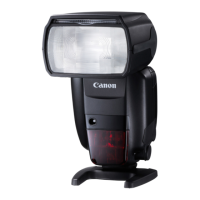
Canon 600EXII-RT - User Manual

Canon 600EXII-RT
148 pages
Print Icon
To Next Page IconTo Next Page
Loading...
1
J
E
INSTRUCTION
MANUAL

Table of Contents

Question and Answer IconNeed help?

Do you have a question about the Canon 600EXII-RT and is the answer not in the manual?

Summary

Introduction

Using the Speedlite with a Camera

Explains how to use the Speedlite with different EOS camera types.

Conventions Used in this Manual

Icons in this Manual

Explains the meaning of icons used throughout the manual.

Basic Assumptions

Outlines the operational assumptions for using the Speedlite.

Safety Precautions

Warnings

Provides critical warnings to prevent death or serious injury.

Cautions

Lists cautions to prevent physical injury or property damage.

Nomenclature

External Components

Identifies key external parts of the Speedlite.

Controls and Interface

Describes buttons, dials, and the LCD panel.

E-TTL II;E-TTL;TTL Autoflash Display

Explains the E-TTL II/E-TTL/TTL autoflash display on the LCD.

Manual Flash Display

Illustrates the LCD display for manual flash settings.

Stroboscopic Flash Display

Illustrates the LCD display for stroboscopic flash settings.

Master Unit Operation

Explains the master unit's role in wireless flash photography.

Slave Unit Operation

Illustrates the slave unit's display for linked shooting.

Accessories Provided

Shows included accessories like the case and mini stand.

Getting Started and Basic Operations

Installing the Batteries

Step-by-step guide for installing batteries.

Attaching and Detaching the Speedlite

Instructions for mounting and removing the Speedlite from a camera.

Cautions for firing continuous flash

Advises on precautions for continuous flash to prevent damage.

Turning on the Power

Quick Flash

Explains the Quick flash function for faster recycle times.

Auto Power Off

Describes the auto power off function to save battery.

Lock Function

Explains how to lock controls to prevent accidental changes.

ETTL: Fully Automatic Flash Photography

Focus on the subject.

Guides on focusing for automatic flash photography.

Take the picture.

Instructions for taking the picture after setup.

Auto Zoom Adjustment to Image Sensor Size

Explains automatic flash coverage adjustment based on sensor size.

AF-Assist Beam

Details the AF-assist beam functionality for low-light focusing.

E-TTL II;E-TTL Autoflash by Shooting Mode

Flash Sync Speeds and Apertures by Shooting Mode

Table showing sync speeds and apertures for different camera modes.

Advanced Flash Photography

Flash Exposure Compensation

Set the flash exposure compensation amount.

Steps to adjust flash exposure compensation.

FEB (Flash Exposure Bracketing)

Set the FEB level.

Instructions for setting the FEB level for bracketing.

FEL: FE Lock

Focus on the subject.

Guides on focusing for FE Lock.

Press the <M-Fn> button (8).

Explains how to perform FE Lock using the camera button.

High-speed Sync

Display <c>.

Steps to activate and display High-speed Sync.

Second-curtain Sync

Display <r>.

Steps to activate and display Second-curtain Sync.

Bounce

Set the Bounce Direction

How to adjust the flash head for bounce photography.

Short Distance Flash Photography

How to position the flash for short-distance shots.

Catchlight Shooting

Using the catchlight panel for portrait lighting.

Bounce Photography with the Bounce Adapter

Using the bounce adapter for wider light spread and shadow suppression.

Zoom: Setting the Flash Coverage

Set the flash coverage.

How to set flash coverage automatically or manually.

Wide Panel

Explains how to use the built-in wide panel for ultra-wide lenses.

M: Manual Flash

Set the flash mode to <M>.

Steps to set the flash to Manual mode.

Set the flash output.

How to adjust manual flash output levels.

Metered Manual Flash Exposure

Configure the camera and Speedlite settings.

Initial setup for metered manual flash exposure.

MULTI: Stroboscopic Flash

Set the flash mode to <?>.

Steps to set the flash mode to Stroboscopic.

Select an item.

How to select flash output, number of flashes, and frequency.

Calculating the Shutter Speed

Formula for calculating shutter speed for stroboscopic flash.

Maximum Number of Continuous Flashes

Table showing maximum continuous flashes at different Hz and output.

Ext.A;Ext.M: Flash External Metering

Ext.A: Auto External Flash Metering

Explains automatic external flash metering mode.

Ext.M: Manual External Flash Metering

Explains manual external flash metering mode.

Modeling Flash

Press the depth-of-field preview button on the camera.

How to activate modeling flash via camera button.

Color Filter

Attach the color filter.

Instructions for attaching the color filter.

Take the picture.

Guidance on shooting with the color filter attached.

Clearing Speedlite Settings

Clear the settings.

How to reset Speedlite settings to defaults.

Setting Flash Functions with Camera Controls

Flash Control from the Camera’s Menu Screen

Steps to access Speedlite controls from the camera menu.

Settings Available on the Flash Function Settings Screen

Lists configurable functions available via camera menu.

Flash firing

Setting for enabling/disabling flash firing and AF-assist beam.

E-TTL II flash metering

Setting for E-TTL II flash metering modes (Evaluative/Average).

Flash synchronization speed in Av mode

Setting flash sync speed in Aperture-priority AE mode.

Flash mode

Selecting from various flash modes like E-TTL II, Manual, MULTI.

Shutter sync settings

Selecting between 1st curtain, 2nd curtain, or High-speed sync.

Flash exposure compensation

Adjusting flash output compensation.

FEB

Setting up Flash Exposure Bracketing.

Zoom (flash coverage)

Setting flash coverage automatically or manually.

Wireless flash functions

Setting up radio and optical transmission wireless flash.

Clear settings

Resetting Speedlite settings via camera menu.

Flash Custom Function Settings

Select [Flash C.Fn settings].

Steps to access custom function settings via camera menu.

Set the Custom Function.

How to select and set a specific function.

Custom Function List

List of available Custom Functions and their page references.

Personal Function List

List of available Personal Functions and their page references.

Clearing All the Custom;Personal Functions

How to clear all custom and personal function settings.

Wireless Flash Photography: Radio Transmission

Radio Transmission Wireless Flash Photography

Explains radio transmission wireless flash photography.

Positioning and Operation Range

Illustrates positioning and range for wireless flash photography.

Autoflash Photography Using One Slave Unit

Guide to basic autoflash photography with a single slave unit.

Wireless Multiple Flash Photography

Setting up multiple slave units and changing flash ratios.

Autoflash Photography with Slave Groups

How to configure slave units into groups for autoflash.

Shooting in a Different Flash Mode Set for Each Group

Setting different flash modes for individual groups.

Difference between Radio Transmission and Optical Transmission

Compares key differences between radio and optical transmission.

Restrictions on Functions Depending on the Camera Used

Details function restrictions based on camera model and release date.

Wireless Settings

Guides on setting up master/slave units and channels.

Memory Function

Saving and recalling wireless settings.

ETTL: Fully Automatic Wireless Flash Photography

Autoflash Shooting Using One Slave Unit

Basic autoflash setup with one slave unit.

Set the master unit.

Steps to configure the master unit for E-TTL wireless.

Set the slave unit.

Steps to configure the slave unit for E-TTL wireless.

Check the transmission status and charge status.

Verifying connection and charge status before shooting.

Check the performance.

Performing a test flash to confirm system operation.

Take the picture.

Capturing the image using E-TTL wireless flash.

LCD Panel Illumination

How the master unit's LCD panel illumination behaves during wireless shooting.

Autoflash Photography Using Multiple Slave Units

Setting up autoflash with more than one slave unit.

Advanced Shooting with Fully Automatic Wireless Flash

Using advanced functions like exposure compensation in wireless mode.

Master Units

Explains how to use multiple master units.

A:B: Wireless Multiple-Flash Photography with Flash Ratio

Autoflash Photography with Two Slave Groups

Setting up autoflash with two slave groups (A and B).

Set the firing group of the slave units.

How to assign slave units to firing groups A and B.

Set the master unit to <A:B>.

Configuring the master unit for A:B group photography.

Set the A:B flash ratio.

Adjusting the lighting balance between groups A and B.

Autoflash Photography with Three Slave Groups

Setting up autoflash with three slave groups (A, B, and C).

Set the flash exposure compensation amount for slave unit C.

Adjusting exposure compensation for group C.

Group Control

How to manage multiple slave units within a group.

M: Wireless Multiple-Flash Photography with Manual Output

Set the flash mode to <M>.

Steps to set the flash to Manual mode for multiple units.

Set the firing group of the slave units.

Assigning slave units to firing groups.

Set firing group control.

Controlling which groups will fire.

Select a firing group.

Choosing a group to set its manual flash output.

Set the flash output.

Adjusting the manual flash output for a selected group.

Gr: Shooting in a Different Flash Mode for Each Group

Set the flash mode to <Gr>.

Setting the flash mode to Group mode.

Set the firing group of the slave units.

Assigning slave units to firing groups (A-E).

Set each firing group.

Setting flash mode, output, and compensation for each group.

Check the charge status and then shoot.

Verifying charge status before shooting in Group mode.

Test Flash and Modeling Flash from a Slave Unit

Display <MENU 2>.

Accessing the slave unit's menu for test/modeling flash.

Fire the flash.

Firing test or modeling flash from a slave unit.

Remote Release from a Slave Unit

Display <MENU 2>.

Accessing the slave unit's menu for remote release.

Take the picture.

Performing remote release shooting from a slave unit.

Linked Shooting with Radio Transmission

Master camera unit

Defines the master camera unit's role in linked shooting.

Set to normal shooting mode.

Setting the device to normal shooting mode for linked shooting.

Set the master;slave unit.

Configuring units as master or slave for linked shooting.

Set the transmission channel and wireless radio ID.

Setting channel and ID for linked shooting communication.

Set the camera’s shooting functions.

Configuring camera settings for linked shooting.

Set all the Speedlites.

Setting all Speedlites to master or slave role for linked shooting.

Set up the slave camera units.

Positioning slave camera units for linked shooting.

Take the picture.

Executing the linked shooting capture.

Linked Shooting Using Live View Function

Using linked shooting with Live View functionality.

Wireless Flash Photography: Optical Transmission

Optical Transmission Wireless Flash Photography

Explains optical transmission wireless flash photography.

Positioning and Operation Range

Illustrates positioning and range for optical wireless flash.

Autoflash Photography Using One Slave Unit

Basic autoflash setup with one slave unit via optical transmission.

Wireless Multiple-Flash Photography

Setting up multiple slave units with optical transmission.

Autoflash Photography with Slave Groups

Configuring slave units into groups for optical autoflash.

Wireless Settings

Guides on setting up master/slave units and channels for optical.

Transmission Channel Setting

Setting transmission channels for optical wireless systems.

Master Flash Firing ON;OFF

Setting whether master unit fires or only controls slaves optically.

Memory Function

Saving and recalling optical wireless settings.

ETTL: Fully Automatic Wireless Flash Photography

Autoflash Photography Using One Slave Unit

Basic autoflash setup with one slave unit via optical transmission.

Set the master unit.

Configuring the master unit for optical E-TTL wireless.

Set the slave unit.

Configuring the slave unit for optical E-TTL wireless.

Check that the flash is ready.

Verifying slave unit readiness in optical wireless.

Check the performance.

Performing a test flash to confirm optical wireless operation.

Take the picture.

Capturing the image using optical wireless flash.

Autoflash Photography Using Multiple Slave Units

Setting up autoflash with multiple slave units via optical transmission.

Advanced Shooting with Fully Automatic Wireless Flash

Using advanced functions in optical wireless mode.

Master Units

Using multiple master units for optical wireless.

A:B: Wireless Multiple-Flash Photography with Flash Ratio

Autoflash Photography with Two Slave Groups

Setting up autoflash with two slave groups (A and B) via optical.

Set the firing group of the slave units.

Assigning slave units to groups A and B for optical flash.

Set the master unit to <A:B>.

Configuring master unit for A:B optical flash photography.

Set the A:B flash ratio.

Adjusting the flash ratio between groups A and B optically.

Autoflash Photography with Three Slave Groups

Setting up autoflash with three slave groups (A, B, C) via optical.

Set the flash exposure compensation amount for slave unit C.

Adjusting exposure compensation for group C in optical flash.

Group Control

Managing multiple slave units within a group for optical flash.

M: Wireless Multiple-Flash Photography with Manual Output

Set the flash mode to <M>.

Setting flash to Manual mode for optical wireless.

Set the firing group of the slave units.

Assigning slave units to firing groups for optical wireless.

Set firing group control.

Controlling which groups fire in optical wireless manual mode.

Select a firing group.

Choosing a group to set its manual flash output optically.

Set the flash output.

Adjusting manual flash output for a selected group optically.

Manual Flash;Stroboscopic Flash Setting on a Slave Unit

Set the individual slave.

Setting a slave unit for individual manual/stroboscopic control.

Set the flash mode.

Selecting Manual or Stroboscopic flash mode on a slave unit.

Set the stroboscopic flash settings.

Configuring stroboscopic flash settings on a slave unit.

Customizing the Speedlite

C.Fn; P.Fn: Setting Custom and Personal Functions

Guides on setting Custom Functions (C.Fn) and Personal Functions (P.Fn).

Custom Function List

List of available Custom Functions and their page references.

Personal Function List

List of available Personal Functions and their page references.

Clearing All the Custom;Personal Functions

How to clear all custom and personal function settings.

C.Fn: Setting Custom Functions

C.Fn-00: (Distance indicator display)

Setting the unit for the distance indicator display.

C.Fn-01: (Auto power off)

Enabling or disabling the auto power off function.

C.Fn-02: (Modeling flash)

Configuring how modeling flash is activated.

C.Fn-03: (FEB auto cancel)

Setting whether FEB automatically cancels after shooting.

C.Fn-04: (FEB sequence)

Changing the FEB shooting sequence (exposure order).

C.Fn-05: (Flash metering mode)

Changing the automatic flash metering mode.

C.Fn-08: (AF-Assist beam firing)

Enabling or disabling the AF-assist beam.

C.Fn-10: (Slave auto power off timer)

Changing the auto power off time for slave units.

C.Fn-11: (Slave auto power off cancel)

Setting when slave units respond to master's test flash after power off.

C.Fn-12: (Flash recycle with external power)

Setting power source priority for flash recycle.

C.Fn-13: (Flash exposure compensation setting)

Setting direct adjustment of flash compensation.

C.Fn-20: (Beep)

Enabling beep for flash recharge completion or warnings.

C.Fn-21: (Light distribution)

Changing flash coverage distribution in auto mode.

C.Fn-22: (LCD panel illumination)

Adjusting LCD panel illumination duration or state.

C.Fn-23: (Slave flash charge check)

Enabling/disabling slave unit flash charge indicator blinking.

P.Fn: Setting Personal Functions

P.Fn-01: (LCD panel display contrast)

Adjusting the contrast of the LCD panel display.

P.Fn-02: (LCD panel illumination color: Normal shooting)

Setting LCD illumination color for normal shooting.

P.Fn-03: (LCD panel illumination color: Master)

Setting LCD illumination color for master unit.

P.Fn-04: (LCD panel illumination color: Slave)

Setting LCD illumination color for slave unit.

P.Fn-05: (Quick flash)

Enabling or disabling Quick flash functionality.

P.Fn-06: (Flash firing during linked shooting)

Setting whether flash fires during linked shooting.

Reference

600 EX II-RT System Overview

Overview of the Speedlite system components and configurations.

Radio transmission System Components

Illustrates radio transmission setup for wireless flash.

Optical transmission System Components

Illustrates optical transmission setup for wireless flash.

System Components List

Lists various devices and accessories compatible with the system.

Flash Firing Restriction due to Temperature Increase

Explains temperature increase warning levels and intervals.

Number of Continuous Flashes and Rest Time

Table showing flash counts before warning and rest time needed.

Troubleshooting Guide

Normal Shooting Issues

Troubleshooting for issues during normal shooting.

Power Issues

Solutions for power-related problems like no power or auto shutoff.

Flash Firing Issues

Solutions for when the Speedlite does not fire.

Exposure Problems

Solutions for underexposed, overexposed, or dark pictures.

Image Clarity and Focus Issues

Solutions for blurry images or dark picture peripheries.

Coverage and Function Setting Issues

Solutions for flash coverage or function setting problems.

Radio Transmission Wireless Flash Photography Troubleshooting

Troubleshooting for radio transmission wireless flash issues.

Optical Transmission Wireless Flash Photography Troubleshooting

Troubleshooting for optical transmission wireless flash issues.

Cannot remote release from a slave unit.

Solutions when remote release from a slave unit is not possible.

Linked shooting Issues

Troubleshooting for linked shooting exposure or unit usage.

Specifications

Type and Compatibility

Specifies the Speedlite type and compatible cameras.

Flash Head and Bounce Specifications

Details of the flash head, bounce angles, and adapter.

Flash Duration and Color Temperature Transmission

Lists flash durations and color temperature information transmission.

Exposure Control Systems

Lists exposure control systems and effective flash ranges.

Flash Output and Sync Specifications

Details on flash compensation, FEB, FE lock, HSS, Manual, Strobe.

Flash Recharge and AF-assist Beam

Details on flash recharge times and AF-assist beam.

Radio Transmission Wireless Master;Slave Function Specifications

Specifications for radio transmission wireless master/slave function.

Optical Transmission Wireless Master;Slave Function Specifications

Specifications for optical transmission wireless master/slave function.

Customization Features and Power Source

Details on Custom/Personal Functions and power source specifications.

Dimensions, Weight, and Operation Environment

Physical dimensions, weight, and operational environment limits.

Guide Number Data

Guide numbers for flash coverage and output levels.

Using with a Type-B Camera

Functions available with Type-B cameras

Lists functions supported by Type-B cameras.

Functions not available with Type-B cameras

Lists functions not supported by Type-B cameras.

Radio Transmission Wireless Function

Countries and Regions Permitting Radio Transmission Wireless Function Use

Lists countries where radio transmission function use is permitted.

FCC;IC NOTICE

Compliance information for FCC and Industry Canada.

Summary

Introduction

Using the Speedlite with a Camera

Explains how to use the Speedlite with different EOS camera types.

Conventions Used in this Manual

Icons in this Manual

Explains the meaning of icons used throughout the manual.

Basic Assumptions

Outlines the operational assumptions for using the Speedlite.

Safety Precautions

Warnings

Provides critical warnings to prevent death or serious injury.

Cautions

Lists cautions to prevent physical injury or property damage.

Nomenclature

External Components

Identifies key external parts of the Speedlite.

Controls and Interface

Describes buttons, dials, and the LCD panel.

E-TTL II;E-TTL;TTL Autoflash Display

Explains the E-TTL II/E-TTL/TTL autoflash display on the LCD.

Manual Flash Display

Illustrates the LCD display for manual flash settings.

Stroboscopic Flash Display

Illustrates the LCD display for stroboscopic flash settings.

Master Unit Operation

Explains the master unit's role in wireless flash photography.

Slave Unit Operation

Illustrates the slave unit's display for linked shooting.

Accessories Provided

Shows included accessories like the case and mini stand.

Getting Started and Basic Operations

Installing the Batteries

Step-by-step guide for installing batteries.

Attaching and Detaching the Speedlite

Instructions for mounting and removing the Speedlite from a camera.

Cautions for firing continuous flash

Advises on precautions for continuous flash to prevent damage.

Turning on the Power

Quick Flash

Explains the Quick flash function for faster recycle times.

Auto Power Off

Describes the auto power off function to save battery.

Lock Function

Explains how to lock controls to prevent accidental changes.

ETTL: Fully Automatic Flash Photography

Focus on the subject.

Guides on focusing for automatic flash photography.

Take the picture.

Instructions for taking the picture after setup.

Auto Zoom Adjustment to Image Sensor Size

Explains automatic flash coverage adjustment based on sensor size.

AF-Assist Beam

Details the AF-assist beam functionality for low-light focusing.

E-TTL II;E-TTL Autoflash by Shooting Mode

Flash Sync Speeds and Apertures by Shooting Mode

Table showing sync speeds and apertures for different camera modes.

Advanced Flash Photography

Flash Exposure Compensation

Set the flash exposure compensation amount.

Steps to adjust flash exposure compensation.

FEB (Flash Exposure Bracketing)

Set the FEB level.

Instructions for setting the FEB level for bracketing.

FEL: FE Lock

Focus on the subject.

Guides on focusing for FE Lock.

Press the <M-Fn> button (8).

Explains how to perform FE Lock using the camera button.

High-speed Sync

Display <c>.

Steps to activate and display High-speed Sync.

Second-curtain Sync

Display <r>.

Steps to activate and display Second-curtain Sync.

Bounce

Set the Bounce Direction

How to adjust the flash head for bounce photography.

Short Distance Flash Photography

How to position the flash for short-distance shots.

Catchlight Shooting

Using the catchlight panel for portrait lighting.

Bounce Photography with the Bounce Adapter

Using the bounce adapter for wider light spread and shadow suppression.

Zoom: Setting the Flash Coverage

Set the flash coverage.

How to set flash coverage automatically or manually.

Wide Panel

Explains how to use the built-in wide panel for ultra-wide lenses.

M: Manual Flash

Set the flash mode to <M>.

Steps to set the flash to Manual mode.

Set the flash output.

How to adjust manual flash output levels.

Metered Manual Flash Exposure

Configure the camera and Speedlite settings.

Initial setup for metered manual flash exposure.

MULTI: Stroboscopic Flash

Set the flash mode to <?>.

Steps to set the flash mode to Stroboscopic.

Select an item.

How to select flash output, number of flashes, and frequency.

Calculating the Shutter Speed

Formula for calculating shutter speed for stroboscopic flash.

Maximum Number of Continuous Flashes

Table showing maximum continuous flashes at different Hz and output.

Ext.A;Ext.M: Flash External Metering

Ext.A: Auto External Flash Metering

Explains automatic external flash metering mode.

Ext.M: Manual External Flash Metering

Explains manual external flash metering mode.

Modeling Flash

Press the depth-of-field preview button on the camera.

How to activate modeling flash via camera button.

Color Filter

Attach the color filter.

Instructions for attaching the color filter.

Take the picture.

Guidance on shooting with the color filter attached.

Clearing Speedlite Settings

Clear the settings.

How to reset Speedlite settings to defaults.

Setting Flash Functions with Camera Controls

Flash Control from the Camera’s Menu Screen

Steps to access Speedlite controls from the camera menu.

Settings Available on the Flash Function Settings Screen

Lists configurable functions available via camera menu.

Flash firing

Setting for enabling/disabling flash firing and AF-assist beam.

E-TTL II flash metering

Setting for E-TTL II flash metering modes (Evaluative/Average).

Flash synchronization speed in Av mode

Setting flash sync speed in Aperture-priority AE mode.

Flash mode

Selecting from various flash modes like E-TTL II, Manual, MULTI.

Shutter sync settings

Selecting between 1st curtain, 2nd curtain, or High-speed sync.

Flash exposure compensation

Adjusting flash output compensation.

FEB

Setting up Flash Exposure Bracketing.

Zoom (flash coverage)

Setting flash coverage automatically or manually.

Wireless flash functions

Setting up radio and optical transmission wireless flash.

Clear settings

Resetting Speedlite settings via camera menu.

Flash Custom Function Settings

Select [Flash C.Fn settings].

Steps to access custom function settings via camera menu.

Set the Custom Function.

How to select and set a specific function.

Custom Function List

List of available Custom Functions and their page references.

Personal Function List

List of available Personal Functions and their page references.

Clearing All the Custom;Personal Functions

How to clear all custom and personal function settings.

Wireless Flash Photography: Radio Transmission

Radio Transmission Wireless Flash Photography

Explains radio transmission wireless flash photography.

Positioning and Operation Range

Illustrates positioning and range for wireless flash photography.

Autoflash Photography Using One Slave Unit

Guide to basic autoflash photography with a single slave unit.

Wireless Multiple Flash Photography

Setting up multiple slave units and changing flash ratios.

Autoflash Photography with Slave Groups

How to configure slave units into groups for autoflash.

Shooting in a Different Flash Mode Set for Each Group

Setting different flash modes for individual groups.

Difference between Radio Transmission and Optical Transmission

Compares key differences between radio and optical transmission.

Restrictions on Functions Depending on the Camera Used

Details function restrictions based on camera model and release date.

Wireless Settings

Guides on setting up master/slave units and channels.

Memory Function

Saving and recalling wireless settings.

ETTL: Fully Automatic Wireless Flash Photography

Autoflash Shooting Using One Slave Unit

Basic autoflash setup with one slave unit.

Set the master unit.

Steps to configure the master unit for E-TTL wireless.

Set the slave unit.

Steps to configure the slave unit for E-TTL wireless.

Check the transmission status and charge status.

Verifying connection and charge status before shooting.

Check the performance.

Performing a test flash to confirm system operation.

Take the picture.

Capturing the image using E-TTL wireless flash.

LCD Panel Illumination

How the master unit's LCD panel illumination behaves during wireless shooting.

Autoflash Photography Using Multiple Slave Units

Setting up autoflash with more than one slave unit.

Advanced Shooting with Fully Automatic Wireless Flash

Using advanced functions like exposure compensation in wireless mode.

Master Units

Explains how to use multiple master units.

A:B: Wireless Multiple-Flash Photography with Flash Ratio

Autoflash Photography with Two Slave Groups

Setting up autoflash with two slave groups (A and B).

Set the firing group of the slave units.

How to assign slave units to firing groups A and B.

Set the master unit to <A:B>.

Configuring the master unit for A:B group photography.

Set the A:B flash ratio.

Adjusting the lighting balance between groups A and B.

Autoflash Photography with Three Slave Groups

Setting up autoflash with three slave groups (A, B, and C).

Set the flash exposure compensation amount for slave unit C.

Adjusting exposure compensation for group C.

Group Control

How to manage multiple slave units within a group.

M: Wireless Multiple-Flash Photography with Manual Output

Set the flash mode to <M>.

Steps to set the flash to Manual mode for multiple units.

Set the firing group of the slave units.

Assigning slave units to firing groups.

Set firing group control.

Controlling which groups will fire.

Select a firing group.

Choosing a group to set its manual flash output.

Set the flash output.

Adjusting the manual flash output for a selected group.

Gr: Shooting in a Different Flash Mode for Each Group

Set the flash mode to <Gr>.

Setting the flash mode to Group mode.

Set the firing group of the slave units.

Assigning slave units to firing groups (A-E).

Set each firing group.

Setting flash mode, output, and compensation for each group.

Check the charge status and then shoot.

Verifying charge status before shooting in Group mode.

Test Flash and Modeling Flash from a Slave Unit

Display <MENU 2>.

Accessing the slave unit's menu for test/modeling flash.

Fire the flash.

Firing test or modeling flash from a slave unit.

Remote Release from a Slave Unit

Display <MENU 2>.

Accessing the slave unit's menu for remote release.

Take the picture.

Performing remote release shooting from a slave unit.

Linked Shooting with Radio Transmission

Master camera unit

Defines the master camera unit's role in linked shooting.

Set to normal shooting mode.

Setting the device to normal shooting mode for linked shooting.

Set the master;slave unit.

Configuring units as master or slave for linked shooting.

Set the transmission channel and wireless radio ID.

Setting channel and ID for linked shooting communication.

Set the camera’s shooting functions.

Configuring camera settings for linked shooting.

Set all the Speedlites.

Setting all Speedlites to master or slave role for linked shooting.

Set up the slave camera units.

Positioning slave camera units for linked shooting.

Take the picture.

Executing the linked shooting capture.

Linked Shooting Using Live View Function

Using linked shooting with Live View functionality.

Wireless Flash Photography: Optical Transmission

Optical Transmission Wireless Flash Photography

Explains optical transmission wireless flash photography.

Positioning and Operation Range

Illustrates positioning and range for optical wireless flash.

Autoflash Photography Using One Slave Unit

Basic autoflash setup with one slave unit via optical transmission.

Wireless Multiple-Flash Photography

Setting up multiple slave units with optical transmission.

Autoflash Photography with Slave Groups

Configuring slave units into groups for optical autoflash.

Wireless Settings

Guides on setting up master/slave units and channels for optical.

Transmission Channel Setting

Setting transmission channels for optical wireless systems.

Master Flash Firing ON;OFF

Setting whether master unit fires or only controls slaves optically.

Memory Function

Saving and recalling optical wireless settings.

ETTL: Fully Automatic Wireless Flash Photography

Autoflash Photography Using One Slave Unit

Basic autoflash setup with one slave unit via optical transmission.

Set the master unit.

Configuring the master unit for optical E-TTL wireless.

Set the slave unit.

Configuring the slave unit for optical E-TTL wireless.

Check that the flash is ready.

Verifying slave unit readiness in optical wireless.

Check the performance.

Performing a test flash to confirm optical wireless operation.

Take the picture.

Capturing the image using optical wireless flash.

Autoflash Photography Using Multiple Slave Units

Setting up autoflash with multiple slave units via optical transmission.

Advanced Shooting with Fully Automatic Wireless Flash

Using advanced functions in optical wireless mode.

Master Units

Using multiple master units for optical wireless.

A:B: Wireless Multiple-Flash Photography with Flash Ratio

Autoflash Photography with Two Slave Groups

Setting up autoflash with two slave groups (A and B) via optical.

Set the firing group of the slave units.

Assigning slave units to groups A and B for optical flash.

Set the master unit to <A:B>.

Configuring master unit for A:B optical flash photography.

Set the A:B flash ratio.

Adjusting the flash ratio between groups A and B optically.

Autoflash Photography with Three Slave Groups

Setting up autoflash with three slave groups (A, B, C) via optical.

Set the flash exposure compensation amount for slave unit C.

Adjusting exposure compensation for group C in optical flash.

Group Control

Managing multiple slave units within a group for optical flash.

M: Wireless Multiple-Flash Photography with Manual Output

Set the flash mode to <M>.

Setting flash to Manual mode for optical wireless.

Set the firing group of the slave units.

Assigning slave units to firing groups for optical wireless.

Set firing group control.

Controlling which groups fire in optical wireless manual mode.

Select a firing group.

Choosing a group to set its manual flash output optically.

Set the flash output.

Adjusting manual flash output for a selected group optically.

Manual Flash;Stroboscopic Flash Setting on a Slave Unit

Set the individual slave.

Setting a slave unit for individual manual/stroboscopic control.

Set the flash mode.

Selecting Manual or Stroboscopic flash mode on a slave unit.

Set the stroboscopic flash settings.

Configuring stroboscopic flash settings on a slave unit.

Customizing the Speedlite

C.Fn; P.Fn: Setting Custom and Personal Functions

Guides on setting Custom Functions (C.Fn) and Personal Functions (P.Fn).

Custom Function List

List of available Custom Functions and their page references.

Personal Function List

List of available Personal Functions and their page references.

Clearing All the Custom;Personal Functions

How to clear all custom and personal function settings.

C.Fn: Setting Custom Functions

C.Fn-00: (Distance indicator display)

Setting the unit for the distance indicator display.

C.Fn-01: (Auto power off)

Enabling or disabling the auto power off function.

C.Fn-02: (Modeling flash)

Configuring how modeling flash is activated.

C.Fn-03: (FEB auto cancel)

Setting whether FEB automatically cancels after shooting.

C.Fn-04: (FEB sequence)

Changing the FEB shooting sequence (exposure order).

C.Fn-05: (Flash metering mode)

Changing the automatic flash metering mode.

C.Fn-08: (AF-Assist beam firing)

Enabling or disabling the AF-assist beam.

C.Fn-10: (Slave auto power off timer)

Changing the auto power off time for slave units.

C.Fn-11: (Slave auto power off cancel)

Setting when slave units respond to master's test flash after power off.

C.Fn-12: (Flash recycle with external power)

Setting power source priority for flash recycle.

C.Fn-13: (Flash exposure compensation setting)

Setting direct adjustment of flash compensation.

C.Fn-20: (Beep)

Enabling beep for flash recharge completion or warnings.

C.Fn-21: (Light distribution)

Changing flash coverage distribution in auto mode.

C.Fn-22: (LCD panel illumination)

Adjusting LCD panel illumination duration or state.

C.Fn-23: (Slave flash charge check)

Enabling/disabling slave unit flash charge indicator blinking.

P.Fn: Setting Personal Functions

P.Fn-01: (LCD panel display contrast)

Adjusting the contrast of the LCD panel display.

P.Fn-02: (LCD panel illumination color: Normal shooting)

Setting LCD illumination color for normal shooting.

P.Fn-03: (LCD panel illumination color: Master)

Setting LCD illumination color for master unit.

P.Fn-04: (LCD panel illumination color: Slave)

Setting LCD illumination color for slave unit.

P.Fn-05: (Quick flash)

Enabling or disabling Quick flash functionality.

P.Fn-06: (Flash firing during linked shooting)

Setting whether flash fires during linked shooting.

Reference

600 EX II-RT System Overview

Overview of the Speedlite system components and configurations.

Radio transmission System Components

Illustrates radio transmission setup for wireless flash.

Optical transmission System Components

Illustrates optical transmission setup for wireless flash.

System Components List

Lists various devices and accessories compatible with the system.

Flash Firing Restriction due to Temperature Increase

Explains temperature increase warning levels and intervals.

Number of Continuous Flashes and Rest Time

Table showing flash counts before warning and rest time needed.

Troubleshooting Guide

Normal Shooting Issues

Troubleshooting for issues during normal shooting.

Power Issues

Solutions for power-related problems like no power or auto shutoff.

Flash Firing Issues

Solutions for when the Speedlite does not fire.

Exposure Problems

Solutions for underexposed, overexposed, or dark pictures.

Image Clarity and Focus Issues

Solutions for blurry images or dark picture peripheries.

Coverage and Function Setting Issues

Solutions for flash coverage or function setting problems.

Radio Transmission Wireless Flash Photography Troubleshooting

Troubleshooting for radio transmission wireless flash issues.

Optical Transmission Wireless Flash Photography Troubleshooting

Troubleshooting for optical transmission wireless flash issues.

Cannot remote release from a slave unit.

Solutions when remote release from a slave unit is not possible.

Linked shooting Issues

Troubleshooting for linked shooting exposure or unit usage.

Specifications

Type and Compatibility

Specifies the Speedlite type and compatible cameras.

Flash Head and Bounce Specifications

Details of the flash head, bounce angles, and adapter.

Flash Duration and Color Temperature Transmission

Lists flash durations and color temperature information transmission.

Exposure Control Systems

Lists exposure control systems and effective flash ranges.

Flash Output and Sync Specifications

Details on flash compensation, FEB, FE lock, HSS, Manual, Strobe.

Flash Recharge and AF-assist Beam

Details on flash recharge times and AF-assist beam.

Radio Transmission Wireless Master;Slave Function Specifications

Specifications for radio transmission wireless master/slave function.

Optical Transmission Wireless Master;Slave Function Specifications

Specifications for optical transmission wireless master/slave function.

Customization Features and Power Source

Details on Custom/Personal Functions and power source specifications.

Dimensions, Weight, and Operation Environment

Physical dimensions, weight, and operational environment limits.

Guide Number Data

Guide numbers for flash coverage and output levels.

Using with a Type-B Camera

Functions available with Type-B cameras

Lists functions supported by Type-B cameras.

Functions not available with Type-B cameras

Lists functions not supported by Type-B cameras.

Radio Transmission Wireless Function

Countries and Regions Permitting Radio Transmission Wireless Function Use

Lists countries where radio transmission function use is permitted.

FCC;IC NOTICE

Compliance information for FCC and Industry Canada.

Canon 600EXII-RT Specifications

General IconGeneral
Auto Zoom HeadYes
Power Source4 x AA batteries
Color TemperatureApprox. 5600K
Guide Number60 (m, ISO 100)
Bounce HeadYes, -7 to +90°
Swivel HeadYes, 180° Left & Right
Recycle TimeApprox. 0.1-3.3 seconds
Wireless FunctionalityYes, radio and optical
Weight425g (without batteries)
Compatible CamerasCanon EOS Cameras
Flash Coverage24-105mm (14mm with wide panel)
Off-Camera TerminalYes, PC Sync Terminal

Related product manuals