EasyManua.ls Logo

Carrier 19XR04027401 - User Manual

Carrier 19XR04027401
20 pages
Print Icon
To Next Page IconTo Next Page
Loading...
Manufacturer reserves the right to discontinue, or change at any time, specifications or designs without notice and without incurring obligations.
Catalog No. 04-531900050-01 Printed in U.S.A. Form 19XR-CLT-16SI Pg 1 5-17 Replaces: 19XR-6SI
Installation, Operating, and
Maintenance Instructions
SAFETY CONSIDERATIONS
Positive pressure storage systems are designed to pro-
vide safe and reliable service when operated within
design specifications. When operating this equipment,
use good judgment and safety precautions to avoid dam-
age to equipment and property or injury to personnel.
Installation, start-up, and servicing of this equipment
can be hazardous due to system pressures, electrical
components, and equipment location (roofs, elevated
structures, etc.). Only trained, qualified installers and
service technicians should install, start up, and service
this equipment.
Be sure you understand and follow the procedures and
safety precautions contained in this guide.
DANGER
Failure to follow these procedures will result in severe per-
sonal injury or death.
DO NOT VENT refrigerant relief valves within a building.
Outlet from rupture disc or relief valve must be vented out-
doors in accordance with the latest edition of ASHRAE 15
(American Society of Heating, Refrigerating, and Air-
Conditioning Engineers). The accumulation of refrigerant
in an enclosed space can displace oxygen and cause
asphyxiation.
PROVIDE adequate ventilation in accordance with
ASHRAE 15, especially for enclosed and low overhead
spaces. Inhalation of high concentrations of vapor is harm-
ful and may cause heart irregularities, unconsciousness, or
death. Misuse can be fatal. Vapor is heavier than air and
reduces the amount of oxygen available for breathing.
Product causes eye and skin irritation. Decomposition
products are hazardous.
DO NOT USE OXYGEN to purge lines or to pressurize a
machine for any purpose. Oxygen gas reacts violently with
oil, grease, and other common substances.
NEVER EXCEED specified test pressures, VERIFY the
allowable test pressure by checking the instruction litera-
ture and the design pressures on the equipment nameplate.
DO NOT USE air for leak testing. Use only tracer gases
and dry nitrogen.
DO NOT VALVE OFF any safety device.
BE SURE that all pressure relief devices are properly
installed and functioning before operating any machine.
WARNING
Failure to follow these procedures may result in personal
injury or death.
DO NOT USE TORCH to remove any component. System
contains oil and refrigerant under pressure.
To remove a component, wear protective gloves and gog-
gles and proceed as follows:
a. Shut off electrical power to unit.
b. Recover refrigerant to relieve all pressure from sys-
tem using both high-pressure and low-pressure ports.
c. Traces of vapor should be displaced with nitrogen
and the work area should be well ventilated. Refrig-
erant in contact with an open flame produces toxic
gases.
d. Cut component connection tubing with tubing cutter,
and remove component from unit. Use a pan to catch
any oil that may come out of the lines and as a gage
for how much oil to add to the system.
e. Carefully unsweat remaining tubing stubs when nec-
essary. Oil can ignite when exposed to torch flame.
DO NOT USE eyebolts or eyebolt holes to rig machine
sections or the entire assembly.
DO NOT work on high-voltage equipment unless you are a
qualified electrician.
DO NOT WORK ON electrical components, including
control panels, switches, starters, or oil heater until you are
sure ALL POWER IS OFF and no residual voltage can
leak from capacitors or solid-state components.
LOCK OPEN AND TAG electrical circuits during servic-
ing. IF WORK IS INTERRUPTED, confirm that all cir-
cuits are de-energized before resuming work.
AVOID SPILLING liquid refrigerant on skin or getting it
into the eyes. USE SAFETY GOGGLES. Wash any spills
from the skin with soap and water. If any enters the eyes,
IMMEDIATELY FLUSH EYES with water and consult a
physician.
NEVER APPLY an open flame or live steam to a refriger-
ant cylinder. Dangerous overpressure can result. When
necessary to heat refrigerant, use only warm (110 F [43 C])
water.
DO NOT REUSE disposable (nonreturnable) cylinders or
attempt to refill them. It is DANGEROUS AND ILLE-
GAL. When cylinder is emptied, evacuate remaining gas
pressure, loosen the collar and unscrew and discard the
valve stem. DO NOT INCINERATE.
(Warnings continued on next page.)
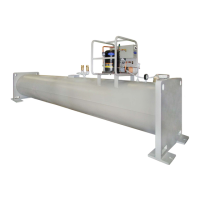
19XR
Positive Pressure Storage System
50/60 Hz


Questions and Answers

  • M
    Mandy WashingtonAug 8, 2025
    Why is my Carrier Storage compressor losing oil?
    • C
      Christopher BridgesAug 8, 2025
      If the Carrier Storage compressor is losing oil, there could be a leak in the system, so locate and repair the leak. Alternatively, the compressor oil return check valve may be plugged or stuck, requiring repair or replacement. Liquid refrigerant might be carrying oil out of the compressor, so check to ensure only refrigerant vapor enters the compressor suction line and add oil as necessary. The motor may have shut down due to the internal thermal protection high-temperature cutout. The high-temperature cutout should reset within 120 minutes.
  • M
    Michele BrennanAug 12, 2025
    What to do if the Carrier 19XR04027401 Storage compressor does not run?
    • C
      Christina FosterAug 12, 2025
      If the Carrier Storage compressor does not run, it could be due to several reasons. The main power line might be open, in which case you should replace the fuse or reset the circuit breaker. There may be a loose terminal connection, so check the connections. The controls could be improperly wired, so check the wiring and rewire if necessary. A low line voltage could be the cause; check the line voltage and determine the location of the voltage drop. The compressor motor may be defective, so check the motor winding for an open or short and replace the compressor if needed. The compressor might be seized, requiring replacement. Finally, a high-level gage alarm could be the reason, so check the refrigerant level and remove any excess.
  • J
    Joshua OrtegaAug 17, 2025
    What to do if Carrier 19XR04027401 compressor cycles on high-pressure control?
    • D
      davidwilliamsAug 17, 2025
      If your Carrier Storage compressor cycles on high-pressure control, it could be due to several reasons. The high-pressure control might be acting erratically; check the capillary tube for pinches and set the control as required. The discharge valve may be partially closed; open the valve. Air might be in the system, so purge the system. The condenser could be scaled, requiring cleaning. Finally, the condenser water pump or fans may not be operating; start the pump or fans.
  • T
    Tammy MartinAug 20, 2025
    How to fix system noises in Carrier 19XR04027401 Storage?
    • J
      Joseph MosleyAug 21, 2025
      If you are experiencing system noises in your Carrier Storage, it could be due to piping vibrations, so support the piping as required and check for loose pipe connectors. It could also be due to insufficient compressor oil, so add oil.
  • J
    Jerry MartinAug 26, 2025
    What to do if Carrier 19XR04027401 compressor does not run?
    • V
      Vanessa NelsonAug 26, 2025
      If the compressor of your Carrier Storage unit isn't running, several issues could be the cause. First, check if the main power line is open and replace the fuse or reset the circuit breaker. Also, check for loose terminal connections and ensure all wiring is correctly connected and rewired if necessary. Low line voltage can also prevent the compressor from running, so check the line voltage to determine where the voltage drop is occurring. If the motor is defective, check the motor winding for opens or shorts, and replace the compressor if needed. In case of a seized compressor, replacement is also necessary. Finally, a high refrigerant level can trigger an alarm, so check the refrigerant level and remove any excess.
  • R
    rgomezAug 30, 2025
    Why does my Carrier 19XR04027401 Storage compressor cycle on high-pressure control?
    • D
      David MitchellAug 30, 2025
      The cycling of your Carrier Storage compressor on high-pressure control can stem from several reasons. The high-pressure control itself might be acting erratically; in this case, inspect the capillary tube for any pinches and adjust the control as needed. A partially closed discharge valve can also cause this issue, so ensure the valve is fully open. The presence of air within the system can lead to cycling, requiring you to purge the system. Additionally, a scaled condenser can impede performance, so clean the condenser thoroughly. Finally, ensure the condenser water pump or fans are operating to maintain proper cooling.
  • S
    Sherri GarciaSep 2, 2025
    What to do if Carrier 19XR04027401 Storage compressor loses oil?
    • K
      kiaranormanSep 2, 2025
      If your Carrier Storage compressor is losing oil, here's what you should investigate: * Check for any leaks in the system and repair them. * Inspect the compressor oil return check valve for blockages or sticking, and repair or replace it as necessary. * Ensure that only refrigerant vapor enters the compressor suction line to prevent liquid refrigerant from carrying oil out of the compressor; add oil as needed. * If the motor shuts down due to high temperature cutout, it should reset within 120 minutes.

Carrier 19XR04027401 Specifications

General IconGeneral
BrandCarrier
Model19XR04027401
CategoryStorage
LanguageEnglish

Related product manuals