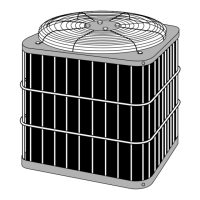
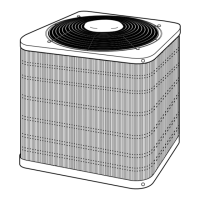
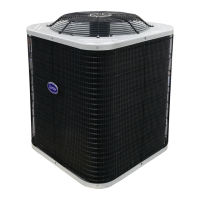
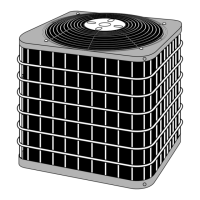
This document serves as a comprehensive guide for operating and maintaining a residential central air conditioning unit, designed to ensure efficient home cooling comfort. It emphasizes safety, proper usage, and routine maintenance to maximize the unit's lifespan and performance.
The central air conditioner is designed to provide efficient cooling for residential spaces. It operates as a split-system, consisting of an indoor unit and an outdoor unit, both containing coils and interconnected by refrigerant tubes. The system works by removing heat and humidity from your home, circulating cool air, and maintaining a comfortable indoor temperature.
Key usage features include:
- Thermostat Control: The system is primarily controlled by an indoor thermostat, which acts as the central command. Most thermostats feature a temperature control selector, a FAN control, and a SYSTEM or MODE control.
- Temperature Control Selector: This allows you to set your desired indoor temperature. Some thermostats may have separate selectors for cooling and heating.
- FAN Control: Offers "AUTO" and "ON" options. In "AUTO" mode, the blower runs only when the thermostat is actively operating the cooling or heating equipment. In "ON" mode, the blower runs continuously, regardless of whether the cooling or heating equipment is active. Running the fan continuously can help minimize temperature differences throughout the house and improve air circulation.
- SYSTEM/MODE Control: Typically includes "COOL," "OFF," and "HEAT" selections. Some thermostats also offer an "AUTO" selection, which allows for automatic changeover between cooling and heating based on indoor temperature.
- Programmable vs. Non-Programmable Thermostats:
- Non-Programmable Thermostats: Maintain a consistent temperature setting without daily or weekly variations unless manually changed.
- Programmable Thermostats: Allow users to preset various daily temperature changes, which can lead to energy savings by adjusting temperatures when the home is unoccupied or during sleeping hours.
- Cooling Mode Operation: When set to "COOL," the air conditioner runs until the indoor temperature reaches the selected level. On hotter days, the unit will run for longer periods with shorter off cycles. Factors like frequently opened doors, operating laundry appliances, running showers, more occupants, or excessive electric lights can increase the heat and humidity load, causing the unit to work longer.
- Humidity Removal: The system actively removes humidity from your home during the cooling season. You should observe water trickling from the condensate drain of the cooling coil during operation, indicating proper function. Regular checks of the drain system are recommended to ensure it's not clogged.
- Zoning Systems: Some systems may be equipped with zoning, allowing individual temperature control in different areas of the home.
- Outdoor Temperature Limitations: The unit should not be operated when outdoor temperatures are below 55°F.
Maintenance features are crucial for the longevity and efficiency of your air conditioning unit:
- Safety Precautions: Before performing any maintenance, it is critical to disconnect all electrical power to both the indoor and outdoor units. There may be more than one electrical disconnect switch. Exercise caution when handling parts or reaching into the unit due to potential sharp edges.
- Air Filter Inspection and Replacement/Cleaning: This is one of the most important routine maintenance tasks. A dirty air filter significantly increases strain on the compressor and blower motor, leading to higher operating costs, reduced efficiency, and a shorter unit lifespan. Filters should be checked every 3 to 4 weeks.
- Disposable Filters: Replace with new filters of similar dimensions when necessary.
- Reusable/Permanent Filters: Wash with cold water and mild detergent, rinse thoroughly, and dry completely before reinstallation. Having an extra filter on hand allows for rotation and minimizes system downtime.
- Filter Location: In fan coil units, the filter is typically located where the unit connects to the return-air duct or plenum. For gas or oil furnaces, refer to the furnace's user manual. If the indoor fan coil is in the attic, the filter might be behind the return air grille.
- Electronic Air Cleaners: Refer to their specific user manual for cleaning instructions.
- Indoor Coil Cleaning: If the indoor coil has been operated with a clean filter, it should require minimal cleaning. If cleaning is needed, it should be performed by a qualified dealer, as it may involve detergent solutions and water rinsing, potentially requiring coil removal. Users should not attempt this themselves.
- Outdoor Coil Maintenance:
- Clearance: Ensure unrestricted airflow around the outdoor unit. Keep grass clippings, leaves, shrubs, and other debris away from and off the unit. Maintain a minimum 12-inch clearance from tall grass, vines, and shrubs.
- Base Pan Cleaning: Periodically remove debris from the base pan to ensure proper drainage.
- Surface Cleaning: If the outdoor coil becomes dirty, use a vacuum cleaner with a soft brush attachment to clean the exterior surface, moving the vacuum up and down. Be careful not to bend or damage the coil fins.
- Deep Cleaning: For deep dirt in the coil, contact your dealer for service, as it may require disconnecting the fan motor and removing the top panel.
- Sea Coast Maintenance: For units located near the ocean, additional maintenance is required due to corrosive salt mist. Periodically washing all exposed surfaces and the coil (approximately every 3 months) can extend the unit's life. Consult your installer for specific intervals and procedures.
- Unit Support: The outdoor unit should be maintained in a level position. If it shifts or settles, it should be re-leveled promptly to ensure proper water drainage and prevent water or ice accumulation beneath the unit.
- Regular Dealer Maintenance: In addition to routine user maintenance, a properly trained service technician should inspect the system regularly (preferably annually, but at least every other year). This inspection should include:
- Inspection and replacement/cleaning of air filter(s).
- Inspection and cleaning of the blower wheel, housing, and motor.
- Inspection and cleaning of indoor and outdoor coils.
- Inspection of the indoor coil drain pan, primary and secondary drain lines, and auxiliary drain pan and line (if supplied), with cleaning if required.
- Checking all electrical wiring and connections.
- Checking for secure physical connections of individual components.
- Operational check of the air conditioning system to determine actual working condition, with necessary repairs or adjustments.
- Servicing dealers may offer economical service contracts for seasonal inspections.
Before requesting a service call, users are advised to check for common issues:
- Verify indoor and outdoor disconnect switches are ON and circuit breakers are not tripped or fuses blown.
- Ensure sufficient airflow by checking air filters for dirt and confirming return-air or supply-air registers are open and unobstructed.
- Confirm thermostat settings: temperature selector below room temperature for cooling, SYSTEM/MODE set to COOL or AUTO; FAN control set to ON for continuous blower operation or AUTO for operation only with cooling/heating.
If the system still fails to operate after these checks, turn it off and contact your servicing dealer, providing the apparent problem and the unit's model and serial numbers for efficient troubleshooting.



 Need help?
 General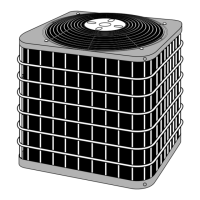

 To Next Page