EasyManua.ls Logo

Carrier 38MHRBQ12AA1 - User Manual

Carrier 38MHRBQ12AA1
74 pages
Print Icon
To Next Page IconTo Next Page
Loading...
Service Manual
38MHRB
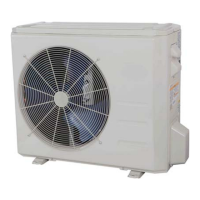
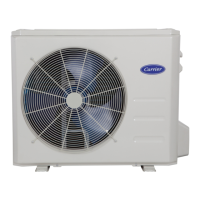
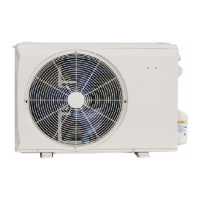
Outdoor Unit Single Zone Ductless System
Sizes 09 to 24
TABLE OF CONTENTS
PAGE
SAFETY CONSIDERATIONS 1.........................
INTRODUCTION 1...................................
MODEL/SERIAL NUMBER NOMENCLATURES 2.........
SPECIFICATIONS 3...................................
DIMENSIONS 5.....................................
CLEARANCES 8.....................................
ELECTRICAL DATA 9................................
WIRING 9...........................................
CONNECTION DIAGRAMS 10.........................
WIRING DIAGRAMS 11...............................
REFRIGERATION CYCLE DIAGRAMS 17................
REFRIGERANT LINES 18.............................
SYSTEM EVACUATION AND CHARGING 19.............
ELECTRONIC FUNCTIONS 18.........................
TROUBLESHOOTING 23..............................
OUTDOOR UNIT DIAGNOSTIC GUIDES 24..............
PCB DIAGRAMS 25..................................
DIAGNOSIS AND SOLUTION 27.......................
DISASSEMBLY INSTRUCTIONS 48.....................
APPENDIX 71.......................................
SAFETY CONSIDERATIONS
Installing, starting up, and servicing air−conditioning equipment
can be hazardous due to system pressures, electrical components,
and equipment location (roofs, elevated structures, etc.).
Only trained, qualified installers and service mechanics should
install, start−up, and service this equipment.
Untrained personnel can perform basic maintenance functions such
as cleaning coils. All other operations should be performed by
trained service personnel.
When working on the equipment, observe precautions in the
literature and on tags, stickers, and labels attached to the
equipment.
Follow all safety codes. Wear safety glasses and work gloves. Keep
quenching cloth and fire extinguisher nearby when brazing. Use
care in handling, rigging, and setting bulky equipment.
Read this manual thoroughly and follow all warnings or cautions
included in literature and attached to the unit. Consult local building
codes and National Electrical Code (NEC) for special requirements.
Recognize safety information. This is the safety−alert symbol
!
!
.
When you see this symbol on the unit and in instructions or manuals,
be alert to the potential for personal injury. Understand these signal
words: DANGER, WARNING, and CAUTION.
These words are used with the safety−alert symbol. DANGER
identifies the most serious hazards which will result in severe
personal injury or death. WARNING signifies hazards which
could result in personal injury or death. CAUTION is used to
identify unsafe practices which may result in minor personal injury
or product and property damage. NOTE is used to highlight
suggestions which will result in enhanced installation, reliability, or
operation.
!
WARNING
ELECTRICAL SHOCK HAZARD
Failure to follow this warning could result in personal
injury or death.
Before installing, modifying, or servicing system, main
electrical disconnect switch must be in the OFF
position. There may be more than 1 disconnect switch.
Lock out and tag switch with a suitable warning label.
EXPLOSION HAZARD
Failure to follow this warning could
result in death, serious personal injury,
and/or property damage.
Never use air or gases containing
oxygen for leak testing or operating
refrigerant compressors. Pressurized
mixtures of air or gases containing
oxygen can lead to an explosion.
!
WARNING
CAUTION
!
EQUIPMENT DAMAGE HAZARD
Failure to follow this caution may result in equipment
damage or improper operation.
Do not bury more than 36 in. (914 mm) of refrigerant pipe
in the ground. If any section of pipe is buried, there must be
a 6 in. (152 mm) vertical rise to the valve connections on
the outdoor units. If more than the recommended length is
buried, refrigerant may migrate to the cooler buried section
during extended periods of system shutdown. This causes
refrigerant slugging and could possibly damage the
compressor at start−up.
INTRODUCTION
This Service Manual provides the necessary information to service,
repair, and maintain the outdoor units. Section 2 of this manual has
an appendix with data required to perform troubleshooting. Use the
Table of Contents to locate a desired topic.

Table of Contents

Other manuals for Carrier 38MHRBQ12AA1

Question and Answer IconNeed help?

Do you have a question about the Carrier 38MHRBQ12AA1 and is the answer not in the manual?

Summary

Safety Considerations and Hazards

Signal Words: DANGER, WARNING, CAUTION

Defines safety signal words for personal injury and property damage.

Electrical Shock Hazard Warning

Warning about severe personal injury or death from electrical shock.

Explosion Hazard Warning

Warning about severe injury or death from explosive gas mixtures.

Equipment Damage Hazard Caution

Caution regarding damage or improper operation due to installation.

System Evacuation and Charging Procedures

Caution: Unit Damage Hazard

Warning against using the system compressor as a vacuum pump.

Deep Vacuum Method

Procedure for achieving a deep vacuum (500 microns).

Triple Evacuation Method

Step-by-step process for triple evacuation.

Final Tubing Check

Important checks for tubing integrity before operation.

Troubleshooting Safety Precautions

Capacitor Safety Warning

High voltage warning regarding electrolytic capacitors.

Discharging Capacitors

Procedure for safely discharging capacitors.

Outdoor Unit Diagnostic Codes

Table 16: Diagnostic Guides

Mapping of operation lamps, timer lamps to LED status codes.

Diagnosis and Solutions for Errors

EEPROM Parameter Error (E0;F4)

Troubleshooting steps for EEPROM parameter errors.

Indoor and Outdoor PCB Images

Visual reference for indoor and outdoor PCBs.

Diagnosis and Solutions for Communication Errors

Communication Error (E1)

Troubleshooting for indoor/outdoor unit communication failures.

Diagnosis and Solutions for Electrical Checks

Testing DC Voltage Between L2 and S Ports

Procedure to test DC voltage for troubleshooting.

Testing Reactor Resistance

Procedure to measure the resistance of the reactor.

Diagnosis and Solutions for Zero Crossing Errors

Zero Crossing Detection Error (E2)

Troubleshooting steps for zero crossing signal errors.

Diagnosis and Solutions for Fan Speed Errors

Fan Speed Out of Control (E3;F5)

Troubleshooting for issues with indoor fan speed control.

Diagnosis and Solutions for Fan Motor Issues

DC Fan Motor Voltage Checks

Procedures for checking DC fan motor voltage inputs/outputs.

Outdoor DC Fan Motor Troubleshooting

Checking outdoor DC fan motor and PCB.

Indoor AC Fan Motor Troubleshooting

Checking indoor AC fan motor voltage.

Diagnosis and Solutions for Sensor Errors

Temperature Sensor Open;Short Circuit (E4;E5;F1;F2;F3)

Troubleshooting for temperature sensor circuit errors.

Figure 35: Checking Sensor Connection

Image demonstrating how to check sensor connections.

Diagnosis and Solutions for Refrigerant Leaks

Refrigerant Leakage Detection (EC)

Troubleshooting for refrigerant leakage detection.

Diagnosis and Solutions for Overload Current

Overload Current Protection (F0)

Troubleshooting steps for overload current protection.

Diagnosis and Solutions for IPM Malfunction

IPM Malfunction; IGBT Protection (P0)

Troubleshooting for IPM malfunction or IGBT over-strong current.

Diagnosis and Solutions: IPM Testing (P-U, P-V)

Figure 36: IPM P-U Testing

Procedure for testing IPM P-U connection.

Figure 37: IPM P-V Testing

Procedure for testing IPM P-V connection.

Diagnosis and Solutions: IPM Testing (P-W, N-U)

Figure 38: IPM P-W Testing

Procedure for testing IPM P-W connection.

Figure 39: IPM N-U Testing

Procedure for testing IPM N-U connection.

Diagnosis and Solutions: IPM Testing (N-V, N-W)

Figure 40: IPM N-V Testing

Procedure for testing IPM N-V connection.

Figure 41: IPM N-W Testing

Procedure for testing IPM N-W connection.

Diagnosis and Solutions for Voltage Protection

Over;Under Voltage Protection (P1)

Troubleshooting for over or under voltage protection.

Figure 42: Voltage Protection Test

Procedure to test for voltage protection issues.

Diagnosis and Solutions for Compressor Temperature Protection

High Temperature Protection (P2)

Troubleshooting high temperature protection of compressor top.

Diagnosis and Solutions for Inverter Compressor Errors

Inverter Compressor Drive Error (P4)

Troubleshooting for inverter compressor drive errors.

Diagnosis and Solutions: Main Parts Check

Diagnosis and Solutions: Compressor Checking

Diagnosis and Solutions: IPM and Fan Motor Checks

Summary

Safety Considerations and Hazards

Signal Words: DANGER, WARNING, CAUTION

Defines safety signal words for personal injury and property damage.

Electrical Shock Hazard Warning

Warning about severe personal injury or death from electrical shock.

Explosion Hazard Warning

Warning about severe injury or death from explosive gas mixtures.

Equipment Damage Hazard Caution

Caution regarding damage or improper operation due to installation.

System Evacuation and Charging Procedures

Caution: Unit Damage Hazard

Warning against using the system compressor as a vacuum pump.

Deep Vacuum Method

Procedure for achieving a deep vacuum (500 microns).

Triple Evacuation Method

Step-by-step process for triple evacuation.

Final Tubing Check

Important checks for tubing integrity before operation.

Troubleshooting Safety Precautions

Capacitor Safety Warning

High voltage warning regarding electrolytic capacitors.

Discharging Capacitors

Procedure for safely discharging capacitors.

Outdoor Unit Diagnostic Codes

Table 16: Diagnostic Guides

Mapping of operation lamps, timer lamps to LED status codes.

Diagnosis and Solutions for Errors

EEPROM Parameter Error (E0;F4)

Troubleshooting steps for EEPROM parameter errors.

Indoor and Outdoor PCB Images

Visual reference for indoor and outdoor PCBs.

Diagnosis and Solutions for Communication Errors

Communication Error (E1)

Troubleshooting for indoor/outdoor unit communication failures.

Diagnosis and Solutions for Electrical Checks

Testing DC Voltage Between L2 and S Ports

Procedure to test DC voltage for troubleshooting.

Testing Reactor Resistance

Procedure to measure the resistance of the reactor.

Diagnosis and Solutions for Zero Crossing Errors

Zero Crossing Detection Error (E2)

Troubleshooting steps for zero crossing signal errors.

Diagnosis and Solutions for Fan Speed Errors

Fan Speed Out of Control (E3;F5)

Troubleshooting for issues with indoor fan speed control.

Diagnosis and Solutions for Fan Motor Issues

DC Fan Motor Voltage Checks

Procedures for checking DC fan motor voltage inputs/outputs.

Outdoor DC Fan Motor Troubleshooting

Checking outdoor DC fan motor and PCB.

Indoor AC Fan Motor Troubleshooting

Checking indoor AC fan motor voltage.

Diagnosis and Solutions for Sensor Errors

Temperature Sensor Open;Short Circuit (E4;E5;F1;F2;F3)

Troubleshooting for temperature sensor circuit errors.

Figure 35: Checking Sensor Connection

Image demonstrating how to check sensor connections.

Diagnosis and Solutions for Refrigerant Leaks

Refrigerant Leakage Detection (EC)

Troubleshooting for refrigerant leakage detection.

Diagnosis and Solutions for Overload Current

Overload Current Protection (F0)

Troubleshooting steps for overload current protection.

Diagnosis and Solutions for IPM Malfunction

IPM Malfunction; IGBT Protection (P0)

Troubleshooting for IPM malfunction or IGBT over-strong current.

Diagnosis and Solutions: IPM Testing (P-U, P-V)

Figure 36: IPM P-U Testing

Procedure for testing IPM P-U connection.

Figure 37: IPM P-V Testing

Procedure for testing IPM P-V connection.

Diagnosis and Solutions: IPM Testing (P-W, N-U)

Figure 38: IPM P-W Testing

Procedure for testing IPM P-W connection.

Figure 39: IPM N-U Testing

Procedure for testing IPM N-U connection.

Diagnosis and Solutions: IPM Testing (N-V, N-W)

Figure 40: IPM N-V Testing

Procedure for testing IPM N-V connection.

Figure 41: IPM N-W Testing

Procedure for testing IPM N-W connection.

Diagnosis and Solutions for Voltage Protection

Over;Under Voltage Protection (P1)

Troubleshooting for over or under voltage protection.

Figure 42: Voltage Protection Test

Procedure to test for voltage protection issues.

Diagnosis and Solutions for Compressor Temperature Protection

High Temperature Protection (P2)

Troubleshooting high temperature protection of compressor top.

Diagnosis and Solutions for Inverter Compressor Errors

Inverter Compressor Drive Error (P4)

Troubleshooting for inverter compressor drive errors.

Diagnosis and Solutions: Main Parts Check

Diagnosis and Solutions: Compressor Checking

Diagnosis and Solutions: IPM and Fan Motor Checks

Carrier 38MHRBQ12AA1 Specifications

General IconGeneral
Model38MHRBQ12AA1
Seasonal Energy Efficiency Ratio (SEER)22
Heating Seasonal Performance Factor (HSPF)10
RefrigerantR-410A
Voltage208/230 V
Phase1
Compressor TypeInverter
Operating Temperature (Cooling)5°F to 122°F
TypeMini Split Air Conditioner
Cooling Capacity12000 BTU/h
Warranty5 years on parts
Voltage (V)208/230
Width (in)31.5
Power SupplyOutdoor Unit

Related product manuals