PREFLIGHT TEST SEQUENCE
CENTURY 2000 PREFLIGHT PROCEDURES FOR
“A” MOD. CENTURY 2000 SINGLE AXIS
NOTE
During system functional check the system must be provided adequate D.C.
voltage (12.0 VDC or 24 VDC min.) and instrument air (4.2 in. Hg. Min.). It is
recommended that the engine be operated to provide the necessary power and
that the aircraft be positioned in a level attitude, during the functional check.
1. Engage autopilot.
2. Move the heading bug left and right of the lubberline. Observe that the
control wheel moves in the direction of the heading bug displacement.
3. Grasp the control wheel and override roll servo to assure override
capability.
4. Hold control wheel and disengage autopilot. Check control through full
travel to assure complete autopilot disengagement.
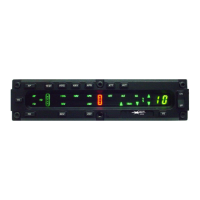
5. With autopilot OFF, press and hold TST switch. All available mode
annunciators shall illuminate.
CAUTION
Any failure of the above procedures indicates that a failure exists in the
system and the system shall not be operated until the failure has been
located and corrected.
CAUTION
Check the elevator trim setting before takeoff.
LATERAL OPERATING MODES
HEADING - In HDG mode the autopilot will
capture and hold the heading selected on the
DG or HSI. HDG annunciator will illuminate.
NAVIGATION - In NAV mode the autopilot has an
automatic 45 degree VOR-LOC intercept angle.
Selected angle intercepts are available when the
system is equipped with NSD-360A, NSD-1000 or
other HSI.
When executing an intercept, the rate at which the aircraft is closing upon
the selected radio-defined course is determined by the computer and at
the proper time an on-course turn is initiated. thirty-five seconds after the
on-course turn the computer will reduce its bank limits to 13 degrees.
After 70 seconds the bank limits will be reduced to 8 degrees to produce a
‘soft’ navigation mode when tracking a VOR signal. The system will
remain in ‘soft’ mode during station passage. However, if a new course
which requires re-intercept is selected, the ‘soft’ mode will unlock and the
intercept sequence will reoccur.
NOTES
The NAV mode should be used when executing a holding pattern on the
localizer to prevent automatic glideslope coupling.
When radio receiver is tuned to a localizer frequency, the coupler will
operate with localizer (APR) dynamics in the NAV mode.
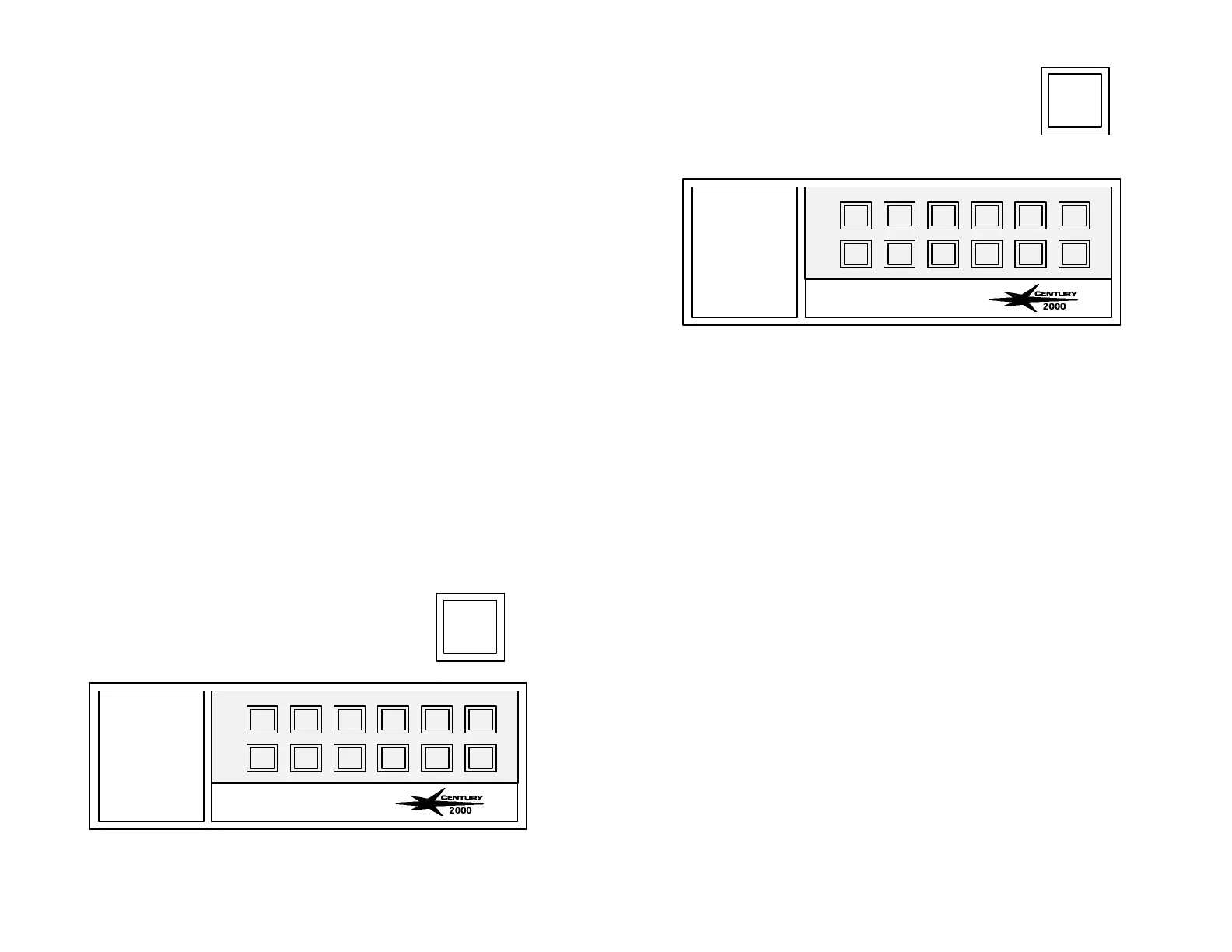
HDG
NAV
ON HDG NAV APR
REV DN
OFF TST FD YD ALT UP
AP
NAV
ON HDG NAV APR
REV DN
OFF TST FD YD ALT UP
HDGAP
13 14


 To Next Page