5
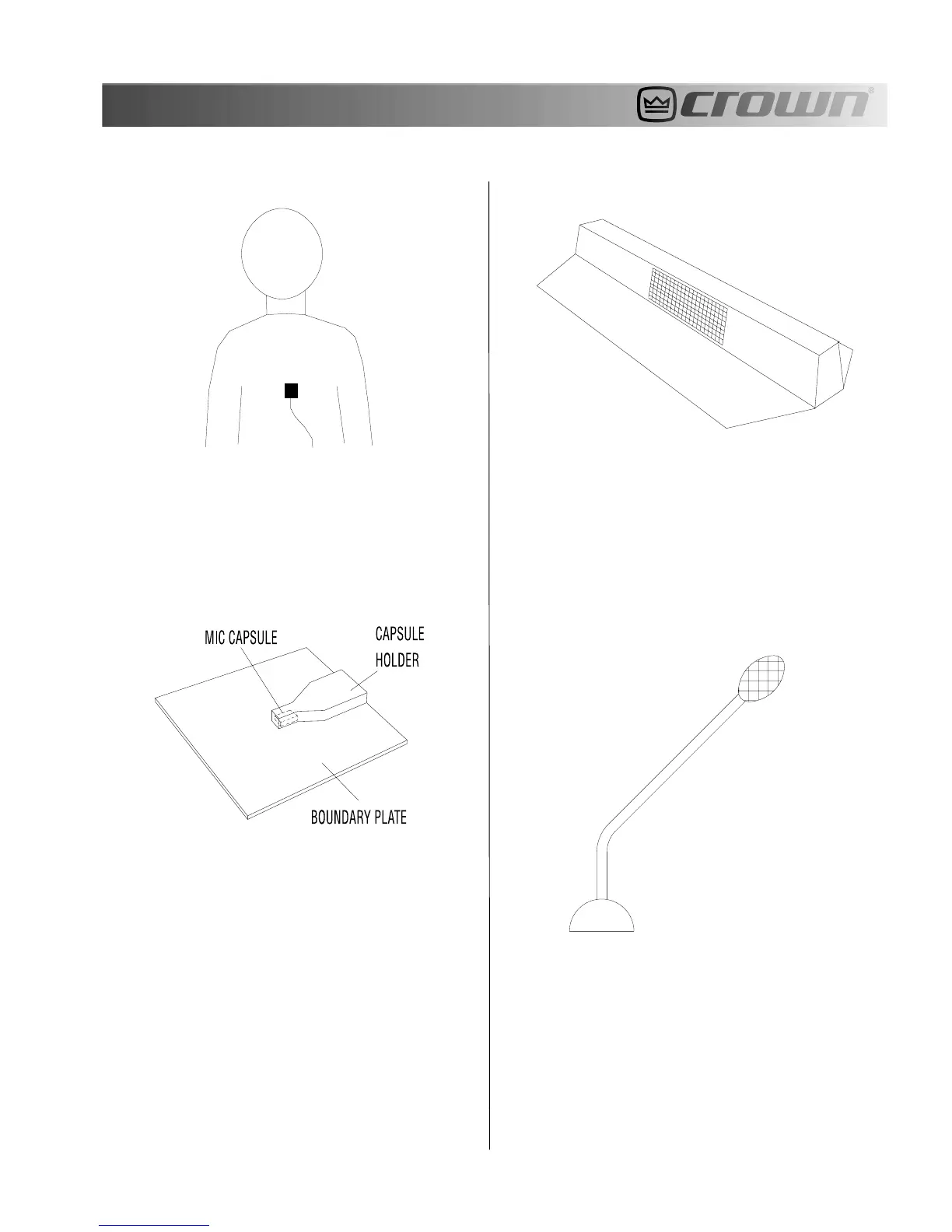
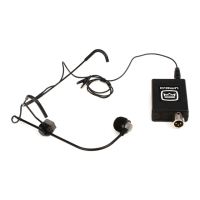
Fig. 8 – Lavalier microphone.
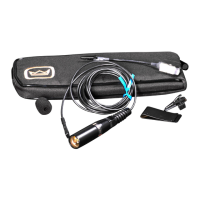
Lavalier (Figure 8). A miniature microphone which
you clip onto the clothing of the person speaking.
Two examples are the Crown GLM-100 (omni) and
GLM-200 (hypercardioid).
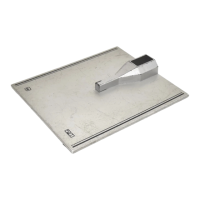
Fig. 9 – Boundary microphone.
Boundary (Figure 9). Boundary microphones are
meant to be used on large surfaces such as stage
floors, piano lids, hard-surfaced panels, or walls.
Boundary mics are specially designed to prevent
phase interference between direct and relected
sound waves, and have no off-axis coloration. Free-
field microphones are meant to be used away from
surfaces, say for up-close miking.
Crown Pressure Zone Microphones
®
(PZMs
®
) and
Phase Coherent Cardioids
®
(PCCs
®
) are boundary
microphones; Crown GLMs, CMs, and
LMs are free-field microphones.
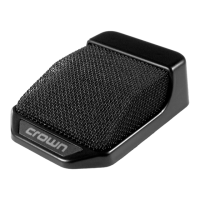
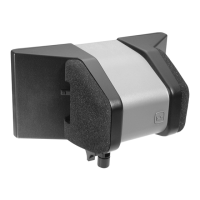
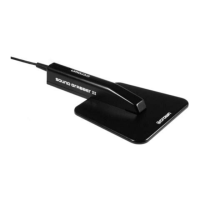
Fig. 10 – Unidirectional boundary microphone.
The PCC (Figure 10) is a unidirectional boundary
microphone. When you place it on a surface, it has
a half-supercardioid polar pattern. The rugged PCC-
160 is especially useful for stage-floor pickup of
drama and musicals; the PCC-170 has a sleeker look
for miking a group discussion at a conference table.
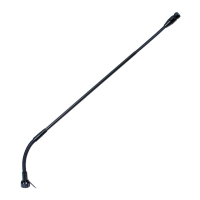
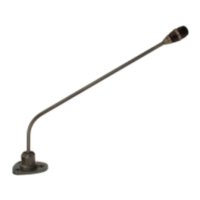
Fig. 11 – Lectern microphone
Lectern A lectern microphone (Figure 11) is de-
signed to mount on a lectern or pulpit. For example,
the Crown LM-300A and LM-300AL are slim, el-
egant units that plug into an XLR connector in the
lectern. The LM-301A screws onto a mic stand or
desk stand. Each has a silent-operating gooseneck.
The Crown LM-201 mounts permanently on the lec-
tern, and has a rugged ball-and-socket swivel that
adjusts without any creaking.


 To Next Page