MAINTENANCE
37
Using A Hydrometer
5. Draw electrolyte into the hydrometer
several times to permit the thermome-
ter to adjust to the electrolyte tempera-
ture and note the reading. Examine
the color of the electrolyte. A brown or
gray coloration indicates a problem
with the battery and is a sign that the
battery is nearing the end of its life.
6. Draw the minimum quantity of electro-
lyte into the hydrometer to permit the
float to float freely without contacting
the top or bottom of the cylinder.
7. Hold the hydrometer in a vertical posi-
tion at eye level and note the reading
where the electrolyte meets the scale
on the float.
8. Add or subtract four points (.004) to
the reading for every 10° F (6° C) the
electrolyte temperature is above or
below 80° F (27° C). Adjust the read-
ing to conform with the electrolyte tem-
perature, e.g., if the reading indicates
a specific gravity of 1.250 and the
electrolyte temperature is 90° F (32°
C), add four points (.004) to the 1.250
which gives a corrected reading of
1.254. Similarly if the temperature was
70° F (21° C), subtract four points
(.004) from the 1.250 to give a cor-
rected reading of 1.246.
9. Test each cell and note the readings
(corrected to 80° F or 27° C). A varia-
tion of fifty points between any two cell
readings (example 1.250 - 1.200) indi-
cates a problem with the low reading
cell(s).
As a battery ages the specific gravity of the
electrolyte will decrease at full charge. This
is not a reason to replace the battery pro-
viding all cells are within fifty points of each
other.
Since the hydrometer test is in response to
a vehicle exhibiting a performance problem,
the vehicle should be recharged and the
test repeated. If the results indicate a weak
cell, the battery or batteries should be
removed and replaced with a good battery
of the same brand, type and approximate
age.
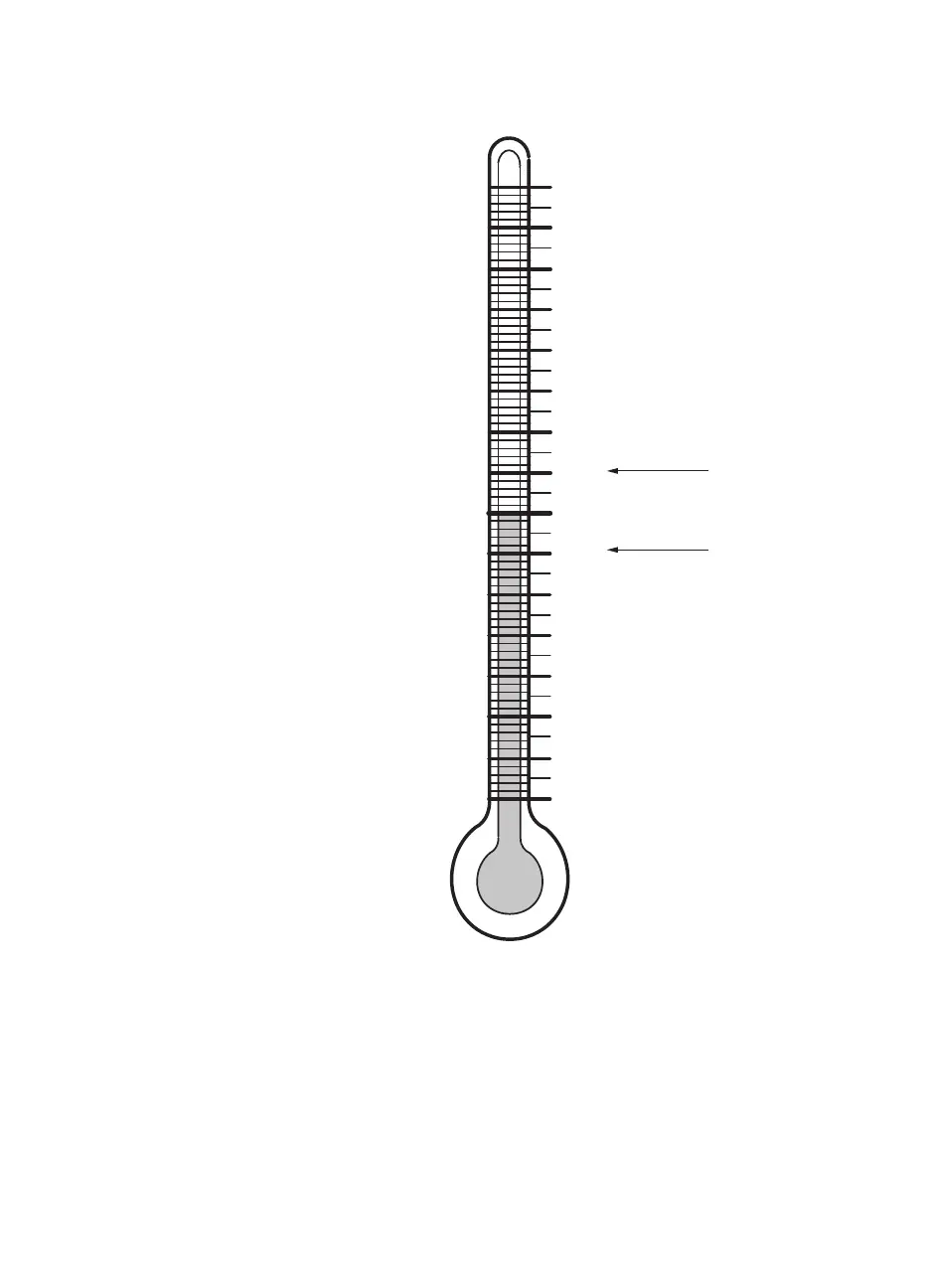
Hydrometer Temperature Correction
°F °C
160 71
150 65
140 60
130 54
120 49
110 43
100 37
90 32
80 26
70 21
60 15
50 10
40 4
30 -1
20 -6
10 -12
+.032
+.028
+.024
+.020
+.016
+.012
+.008
+.004
0
-.004
-.008
-.012
-.016
-.020
-.024
-.028
+.030
+.026
+.022
+.018
+.014
+.010
+.006
+.002
-.002
-.006
-.010
-.014
-.018
-.022
-.026
EXAMPLE #1
ELECTROLYTE TEMPERATURE
Above 80 °F (27 °C)
AMBIENT TEMPERATURE
Above 80 °F (27 °C)
ELECTROLYTE TEMPERATURE
Above 90 °F (32 °C)
HYDROMETER READING 1.250
1.250 + .004 = 1.254
CORRECTED SPECIFIC GRAVITY
READING
EXAMPLE #2
ELECTROLYTE TEMPERATURE
Above 80 °F (27 °C)
AMBIENT TEMPERATURE
Above 80 °F (27 °C)
ELECTROLYTE TEMPERATURE
Above 70 °F (21 °C)
HYDROMETER READING 1.250
1.250 - .004 = 1.246
CORRECTED SPECIFIC GRAVITY
READING
ELECTROLYTE
TEMPERATURE


 To Next Page