EasyManua.ls Logo

Duncan Apollo Jazz Bass - neck - User Manual

Duncan Apollo Jazz Bass - neck
2 pages
Print Icon
To Next Page IconTo Next Page
Loading...
Wiring Diagrams for
Pickup Models:
5427 hollister avenue, Santa Barbara, CA 93111
805.964.9610 • seymourduncan.com
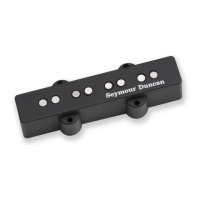
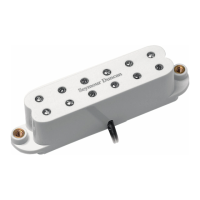
Apollo Jazz Bass - neck
Apollo Jazz Bass - bridge
Apollo Jazz Bass - set
Apollo Jazz Bass - neck 67mm 5 strg
Apollo Jazz Bass - bridge 70mm 5 strg
Apollo Jazz Bass - set 67/70 5 strg
Apollo Jazz Bass - neck 70mm 5 strg
Apollo Jazz Bass - bridge 74mm 5 strg
Apollo Jazz Bass - set 70/74 5 strg
The basic steps for installation include:
1. Remove the strings from your bass.
2. Remove the control plate and flip it over.
3. De-solder the original pickup’s wires from the controls and
make sure to remember where they were connected.
4. Remove the pickup from the pickup cavity.
5. If the foam in the cavity of your bass has degraded, then
replace it with the foam included with your pickups.
6. Put your SD bass pickup into the pickup cavity.
7. Tin the wires from the SD bass pickup, and then solder them
into place.
8. Replace the control plate.
9. Re-string your bass, and adjust the pickup to string distance
to about 1/8” for the bridge and 3/16” for the neck.
Seymour Duncan
Solder
Solder
Tip (hot output)
Output Jack
.047
cap
Solder
Neck
Volume
250k
Bridge
Volume
250k
Master
Tone
250k
Sleeve (ground).
The inner, circular
portion of the jack
Solder
Solder
Tip (hot output)
Output Jack
.047
cap
Solder
Neck
Volume
250k
Bridge
Volume
250k
Master
Tone
250k
Sleeve (ground).
The inner, circular
portion of the jack
Visit seymourduncan.com for additional wiring diagrams.
Wiring for Apollo Jazz Bass 5 String
Wiring for Apollo Jazz Bass 4 String
P/N 501030-135
Jazz Bass and Fender are registered trademarks of FMIC, with which Seymour Duncan is not affiliated
Seymour Duncan
Seymour Duncan
Seymour Duncan
Bare +
Ground
White
White
White
Bare +
Ground
Bare +
Ground
Bare +
Ground
White
Congratulations on your purchase of a fine, hand-built,
Seymour Duncan bass guitar pickup! Installing this pickup
in your bass isn’t rocket science. And, if you’re already handy
with tools, it’ll be a snap for you,and fun too! But if you have
no experience handling red-hot soldering irons, you’d be
well advised to take your new pickup and your trusty
bass to a qualified guitar tech.
Question and Answer IconNeed help?

Do you have a question about the Duncan Apollo Jazz Bass - neck and is the answer not in the manual?

Summary

Apollo Jazz Bass Wiring Diagrams

Apollo Jazz Bass 4 String Wiring

Wiring diagram for the Apollo Jazz Bass 4 String pickup model.

Apollo Jazz Bass 5 String Wiring

Wiring diagram for the Apollo Jazz Bass 5 String pickup model.

Quarter Pound P-Bass Wiring Diagrams

Quarter Pound P-Bass 5 String Wiring

Wiring diagram for the Quarter Pound P-Bass® 5 String pickup model.

Overview

This document provides comprehensive wiring diagrams and installation instructions for Seymour Duncan bass guitar pickups, specifically for Apollo Jazz Bass (4-string and 5-string) and Quarter Pound P-Bass (5-string) models. It serves as a guide for both novice and experienced users, ensuring proper installation and optimal performance of the pickups.

Function Description

Seymour Duncan bass guitar pickups are designed to capture the vibrations of bass guitar strings and convert them into an electrical signal, which is then amplified and sent to an amplifier. These hand-built pickups are engineered to enhance the tonal characteristics of a bass guitar, offering improved clarity, punch, and overall sound quality. The Apollo Jazz Bass pickups are tailored for the Jazz Bass style, known for its versatile and articulate sound, while the Quarter Pound P-Bass pickups are designed for the P-Bass style, renowned for its powerful and robust tone. By replacing stock pickups with Seymour Duncan models, bassists can achieve a more refined and professional sound, customized to their specific musical preferences. The wiring diagrams illustrate how to connect the pickups to the bass guitar's control system, including volume and tone pots, and the output jack, ensuring that the electrical signals are routed correctly for optimal sound reproduction. The instructions also cover the physical installation of the pickups into the bass guitar's body, addressing aspects such as foam placement and string clearance.

Usage Features

The installation process for Seymour Duncan bass guitar pickups is designed to be straightforward, though it requires some basic tools and a degree of manual dexterity. The manual emphasizes that while installing these pickups isn't "rocket science," individuals without experience in soldering or handling hot tools should consider seeking assistance from a qualified guitar technician. This recommendation highlights a key usage feature: accessibility for DIY enthusiasts with some experience, while also providing a clear guideline for those who might need professional help.

The basic steps for installation are clearly outlined, making the process manageable for users. These steps include:

  1. String Removal: The first step involves removing the strings from the bass, which is a standard procedure for any work on the instrument's body or electronics. This ensures unobstructed access to the pickup cavities and control plate.
  2. Control Plate Access: Users are instructed to remove the control plate and flip it over. This provides access to the existing wiring connections, which are crucial for the subsequent de-soldering and re-soldering steps.
  3. De-soldering Original Wires: A critical step is to de-solder the original pickup's wires from the controls. The manual stresses the importance of remembering where these wires were connected, as this information is vital for correctly wiring the new Seymour Duncan pickups. This feature underscores the need for careful observation and possibly note-taking during the process.
  4. Pickup Removal: Once the wires are disconnected, the original pickup can be removed from its cavity. This clears the space for the new pickup.
  5. Foam Replacement: The manual advises checking the condition of the foam in the pickup cavity. If the existing foam has degraded, it should be replaced with the foam included with the new Seymour Duncan pickups. This ensures proper height adjustment and vibration dampening for the new pickups.
  6. New Pickup Installation: The Seymour Duncan bass pickup is then placed into the pickup cavity. This step is typically a direct fit, as the pickups are designed to match standard bass guitar dimensions.
  7. Tinning and Soldering: The wires from the new SD bass pickup need to be tinned (coated with a thin layer of solder) before being soldered into place on the control pots and output jack. This step requires a soldering iron and solder, reinforcing the need for basic soldering skills. The wiring diagrams provided for Apollo Jazz Bass (4-string and 5-string) and Quarter Pound P-Bass (5-string) clearly illustrate the connection points for the "Bare + Ground" wire, "White" wire, and the output jack connections (sleeve for ground, tip for hot output). For the Apollo Jazz Bass, separate diagrams show connections for Neck Volume (250k), Bridge Volume (250k), and Master Tone (250k) pots, along with a .047 cap for the tone control. For the Quarter Pound P-Bass, a single Volume (250k) and Tone (250k) pot are shown, also with a .047 cap. The "Shield" connection is also indicated for the Quarter Pound P-Bass, providing additional grounding for noise reduction.
  8. Control Plate Replacement: After all connections are made and verified, the control plate is replaced, securing the electronics within the bass guitar.
  9. Re-stringing and Adjustment: The final steps involve re-stringing the bass and adjusting the pickup height. For Apollo Jazz Bass pickups, the recommended adjustment is about 1/8" for the bridge pickup and 3/16" for the neck pickup. For Quarter Pound P-Bass pickups, the recommendation is about 3/16" from the strings when they are pressed down at the highest fret on the neck. These adjustments are crucial for optimizing the pickup's output and tonal balance, allowing users to fine-tune their sound.

The detailed wiring diagrams are a key usage feature, providing visual guidance for each connection. They clearly label components such as volume pots, tone pots, capacitors, and the output jack, along with the specific wires from the pickups (Bare + Ground, White). The diagrams also show the ground wire from the bridge for the Quarter Pound P-Bass, which is essential for proper grounding and noise reduction. The visual nature of these diagrams simplifies the complex task of wiring, making it more accessible to users who might not be professional electricians.

Maintenance Features

While the manual primarily focuses on installation, several aspects can be inferred as contributing to the long-term maintenance and performance of the pickups:

  • Quality Construction: The phrase "fine, hand-built" implies a high standard of craftsmanship, suggesting that the pickups are durable and designed for longevity. This inherent quality reduces the likelihood of premature failure and the need for frequent repairs.
  • Foam Replacement: The instruction to replace degraded foam in the pickup cavity is a direct maintenance feature. Properly functioning foam ensures that the pickups are securely seated and at the correct height, which is vital for consistent sound quality and preventing damage from vibrations. This simple replacement can significantly extend the life and performance of both the pickups and the instrument.
  • Proper Wiring: Adhering to the detailed wiring diagrams and ensuring clean, secure solder joints is crucial for long-term reliability. Poorly soldered connections can lead to intermittent signal loss, noise, or complete failure, requiring troubleshooting and re-soldering. By following the instructions carefully during installation, users contribute to the overall electrical integrity and maintenance-free operation of their bass.
  • Pickup Height Adjustment: The final step of adjusting pickup height is not just for initial setup but also for ongoing maintenance of optimal sound. Over time, string action or personal preference might change, necessitating minor adjustments to the pickup height. This allows users to maintain their desired tone and output without needing to replace components.
  • Professional Assistance Recommendation: The advice to seek a "qualified guitar tech" for those uncomfortable with soldering is a preventative maintenance feature. It ensures that the installation is done correctly from the start, minimizing the risk of damage to the pickups or the bass due to improper handling or wiring. This proactive approach helps avoid costly repairs down the line.
  • Online Resources: The note "Visit seymourduncan.com for additional wiring diagrams" indicates an ongoing support and maintenance resource. Should users encounter issues or wish to explore different wiring configurations in the future, the website provides a valuable repository of information, extending the usability and maintainability of their Seymour Duncan products. This ensures that users have access to up-to-date information and troubleshooting guides.

In summary, the Seymour Duncan pickup manual provides a comprehensive guide for installing and maintaining their bass guitar pickups. It combines clear, step-by-step instructions with detailed wiring diagrams, making the process accessible while emphasizing the importance of careful execution. The focus on quality construction, proper installation techniques, and ongoing adjustment contributes to the long-term performance and enjoyment of these hand-built components.

Duncan Apollo Jazz Bass - neck Specifications

General IconGeneral
CategoryAccessories For Music Instruments
ModelApollo Jazz Bass
BrandDuncan
WoodMaple
Number of Frets20
TypeNeck
MaterialMaple
Scale Length34 inches
Nut Width1.5 inches

Related product manuals