The EasyLog EL-WiFi sensor is a cloud-based monitoring device designed to automate data logging and alert notifications, allowing users to monitor and manage multiple data logging devices remotely. It is suitable for both small-scale systems with a few measuring points and large corporate solutions with thousands of devices.
Function Description
The EL-WiFi sensor measures environmental parameters, such as temperature and humidity, and transmits this data to the EasyLog Cloud. This cloud platform provides a comprehensive solution for data management, analysis, and alerting. Key functions include:
- Multi-Sensor Data Viewing: Users can view data from multiple sensors simultaneously, providing a holistic overview of monitored environments.
- Multi-User Access: The system supports assigning access to multiple users, facilitating collaborative monitoring and management.
- Data Analysis and Export: EasyLog Cloud allows for detailed analysis of logged data and offers options to export data for further processing or reporting.
- Email Alerts: Users can set up email alerts for alarm conditions and status reports, ensuring timely notification of critical events.
- Daily Summary Emails: The system can broadcast daily summary emails, providing regular updates on sensor performance and environmental conditions.
- Remote Management: Devices can be managed and settings updated remotely through the EasyLog Cloud App or PC software.
Important Technical Specifications
While specific numerical technical specifications like measurement ranges or accuracy are not explicitly detailed in the provided pages, the manual highlights several important aspects:
- Connectivity: The device uses WiFi for data transmission to the EasyLog Cloud.
- Power Source: It is powered by a rechargeable battery and can be charged via a PC or USB charger using the provided USB cable.
- Firmware: The EasyLog Cloud App setup is applicable to V5 firmware and upwards, indicating ongoing firmware development and updates.
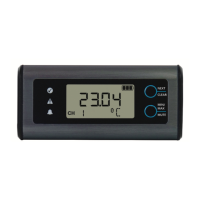
- Display: The sensor features a digital display showing current measurements (e.g., temperature in °C and humidity in %RH), battery status, and WiFi signal strength.
Usage Features
The EL-WiFi sensor is designed for ease of use, with a straightforward setup process and intuitive monitoring capabilities:
- Quick Start Guide: The device comes with a quick start guide outlining three easy steps to get started: charging, setup, and positioning.
- Charging: The sensor arrives partly charged and should be fully charged for 24 hours before initial use. It automatically recharges when connected to a power source. The display shows various battery states: solid bars for OK/Charged, flashing symbol for Low, and cycling bars for Charging.
- Setup Options:
- EasyLog Cloud App (Option 1): Users can sign up for an EasyLog Cloud account, install the app from the App Store or Google Play, and follow in-app instructions to connect the sensor. This method is compatible with V5 firmware and above.
- PC Software (Option 2): Alternatively, users can download and install the WiFi PC Software from the EasyLog Cloud website. This software allows for setup either "On The Cloud" for remote access or "On This PC" to store data locally. The PC software also facilitates sensor firmware updates, which are recommended for optimal performance.
- Positioning: When positioning the sensor, users are advised to press the button three times to check signal strength. Considerations for placement include avoiding local heat sources and radio obstructions. WiFi extenders can be used to increase network range if needed. The display provides visual cues for signal states: no icon for not set-up, flashing icon for trying to communicate, and solid icon for successfully communicated.
- User Interface: The device features a button for interaction, likely for cycling through display screens or initiating setup modes.
Maintenance Features
Maintenance aspects primarily focus on battery care and software/firmware updates:
- Battery Replacement: The rechargeable battery should only be replaced by the manufacturer. All internal components are non-serviceable. Users are advised to contact the manufacturer for battery replacement services.
- Firmware Updates: The PC software allows users to apply sensor firmware updates, ensuring the device operates with the latest features and improvements. Regular updates are recommended.
- Charging Guidelines: Only USB Power Adaptors or USB ports should be used for charging. It is not recommended to charge the battery when the unit is at 40°C (104°F) or above, though some products may have safety features to prevent this.
- Repair and Modification: Users are explicitly warned against attempting to repair or modify Lascar's products, as this can cause damage not covered under warranty. Servicing should only be provided by the manufacturer. Damaged products (e.g., submerged in water, punctured, seriously damaged) should not be used and should be returned to the manufacturer.
- Connector and Port Usage: Users should never force connectors into ports, ensuring proper alignment and checking for obstructions to prevent damage.
- Disposal and Recycling: Lascar's products, containing electronic components and lithium polymer batteries, must be disposed of according to relevant laws and regulations, separately from household waste.

 Need help?
 General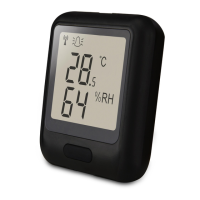

 To Next Page