EasyManua.ls Logo

Edgewater Networks 265CC - User Manual

Default Icon
36 pages
Print Icon
To Next Page IconTo Next Page
Loading...
Owner’s Manual
265CC
REVISED 6/23/05
Question and Answer IconNeed help?

Do you have a question about the Edgewater Networks 265CC and is the answer not in the manual?

Summary

General Information

1.1 General

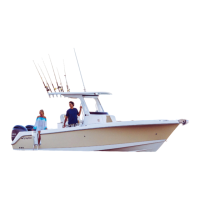
Vessel description as a semi-custom offshore fishing boat powered by dual outboards.

1.2 Owner; Operator Responsibilities

Covers boat registration, accident reporting, education, and required safety equipment.

Helm Control Systems

2.1 General

The helm station serves as the boat's control center for systems like steering and throttle.

2.2 Steering System

Details the hydraulic steering system, its components, and essential maintenance practices.

2.3 Engine Throttle and Shift Controls

Explanation of throttle and shift controls for managing engine speed and gear selection.

Propulsion System

3.1 General

Overview of dual outboard propulsion, oil systems for 2-cycle engines, and general care.

3.2 Engine Cooling System

Importance of maintaining clear water intake ports and watching for proper water flow for cooling.

3.3 Propellers

Guide to understanding propeller diameter and pitch for optimal boat performance and engine health.

3.4 Engine Power Tilt and Trim

How to use power tilt and trim to optimize the boat's running attitude and performance.

3.5 Engine Instrumentation

Familiarization with engine gauges like tachometer and speedometer for monitoring operation.

Fuel System

4.1 General

Overview of the fuel system's design, safety, and compliance with industry standards.

4.2 Fuel Fill

Details the location and operation of the fuel fill cap, emphasizing proper tightening.

4.3 Fuel Vent

Explains the function of the fuel vent for air escape and keeping it clear of debris.

4.4 Fueling

Essential safety procedures to follow before, during, and after fueling the boat.

4.5 Fuel System Maintenance

Guidelines for inspecting fuel system components and using fuel conditioners.

4.6 Fuel Filters

Information on fuel/water separator filters, their function, and replacement schedule.

Electrical Systems

5.1 General

Overview of the 12-volt DC electrical system, batteries, and isolator.

5.2 Panel Switches

Description of panel-mounted breakers and switches controlling boat functions.

5.3 Electrical System Maintenance

Procedures for maintaining electrical components, connections, and batteries.

Raw Water & Freshwater Systems

6.1 General

Components of the freshwater and raw water systems, including pumps and livewells.

6.2 Livewell Operation

Guide to operating the livewell pump, adjusting water flow, and draining.

6.3 High Pressure Washdown

Operation and maintenance of the high-pressure washdown system for boat cleaning.

6.4 Freshwater System

Operation of the freshwater pump and shower assemblies for onboard water supply.

6.5 Raw Water System Maintenance

Periodic checks and maintenance for raw water system components like pumps and hoses.

Drainage System

7.1 General

Explanation of the boat's self-bailing capability and the importance of clear drains.

7.2 Drain System Maintenance

Essential tasks for maintaining drain clarity and cleaning bilge areas.

7.3 Cockpit Drains

How cockpit drains function and ensuring they remain free-flowing.

7.4 Transom Bilge

Operation of the hull bilge pump and the transom drain plug.

7.5 Locker Drains

Information on drains for anchor and storage lockers, and preventing water entry.

7.6 Console Bilge

Operation and maintenance of the console bilge pump.

7.7 T-Top Drain (optional T-Top)

Checks for T-top drains to prevent water accumulation and potential damage.

Safety Equipment

8.1 Required Safety Equipment

Details U.S. Coast Guard mandated safety gear, including PFDs, visual distress signals, and fire extinguishers.

8.2 Suggested Safety Equipment - Inshore

Recommended additional safety gear for inshore boating, such as first aid kits and lines.

8.3 Suggested Safety Equipment - Offshore

Additional safety equipment for offshore voyages, including VHF radio and spare propeller.

Safe Operation

9.1 Pre-Cruise Check List

Pre-trip checklist covering provisions, weather, safety gear, and fire extinguishers.

9.2 Basic Rules of the Road

Introduction to basic seamanship and right-of-way rules for safe navigation.

9.3 Safe Operation

Guidance on getting underway, achieving plane, and optimizing trim for efficient operation.

9.4 Towing or Being Towed

Procedures and safety precautions for towing or being towed by another vessel.

9.5 Stopping the Boat

Steps for safely slowing down and stopping the boat, including engine cooling.

9.6 Docking

Techniques and advice for performing safe and controlled docking maneuvers.

9.7 After Operation

Post-operation procedures like refueling, securing the boat, and turning off electronics.

9.8 Trailering Your Boat

Critical checks for tow vehicle, trailer, lights, and securing the boat for safe trailering.

9.9 Launching Your Boat

Step-by-step guide for safely preparing and launching the boat at a ramp.

9.10 Retrieving Your Boat

Method for safely retrieving the boat and loading it onto the trailer.

Routine Maintenance

10.1 Exterior Hull and Deck

Cleaning, waxing, and protecting hull, deck, stainless steel, and aluminum surfaces.

10.2 Engine

Procedures for flushing the engine, waxing, and general external maintenance.

Exterior Equipment

11.1 Anchor Locker

Information on the anchor locker, anchor line length, and tie-down bracket.

11.2 Boarding Ladder

Safe use and proper stowage of the removable boarding ladder.

11.3 Trim Tabs

How trim tabs aid in maintaining lateral trim and level running for improved performance.

Seasonal Maintenance

12.1 Engine

Seasonal engine care including fuel stabilizer, lubrication, and lower unit service.

12.2 Hull

Seasonal hull maintenance like waxing and ensuring proper ventilation for the sump area.

12.3 Storage

Guidelines for storing the boat, emphasizing ventilation to prevent mildew.

12.4 Trailer

Seasonal checks for trailer wheel bearings, tires, and proper storage position.

Summary

General Information

1.1 General

Vessel description as a semi-custom offshore fishing boat powered by dual outboards.

1.2 Owner; Operator Responsibilities

Covers boat registration, accident reporting, education, and required safety equipment.

Helm Control Systems

2.1 General

The helm station serves as the boat's control center for systems like steering and throttle.

2.2 Steering System

Details the hydraulic steering system, its components, and essential maintenance practices.

2.3 Engine Throttle and Shift Controls

Explanation of throttle and shift controls for managing engine speed and gear selection.

Propulsion System

3.1 General

Overview of dual outboard propulsion, oil systems for 2-cycle engines, and general care.

3.2 Engine Cooling System

Importance of maintaining clear water intake ports and watching for proper water flow for cooling.

3.3 Propellers

Guide to understanding propeller diameter and pitch for optimal boat performance and engine health.

3.4 Engine Power Tilt and Trim

How to use power tilt and trim to optimize the boat's running attitude and performance.

3.5 Engine Instrumentation

Familiarization with engine gauges like tachometer and speedometer for monitoring operation.

Fuel System

4.1 General

Overview of the fuel system's design, safety, and compliance with industry standards.

4.2 Fuel Fill

Details the location and operation of the fuel fill cap, emphasizing proper tightening.

4.3 Fuel Vent

Explains the function of the fuel vent for air escape and keeping it clear of debris.

4.4 Fueling

Essential safety procedures to follow before, during, and after fueling the boat.

4.5 Fuel System Maintenance

Guidelines for inspecting fuel system components and using fuel conditioners.

4.6 Fuel Filters

Information on fuel/water separator filters, their function, and replacement schedule.

Electrical Systems

5.1 General

Overview of the 12-volt DC electrical system, batteries, and isolator.

5.2 Panel Switches

Description of panel-mounted breakers and switches controlling boat functions.

5.3 Electrical System Maintenance

Procedures for maintaining electrical components, connections, and batteries.

Raw Water & Freshwater Systems

6.1 General

Components of the freshwater and raw water systems, including pumps and livewells.

6.2 Livewell Operation

Guide to operating the livewell pump, adjusting water flow, and draining.

6.3 High Pressure Washdown

Operation and maintenance of the high-pressure washdown system for boat cleaning.

6.4 Freshwater System

Operation of the freshwater pump and shower assemblies for onboard water supply.

6.5 Raw Water System Maintenance

Periodic checks and maintenance for raw water system components like pumps and hoses.

Drainage System

7.1 General

Explanation of the boat's self-bailing capability and the importance of clear drains.

7.2 Drain System Maintenance

Essential tasks for maintaining drain clarity and cleaning bilge areas.

7.3 Cockpit Drains

How cockpit drains function and ensuring they remain free-flowing.

7.4 Transom Bilge

Operation of the hull bilge pump and the transom drain plug.

7.5 Locker Drains

Information on drains for anchor and storage lockers, and preventing water entry.

7.6 Console Bilge

Operation and maintenance of the console bilge pump.

7.7 T-Top Drain (optional T-Top)

Checks for T-top drains to prevent water accumulation and potential damage.

Safety Equipment

8.1 Required Safety Equipment

Details U.S. Coast Guard mandated safety gear, including PFDs, visual distress signals, and fire extinguishers.

8.2 Suggested Safety Equipment - Inshore

Recommended additional safety gear for inshore boating, such as first aid kits and lines.

8.3 Suggested Safety Equipment - Offshore

Additional safety equipment for offshore voyages, including VHF radio and spare propeller.

Safe Operation

9.1 Pre-Cruise Check List

Pre-trip checklist covering provisions, weather, safety gear, and fire extinguishers.

9.2 Basic Rules of the Road

Introduction to basic seamanship and right-of-way rules for safe navigation.

9.3 Safe Operation

Guidance on getting underway, achieving plane, and optimizing trim for efficient operation.

9.4 Towing or Being Towed

Procedures and safety precautions for towing or being towed by another vessel.

9.5 Stopping the Boat

Steps for safely slowing down and stopping the boat, including engine cooling.

9.6 Docking

Techniques and advice for performing safe and controlled docking maneuvers.

9.7 After Operation

Post-operation procedures like refueling, securing the boat, and turning off electronics.

9.8 Trailering Your Boat

Critical checks for tow vehicle, trailer, lights, and securing the boat for safe trailering.

9.9 Launching Your Boat

Step-by-step guide for safely preparing and launching the boat at a ramp.

9.10 Retrieving Your Boat

Method for safely retrieving the boat and loading it onto the trailer.

Routine Maintenance

10.1 Exterior Hull and Deck

Cleaning, waxing, and protecting hull, deck, stainless steel, and aluminum surfaces.

10.2 Engine

Procedures for flushing the engine, waxing, and general external maintenance.

Exterior Equipment

11.1 Anchor Locker

Information on the anchor locker, anchor line length, and tie-down bracket.

11.2 Boarding Ladder

Safe use and proper stowage of the removable boarding ladder.

11.3 Trim Tabs

How trim tabs aid in maintaining lateral trim and level running for improved performance.

Seasonal Maintenance

12.1 Engine

Seasonal engine care including fuel stabilizer, lubrication, and lower unit service.

12.2 Hull

Seasonal hull maintenance like waxing and ensuring proper ventilation for the sump area.

12.3 Storage

Guidelines for storing the boat, emphasizing ventilation to prevent mildew.

12.4 Trailer

Seasonal checks for trailer wheel bearings, tires, and proper storage position.

Edgewater Networks 265CC Specifications

General IconGeneral
BrandEdgewater Networks
Model265CC
CategoryBoat
LanguageEnglish

Related product manuals