Page 2Rev. 062420
1-888-651-3431
Use of the Aluminum Headache Rack
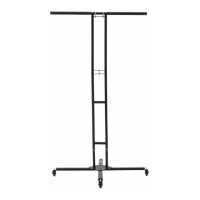
• This Rack is designed to be set up behind the truck’s rear window to protect the window from the
impact of shifting cargo. Its upper frame has extension uprights for use in safely hauling long cargo
such as ladders and pipes. This rack ts most truck beds. Do not modify this Rack, and do not use
this product for purposes that it was not designed for.
• Never use this Rack to secure people or animals in the truck bed. Do not climb on, or hang on this
Rack while vehicle is moving. Keep children and spectators well clear when setting up and using
this product.
• Adhere to all Department of Transportation (D.O.T.) requirements when using this product. Use
ropes and tie downs to secure any cargo that is resting on the upper frame extension uprights.
• For the vehicle that the Aluminum Headache Rack is attached to, read all pertinent vehicle instruc-
tions and warnings provided in the owner’s manual. Make sure the vehicle’s engine is OFF, with
parking brake set, before setting up this product, and when loading and unloading cargo on the
upper frame extension uprights.
• Loads can shift in transit. During transit, periodically stop and check the contents of the load. Make
sure that all cargo in the truck bed is tightly secured.
Specications
• Width Adjustment: Extends from 62” to 74” wide
• Application: Protects rear window from impact of shifting cargo. Bolt on installation for trucks with
stake pockets.
Unpacking
The shipment should be thoroughly inspected as soon as it is received. The signed “bill of lading” is
acknowledgment by the carrier of receipt in good condition or shipment covered by our invoice. For
your own protection, if any of the goods called for on the bill of lading are shorted or damaged, do not
accept them until the carrier makes a notation on the freight bill of the shorted or damaged goods.
Maintaining the Rack
Frequently check the condition of this rack. Make sure that all components are in good condition and
are clean. Check to make sure that all hardware is tightly secured in place. If this product becomes
damaged through use, it should be replaced. Replacement parts are not offered.



 To Next Page
 Loading...