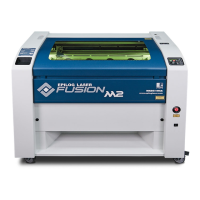
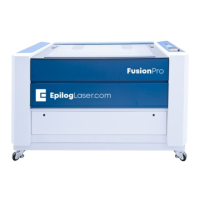
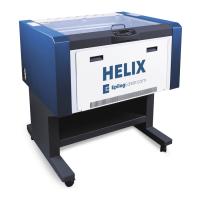
This document outlines the procedure for replacing the Y-Axis Home Switch on Epilog Laser's Fusion Maker, Fusion Edge, and Fusion Pro 24 & 36 models. The Y-Axis Home Switch is a critical component for the proper operation of these laser engravers, as it helps the machine determine the home position along the Y-axis, ensuring accurate and repeatable engraving and cutting operations.
Function Description:
The Y-Axis Home Switch is a microswitch with a roller lever designed to detect the physical limit of the Y-axis movement. When the X-axis assembly (which carries the laser head) moves to its designated home position along the Y-axis, the roller lever on the switch is actuated. This action sends a signal to the engraver's control system, indicating that the Y-axis has reached its home reference point. This homing process is essential for calibrating the machine's coordinate system at startup and for ensuring precise positioning during engraving and cutting tasks. A malfunctioning Y-axis home switch can lead to errors in homing, incorrect job placement, or even damage to the machine if the X-axis assembly attempts to move beyond its physical limits without proper detection.
Important Technical Specifications:
- Part Number: LC0047 - Switch, Y-Home, Roller Lever. This specific part number ensures compatibility and proper functionality with the listed Epilog Laser models.
- Switch Type: Microswitch with a roller lever. The roller lever design is chosen for its durability and ability to withstand repeated actuation, providing reliable detection of the Y-axis home position.
- Electrical Connections: The switch utilizes two electrical connections, which are typically spade connectors, for easy and secure attachment to the engraver's wiring harness. These connections transmit the signal to the control board.
- Mounting: The switch is secured to the chassis of the engraver using two Phillips head screws, ensuring a stable and precise mounting location for consistent homing.
Usage Features:
The Y-Axis Home Switch is an internal component that directly impacts the usability and accuracy of the laser engraver. Its proper function enables several key usage features:
- Automatic Homing: At startup or when commanded, the engraver automatically moves the X-axis assembly to trigger the Y-axis home switch, establishing a precise Y-axis reference point. This automation simplifies machine setup and ensures consistent starting positions for all jobs.
- Accurate Job Placement: By providing a reliable home position, the switch contributes to the engraver's ability to accurately place designs on materials, reducing waste and improving the quality of the finished product.
- Repeatability: A functional home switch ensures that jobs can be repeated with high precision, as the machine can always return to the same starting coordinates. This is crucial for production environments where consistency is paramount.
- Safety and Limit Detection: Beyond homing, the switch can also act as a limit switch, preventing the X-axis assembly from crashing into the physical end of its travel along the Y-axis. This protects the machine from potential mechanical damage.
Maintenance Features:
The document primarily focuses on the replacement procedure for the Y-Axis Home Switch, highlighting several maintenance-related aspects:
- Troubleshooting Indicator: A common symptom of a faulty Y-axis home switch is the engraver failing to home correctly or displaying errors related to Y-axis movement. This document serves as a direct solution for such issues.
- Required Tools: The replacement process requires common tools: a 5/32" Allen Wrench (likely for removing the engraver's side panel) and a Phillips Head Screwdriver (for securing and removing the switch itself). This indicates that the repair is designed to be accessible with standard workshop tools.
- Step-by-Step Replacement Guide: The manual provides clear, sequential steps for replacing the switch, making the process manageable for technicians or experienced users. These steps include:
- Safety First: Turning off and disconnecting the engraver from power is the initial and most critical safety step.
- Accessing the Component: Removing the appropriate side panel (left or right, depending on the sensor's location) is necessary to gain access to the switch.
- Positioning for Access: Manually moving the X-axis assembly to the middle of the engraver provides optimal access to the Y-axis home sensor.
- Locating the Sensor: The document includes an illustration to help users identify the Y-axis home sensor at the rear of the Y-axis assembly.
- Disconnection: Disconnecting the two electrical connections from the old switch is a straightforward step.
- Removal: Loosening and removing the two Phillips screws allows for the removal of the old switch from the chassis.
- Installation: Connecting the new switch's electrical connections and then positioning and securing it with the two Phillips screws completes the physical installation.
- Reassembly: Replacing the side panel after the new switch is installed.
- Technical Support Contact: The document provides contact information (phone and email) for Epilog Laser Technical Support, indicating that assistance is available if users encounter difficulties during the replacement process. This emphasizes the manufacturer's commitment to supporting their products and users.
- Preventative Maintenance (Implicit): While not explicitly stated as preventative maintenance, understanding the function and replacement procedure for this switch can help users identify potential issues early and perform timely replacements, thereby minimizing downtime and ensuring the longevity of their laser engraver. Regular inspection of the roller lever for wear or damage could be an informal preventative measure.
In summary, the Y-Axis Home Switch is a small but vital component that underpins the precision and reliability of Epilog Laser engravers. Its replacement procedure is designed to be clear and accessible, allowing for efficient maintenance and ensuring the continued high performance of the machine.

 Need help?
 General

 To Next Page