
 Need help?
Do you have a question about the FeiYu Tech MG Lite and is the answer not in the manual?
Download USB driver, upgrade software, and firmware from FY-TECH website.
Connect gimbal via USB, install driver, and launch upgrade software.
Select correct COM port and baud rate in the upgrade software interface.
Press function button, confirm connection, load firmware, and start the update.
Confirm firmware transfer is complete, close software, and disconnect USB cable.
This document outlines the firmware upgrade process for the MG Lite and MG V2 Gimbal, providing a comprehensive guide for users to ensure their device is running the latest software. The primary function of this manual is to facilitate a smooth and successful firmware update, which is crucial for maintaining optimal performance and accessing new features of the gimbal.
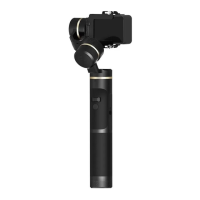
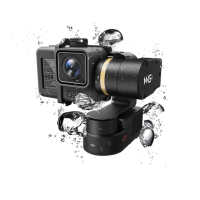
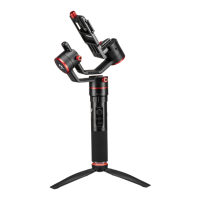
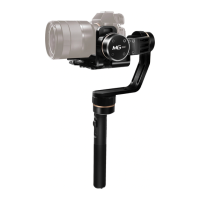
The MG Lite / MG V2 Gimbal is a sophisticated device designed to stabilize cameras, ensuring smooth and professional-looking footage. Its core function is to counteract unwanted movements, vibrations, and shakes, allowing users to capture steady video and photos even in dynamic environments. The gimbal achieves this through a combination of advanced sensors, motors, and control algorithms that continuously adjust the camera's position in real-time. This stabilization capability is essential for a wide range of applications, from professional filmmaking and vlogging to casual photography and action sports.
The firmware, which is the embedded software that controls the gimbal's operations, plays a critical role in its overall functionality. Regular firmware updates are necessary to introduce new features, improve existing ones, enhance stability, and fix any potential bugs. For instance, an updated firmware might offer improved motor response, more precise stabilization algorithms, or compatibility with new camera models. The upgrade process detailed in this manual ensures that the gimbal's internal software is kept current, thereby maximizing its performance and extending its lifespan.
The upgrade process itself involves several key steps, starting with the installation of necessary drivers and software on a Windows-based computer. This setup prepares the computer to communicate with the gimbal. Once the software is ready, the gimbal is connected via a USB cable, establishing a data link between the device and the computer. The software then allows the user to select the appropriate firmware file, which contains the updated instructions for the gimbal. The final stage involves transmitting this firmware to the gimbal's internal memory, overwriting the older version. This entire process is designed to be user-friendly, guiding the user through each step to minimize errors and ensure a successful update.
The firmware upgrade process is designed with several usage features to make it as straightforward as possible for the end-user. One of the primary features is its compatibility with Windows operating systems, which is a widely used platform, making the upgrade accessible to a broad user base. The manual emphasizes a step-by-step approach, ensuring that users can follow the instructions precisely, reducing the likelihood of errors during the update. This meticulous guidance is particularly important for firmware updates, as incorrect procedures can potentially lead to device malfunction.
A crucial usage feature highlighted in the manual is the requirement to install batteries before initiating the firmware upgrade. This ensures that the gimbal has a stable power supply throughout the update process, preventing any power interruptions that could corrupt the firmware. A stable power source is paramount during firmware flashing, as any disruption can render the device inoperable.
The software interface itself is designed for clarity and ease of use. It provides visual cues and prompts, such as the "OPEN" button for opening the COM port and the "OPEN FILE" button for selecting the firmware. The interface also displays important information, such as the connection status ("LINK OK!") and the current firmware version, allowing users to verify the success of each step. The ability to check the current version of the gimbal's firmware is a valuable feature, as it helps users determine if an update is indeed necessary and confirms the successful application of a new version.
Another practical usage feature is the instruction to confirm the correct COM port number and baud rate. This ensures that the computer establishes proper communication with the gimbal. The manual also provides guidance on modifying the COM port number if it exceeds a certain value, which is a common issue in Windows environments with multiple USB devices. This attention to detail helps users troubleshoot potential connection problems, making the upgrade process more robust.
The software also provides real-time feedback during the upgrade process, displaying the progress as data blocks are sent to the gimbal. This visual confirmation helps users monitor the update and understand that the process is actively underway. Upon completion, a "Confirm" button finalizes the upgrade, and the user is instructed to close the software and remove the USB cable, signaling the successful conclusion of the update. These features collectively contribute to a user-friendly experience, even for those who may not be highly technically inclined.
The firmware upgrade process itself serves as a critical maintenance feature for the MG Lite / MG V2 Gimbal. By regularly updating the firmware, users can ensure that their device remains current with the latest technological advancements and bug fixes. This proactive maintenance helps to prevent potential issues that might arise from outdated software, such as performance degradation, compatibility problems with new accessories, or security vulnerabilities.
One of the key maintenance benefits of firmware updates is the improvement of stabilization algorithms. Over time, manufacturers often refine these algorithms to provide even smoother and more precise camera movements. An updated firmware can translate into better footage quality, more responsive controls, and enhanced overall stability, effectively extending the useful life and performance capabilities of the gimbal. This means that even an older gimbal model can benefit from performance enhancements through software updates, rather than requiring a complete hardware replacement.
The manual also implicitly supports troubleshooting and diagnostic maintenance. The ability to check the current firmware version allows users to quickly identify if their device is running an outdated version, which might be the cause of certain operational issues. If a problem arises, comparing the current version with the latest available firmware can help pinpoint whether a software update is a potential solution.
Furthermore, the instructions for downloading the USB driver and dedicated firmware upgrade software from the official FY-TECH website emphasize the importance of using verified and authentic resources. This practice is crucial for maintaining the integrity and security of the device, as using unofficial software or drivers could introduce malware or lead to irreversible damage to the gimbal. This guidance promotes safe and responsible maintenance practices.
The instruction to install batteries before the upgrade is also a maintenance-oriented feature, ensuring that the device has sufficient power to complete the update without interruption. Power loss during a firmware flash can "brick" a device, rendering it unusable. Therefore, this step is a preventative maintenance measure to safeguard the gimbal during a critical operation.
Finally, the note at the end of the manual, stating that the company reserves the right to change the manual and that the newest edition will be available on their website, highlights an ongoing commitment to product support and maintenance. This ensures that users always have access to the most current and accurate information regarding their device, facilitating continuous maintenance and optimal operation of the MG Lite / MG V2 Gimbal. This commitment to updated documentation is a vital aspect of long-term product support.
 General
| Battery Life | 12 hours |
|---|---|
| Model | MG Lite |
| Category | Camera Accessories |
| Connectivity | Bluetooth |
| Material | Aluminum Alloy |
| Type | Gimbal |
| Compatibility | Smartphones |
| Panning Range | 360° |
| Control Interface | Joystick, Buttons |


 To Next Page