26
© Ferno-Washington, Inc. 234-1754-02 April 2001
6.3 Adapting the KED for a
Pediatric Patient
The patient’s size and condition determine how the
KED can be adapted for a child.
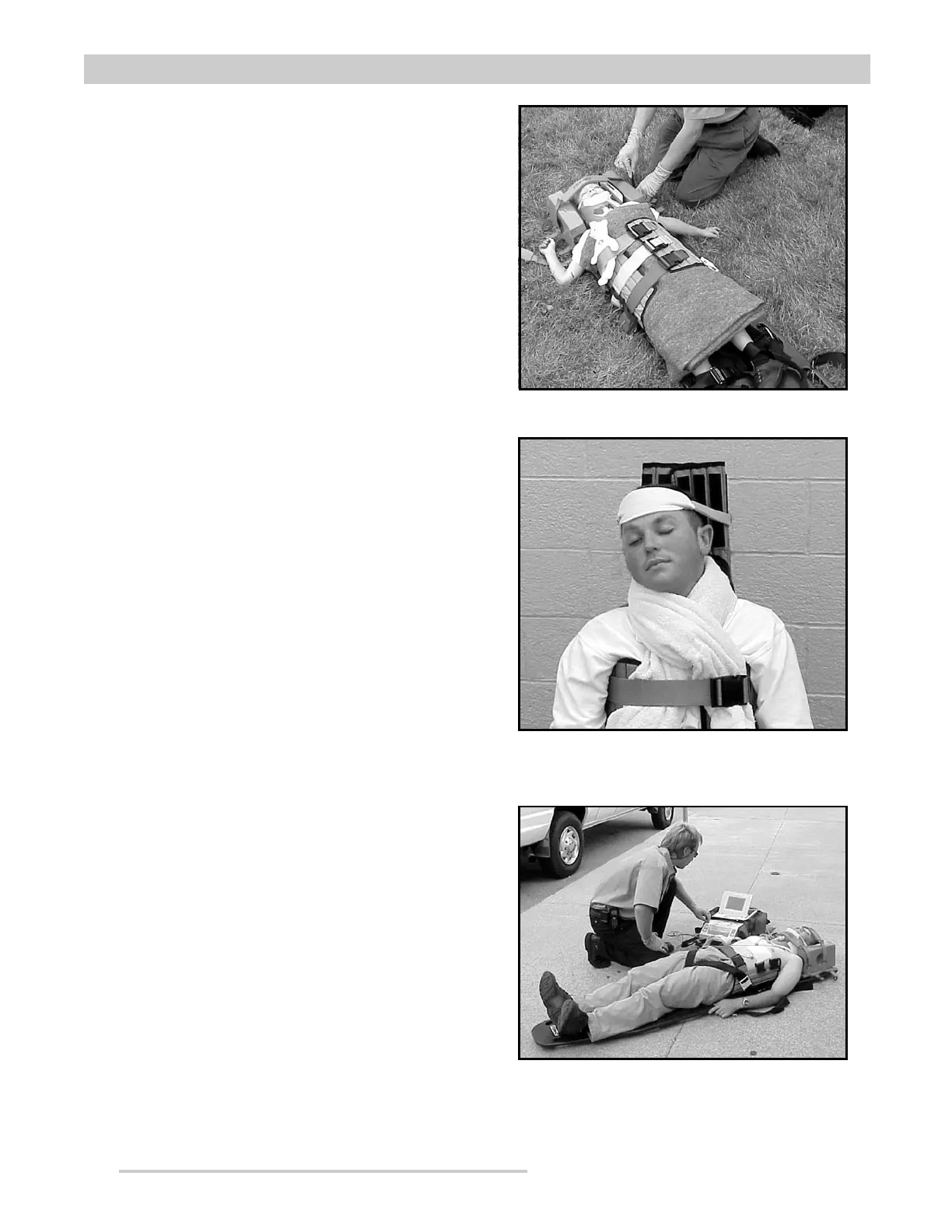
In this example of one possible method, the child’s legs
are longer than the KED so the KED and child are
placed on a long spine board.
A folded blanket is placed on the child so the torso
flaps can be wrapped and fastened normally (Figure
41).
Figure 41 - Applying the KED to a Child
6.4 Adapting KED for an
Angulated Neck
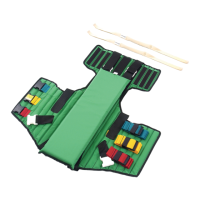
When it is not desirable to straighten the patient’s neck,
fold the head flaps inward. Position a rolled towel as
needed, then place a head strap across the patient’s
forehead and secure the strap to the KED fastening
strips (Figure 42).
Figure 42 - Applying the KED to an
Angulated Neck
6.5 Adapting the KED for Use With
Monitoring Systems
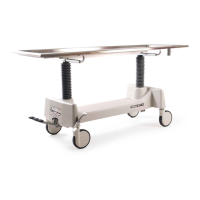
Folding two slats of each torso flap inward provides
more chest exposure when needed. Loosening two of
the three chest straps allows defibrillation without
losing immobility (Figure 43).
Figure 43- Adapting the KED for Use with a
Monitoring System
Model 125 KED
Special Situations



 To Next Page