Use
Feeding in Garden waste
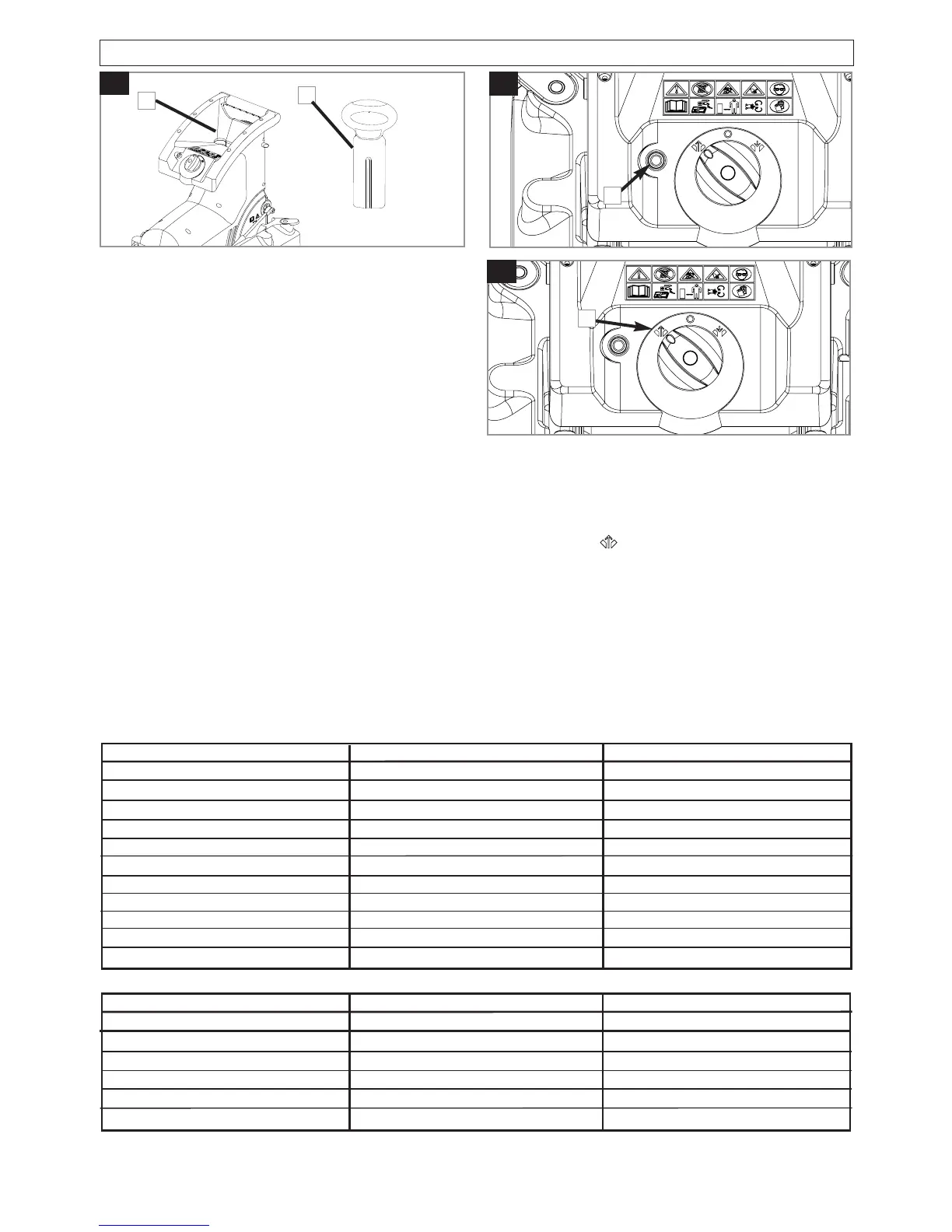
1. Feed the material to be shredded into the Feed Inlet (G1).
The material is pulled in by the cutting blade automatically.
• Caution! Do not feed garden building waste such as,
sawn timber, fencing and decking.
• Caution! Long material standing out from the machine
could swing out when being pulled in by the blades!.
Maintain a safe distance!
Suitable Items to be shredded:-
• Twigs and branches – max. diameter 40mm;
• Waste from pruning bushes;
• Waste from hedge trimmings
• Plant parts.
2. A push stick is provided to feeding less bulky material
into the Feed Inlet (G2) enabling the material to reach
the cutting blade.
• Do not use any other object to push material into the
Feed Inlet.
Overload Reset Button
Overloading, jamming the product causes the machine to au-
tomatically stop. After a short period of time, press the reset
button (H1) and restart the product.
•When the feed inlet is suddenly blocked, the direction or rota-
tion may switch automatically. Stop the product and after a
short period of time, restart.
Clearing a Blockage
The product is fitted with a reverse switch (J1) to enable the
release of jammed material. Turn the control switch anti-
clockwise to the symbol to put into reverse mode.
G
1
2
J
1
Compost
Compost is a natural fertiliser. It can loosen clay soils and
can help sandy soils retain water. The organic matter in com-
post provides food for the microorganisms that keep your
soil healthy and in a balanced condition. These microorgan-
isms will naturally produce the Nitrogen, Potassium and
Phosphorus your garden requires.
The waste you are composting requires the correct ratio of
carbon rich materials (Browns) and nitrogen rich materials
(Greens). Too much Brown material will increase the conver-
sion time. Too much Green material and your compost will be
damp, solid and release unpleasant odours.
How does my Shredder help composting?
Shredders can produce large quantities of Greens and
Browns, which you could not normally compost. It will
speed up the composting process by reducing the size
and increasing the surface area of the material.
Shredded Browns, fibrous materials, provide body to the
final product and supply trapped air to the composting
creatures.
Shredded Greens, Soft Sappy materials, provide the en-
ergy for the composting creatures.
When will the compost be ready for use?
The compost may be ready in as little a 2 months or as much
as 12 months. It depends on the materials used, the compost
mix, air temperature and how much material was shredded.
The compost can be used when it has turned a dark
colour and the original ingredients are no longer
recognisable.
Do Compost
Kitchen Waste
Fruit
Vegetables
Teabags
Coffee Grounds & Filters
Egg Shells
Sawdust
Peanut Shells
Other
Washed Seaweed
Hay/Straw
Paper & Cardboard
Wood Ash
Manure from Vegetarian Animals
Garden Waste
Tree Prunings*
Twigs*
Plants*
Bush Prunings*
Hedge Trimmings*
Vegetable Waste*
Leaves*
Flowers*
Roots*
Grass Cuttings
Do Not Compost
Kitchen Waste
Meat
Fish
Cooked Food Wastes
Dairy Products
High Fat Foods
Other
Vacuum Cleaner Contents
Plastic Glass or Metal
Manure from Carnivorous Animals
Coal Ash
Household or Building Waste
Garden Waste
Soil
Poison Ivy
Poison Oak
Weeds
Diseased Plants
* Suitable for Shredding
H
1


 To Next Page