16
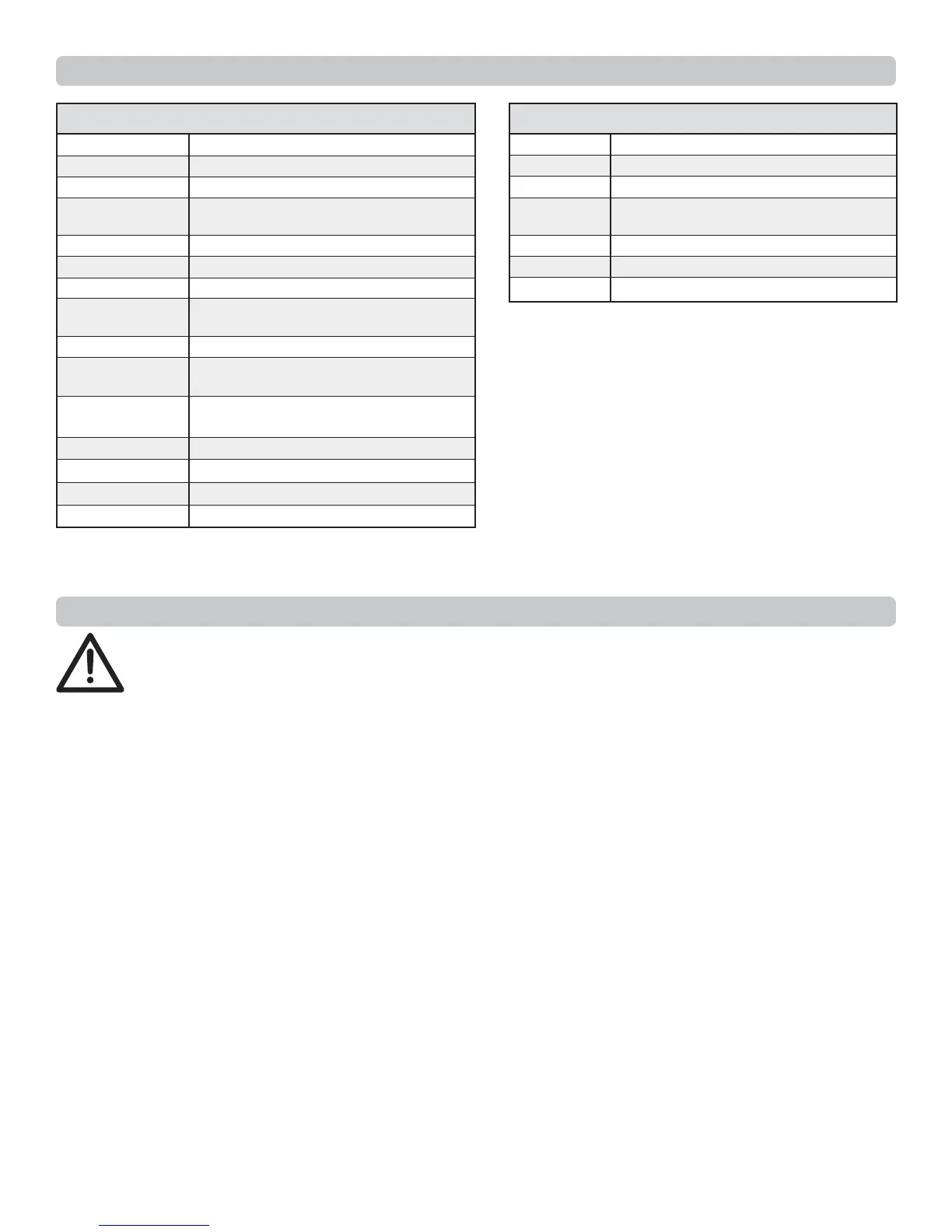
Specifi cations
Tactic TR624 Receiver
Channels 6
Frequencies 2.403 – 2.480GHz
Modulation FHSS spread spectrum
Input power Four “AA” alkaline,
NiCd or NiMH cells (4.0 – 6.0V, not included)
Failsafe Programmable throttle, all other channels hold
Dimensions 1.77 × 0.98 × 0.5" (45 × 25 × 13mm)
Weight 0.28 oz (8g)
TTX600 6-Channel Transmitter
Channels 6
Frequencies 2.403 – 2.480GHz
Modulation FHSS spread spectrum
Input power Four “AA” alkaline, NiCd,
or NiMH cells (3.8 – 8.0V, not included)
Output power < 0.1W
Power indicators LED, with low voltage alarm
Reversing switches Slide switches, four channels
Trims Analog for throttle,
digital for aileron, elevator, rudder
Antenna Built-in non-removable
Optional mixes Elevon, V-Tail
Dual rates 100/60 % for aileron/elevator/rudder
Channel 5 Non-proportional on/off
Channel 6 Proportional
Trainer function Wireless
(compatible with Tactic brand transmitters only)
Charge jack Built-in (Futaba
®
compatible,
for use with optional NiCd or NiMH cells)
Important Warnings and Precautions
● NEVER allow water or moisture to make contact with the electronic components inside the transmitter,
receiver, servos, switch harness, etc.! This could lead to failure or improper functionality of components and
poor control of aircraft which could pose a safety hazard.
● NEVER operate R/C model aircraft near power lines, radio or cell phone towers, roads or automobiles, buildings, or
pedestrians. Be very careful in locations where many R/C aircraft are being used simultaneously.
● NEVER operate R/C equipment if you are physically impaired as it could pose a safety hazard to yourself or others in
the area.
● NEVER allow small children to operate/control model R/C equipment without the supervision of an adult.
● NEVER allow the transmitter’s throttle stick to accidentally be moved away from the “off” or minimum position while the
model’s engine/motor is moving.
● ALWAYS range check the radio system before use.
● ALWAYS make sure that all transmitter stick movements operate all servos properly in the model. Check the proper
operation of control surfaces before and after starting the engine/motor.
● ALWAYS make sure the transmitter antenna is unfolded entirely so that it’s pointing upright to ensure max. range and
control of the aircraft.
● Do not store your radio equipment in extremely hot or cold locations, in direct sunlight, or in locations with high
humidity. Store R/C equipment in cool and dry locations.
● Do not allow chemicals to come in contact with any parts of the radio system. Substances such as glow fuel, gasoline,
CA glue, etc. could permanently damage plastic parts of the radio system.
● If NiCd batteries were installed in the transmitter, remove the batteries before placing the radio in long-term storage.
OTHER ITEMS INCLUDED
● On/off switch harness with built-in charge lead
● 4 cell “AA” battery holder for receiver
● Neck strap




 To Next Page