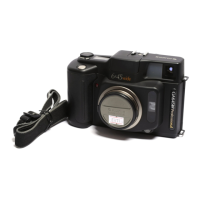
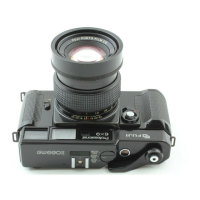
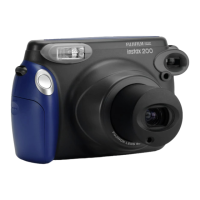
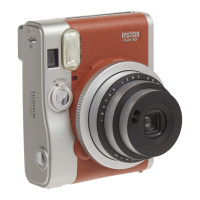
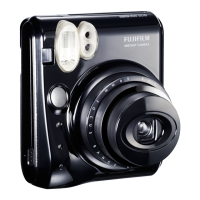
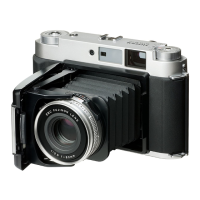
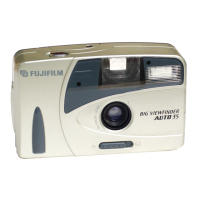
This document is an owner's manual for several FUJIFILM 35mm cameras, including the BIG VIEWFINDER DATE 35, BIG VIEWFINDER AUTO 35, CLEAR SHOT 20 DATE, and CLEAR SHOT 20 AUTO models. These cameras are designed to offer a user-friendly photographic experience, making it easier to capture memorable moments.
Function Description
The FUJIFILM 35mm cameras are equipped with several features to simplify photography. They utilize a 35mm film format, which is widely available. The core function of these cameras is to capture images on film, with automatic mechanisms handling much of the technical process.
A key feature is Autofocus, which ensures that pictures are sharp and clear without manual adjustment. This is particularly beneficial for casual photographers who want reliable results. The cameras also incorporate an Automatic Flash system, providing necessary illumination in low-light conditions to ensure bright and well-exposed pictures. This eliminates the need for users to manually determine when and how much flash to use.
For models like the BIG VIEWFINDER DATE 35 and CLEAR SHOT 20 DATE, a Date/Time Imprinting function is included. This allows for a permanent record of when a picture was taken, adding value to the photographs. Users can set the year, month, day, hour, and minute, and choose various display modes for imprinting on the lower right of the photograph.
The cameras feature a Bright, Clear Viewfinder, which provides a wide and unobstructed view of the subject, making composition easier. This helps users frame their shots effectively, ensuring that everything they see within the bright frame lines will be included in the picture.
Red-Eye Reduction is another important feature, especially when photographing people with flash in dim light. This function works by emitting a preliminary flash before the main exposure. This causes the subject's pupils to contract, minimizing the red-eye effect in the final photograph. To use this feature, the user presses the shutter release button halfway, waits for the red-eye reduction lamp to light up, and then fully presses the button to take the picture.
Usage Features
Operating these FUJIFILM cameras is straightforward, starting with loading the batteries. The cameras use two alkaline AA/LR6 batteries. Users must ensure correct polarity when inserting the batteries and then close the compartment cover securely. After changing batteries, it's important to reset the date and time for accurate imprinting on models with this feature.
Turning on the camera involves sliding the lens cover to uncover the lens. Once the camera is on, the flash ready lamp will light up, indicating that the flash is charged and ready for use. If the lamp takes longer than 20 seconds to light up, it suggests that the batteries may need replacement.
Loading the film is designed to be easy and fool-proof. The cameras use standard 35mm DX-coded film (ISO 100, 200, or 400). Users open the camera back, insert the film roll, pull the film leader out to the index mark, and then close the camera back. The camera's automatic exposure system will set itself to ISO 100 if non-DX coded film is used. After closing the back, the user presses the shutter release button until the exposure counter displays "1," indicating the film has advanced to the first frame.
When taking pictures, users should hold the camera firmly with both hands, ensuring that nothing obstructs the lens, flash, or automatic exposure light sensor. The focusing range for sharp pictures is from 1.0 m (3.3 ft.) to infinity. To take a picture, the user first presses the shutter release button halfway. This activates the red-eye reduction lamp (if applicable) and turns off the flash ready lamp. Then, the user presses the shutter release button down completely to capture the image. The film automatically advances to the next frame, and the exposure counter increases.
Unloading the film or removing it mid-roll is also simple. Once the designated number of photographs has been taken, or if the user wishes to remove the film mid-roll, they slide the rewind switch in the indicated direction to rewind the film. The exposure counter will display "S" when the film has been fully rewound. After rewinding, the camera back lock is slid, the back is opened, and the film is removed. It's crucial not to open the camera back while film is loaded, as this can expose the film to light.
Maintenance Features
Proper care ensures the longevity and performance of the camera. These cameras are precision instruments and require thoughtful handling. Users should avoid exposing the camera to shock, moisture, or physical abuse, such as dropping it. When using the camera at the beach or in light rain, it should be protected from moisture and kept away from sand and salt spray.
For cleaning the lens and viewfinder, an air blower should be used first to remove soil and dust. For more stubborn dirt, a soft cloth, or Lens Cleaning Paper lightly moistened with Lens Cleaning Liquid, can be used. Organic solvents like alcohol and benzene should be avoided.
Dust and debris in the film compartment can scratch the film, so it's recommended to use a blower brush to keep it clean.
When the camera is not in use for an extended period, it should be stored away from heat, moisture, dust, and harmful gases like naphthalene. It should never be stored in a closed automobile, as heat build-up can damage it.
The operating temperature range for the camera is from -5°C to +40°C. In cold weather, battery performance can drop, so it's advisable to warm the batteries (e.g., in a pocket) before use.
For travelers, especially those flying, it's recommended to carry undeveloped film and cameras containing film as hand luggage. X-ray inspections in checked-in baggage can cause over-printing or other adverse effects on the film. Additionally, when traveling, it's wise to carry extra batteries, as fresh ones might be difficult to obtain in some areas.
Following these common-sense precautions will help ensure years of faithful service and enjoyable picture-taking with the FUJIFILM 35mm camera.


 To Next Page
 General