EasyManua.ls Logo

Fujitsu AST9LSACW - User Manual

Fujitsu AST9LSACW
16 pages
Print Icon
To Next Page IconTo Next Page
Loading...
KEEP THIS OPERATION MANUAL
FOR FUTURE REFERENCE
FUJITSU GENERAL LIMITED
OPERATING MANUAL
P/N9312556052-01
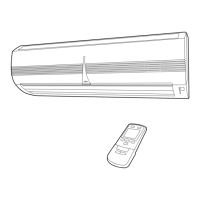
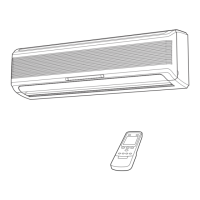
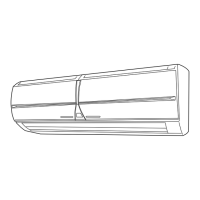
Indoor Unit
AST9LSACW
AST12LSACW
Outdoor Unit
AOT9LSAC
AOT12LSAC
HEAT & COOL MODEL
(REVERSE CYCLE)
ROOM AIR CONDITIONER
WALL MOUNTED TYPE
On account of measuring the
distance from margin to
content,Cover and P16 are
printed as A4 size,The others
are printed as B5(Scale 86.5%).

Questions and Answers

  • C
    chloe17Aug 13, 2025
    What to do if my Fujitsu AST9LSACW Air Conditioner has poor cooling performance?
    • L
      Lucas RodriguezAug 14, 2025
      If your Fujitsu Air Conditioner isn't cooling well, several factors could be the cause. First, check if the air filter is dirty and clean it if necessary. Make sure that the air conditioner's intake grille or outlet port isn't blocked. Ensure that you've correctly adjusted the thermostat settings. Also, check for open windows or doors, and close them. If it's during cooling operation and sunlight is entering the room, close the curtains. Consider if there are heat-generating appliances or too many people in the room. Finally, check if the unit is set to SUPER QUIET operation, as this can reduce cooling performance.
  • G
    George AlexanderAug 17, 2025
    What to do if my Fujitsu AST9LSACW doesn't operate at all?
    • A
      Amanda RyanAug 18, 2025
      If your Fujitsu Air Conditioner isn't operating, start by checking if the power supply plug is properly connected to the outlet. Also, verify whether there has been a power failure. Finally, check if a fuse has blown out or a circuit breaker has been tripped.
  • J
    jimmymannAug 21, 2025
    Why does my Fujitsu AST9LSACW Air Conditioner airflow become weak or stop?
    • M
      Michelle WallaceAug 21, 2025
      There are several reasons why the airflow in your Fujitsu Air Conditioner might weaken or stop. When heating operation is started, fan speed is temporarily very low, to allow internal parts to warm up. During heating operation, if the room temperature rises above the thermostat setting, the outdoor unit will stop, and the indoor unit will operate at very low fan speed. During heating operation, the unit will temporarily stop operation (between 7 and 15 minutes) as the Automatic Defrosting mode operates. The fan may operate at very low speed during Dry operation or when the unit is monitoring the room’s temperature. During SUPER QUIET operation, the fan will operate at very low speed. Also, in the monitor AUTO operation, the fan will operate at very low speed.
  • K
    Kelsey HebertAug 26, 2025
    Why is water produced from the outdoor unit of my Fujitsu AST9LSACW?
    • K
      Katie NealAug 26, 2025
      During heating operation, water may be produced from the outdoor unit of your Fujitsu Air Conditioner due to the automatic defrosting operation.
  • R
    rhondagarzaAug 28, 2025
    Why does my Fujitsu Air Conditioner smell?
    • M
      Michael JonesAug 29, 2025
      A smell may be emitted from your Fujitsu Air Conditioner's indoor unit because room odors (from furniture, tobacco, etc.) have been drawn into the unit.
  • N
    Nicole HooperSep 1, 2025
    Why does my Fujitsu AST9LSACW not operate immediately?
    • A
      Andrew ArcherSep 2, 2025
      If your Fujitsu Air Conditioner is stopped and then immediately started again, the compressor will not operate for about 3 minutes to prevent fuse blowouts. Also, whenever the Power Supply Plug is disconnected and then re-connected to a power outlet, the protection circuit will operate for about 3 minutes, preventing unit operation during that period.
  • R
    Rebecca SandersSep 5, 2025
    Why does my Fujitsu AST9LSACW Air Conditioner emit mist or steam?
    • R
      reyesloriSep 5, 2025
      During cooling or dry operation, a thin mist may be seen emitted from the indoor unit of your Fujitsu Air Conditioner. This results from the sudden cooling of room air by the air emitted from the air conditioner, leading to condensation and misting. During heating operation, the outdoor unit’s fan may stop, and steam may be seen rising from the unit due to automatic defrosting operation.
  • A
    Amanda HuangSep 9, 2025
    Why does my Fujitsu AST9LSACW make noise?
    • B
      Brian Keith DVMSep 9, 2025
      During operation and immediately after stopping the unit, the sound of water flowing in the air conditioner’s piping may be heard. Also, noise may be particularly noticeable for about 2 to 3 minutes after starting operation (sound of coolant flowing). During Heating operation, a sizzling sound may be heard occasionally which is produced by the Automatic Defrosting operation.

Summary

Safety Precautions

General Safety Guidelines

Provides essential safety warnings, dangers, and cautions for operating the air conditioner.

Features and Functions

Inverter Operation

Explains the inverter's role in rapid temperature control and energy saving.

Operational Modes and Timers

Covers Auto Changeover, Sleep Timer, Super Quiet, and Coil Dry functions.

Airflow Control and Filters

Details Swing operation, Removable Panel, and Mildew-resistant Air Filter.

Wireless Remote Control

Highlights the convenience of controlling the unit via a wireless remote.

Name of Parts

Indoor Unit Components Overview

Identifies key parts of the indoor unit, including control panel and air vents.

Outdoor Unit Components Overview

Identifies key parts of the outdoor unit, including intake and outlet ports.

Remote Control and Display Elements

Details buttons, indicators, and display elements of the remote control.

Preparation

Power and Battery Setup

Instructions for connecting power, loading batteries, and using the remote control.

Operation

Selecting Operation Mode and Fan Speed

Guides on starting the unit, choosing modes (AUTO, COOL, DRY, HEAT, FAN) and setting fan speeds.

Setting Temperature and Stopping Operation

Instructions for setting the thermostat and turning the unit off.

Understanding Operation Modes

Explains Auto Changeover logic and details for Heating, Cooling, Dry, and Fan modes.

Timer Operation

Setting On and Off Timers

Step-by-step guides for setting the unit to turn on or off at specific times.

Timer Management and Conditions

Covers cancelling timers, changing settings, stopping operation, and conditions.

Sleep Timer Operation

Setting and Adjusting Sleep Timer

Instructions for setting the sleep timer for gradual temperature adjustment.

Sleep Timer Functionality

Explains how the sleep timer automatically adjusts temperature for comfort.

Timer Confirmation

How to check the set time for ON, OFF, or Sleep timers.

Adjusting Air Circulation Direction

Vertical Airflow Adjustment

How to adjust the up-down direction of airflow using the remote control.

Right-Left Airflow Adjustment

How to manually adjust the right-left airflow direction of the louvers.

Swing Operation

Selecting and Stopping Swing

Guides on activating and deactivating the automatic airflow swing function.

Swing Operation Details

Explains how swing operates during different modes and potential temporary stops.

Coil Dry Operation

Using Coil Dry Mode

How to use the Coil Dry function to dry the indoor unit and prevent mold.

Cancelling Coil Dry Operation

Procedure to stop the Coil Dry operation before its automatic completion.

Manual Auto Operation

Using Main Unit Controls

Instructions for operating the unit using the main unit controls when the remote is unavailable.

Cleaning and Care

Cleaning the Open Panel

Steps for removing and cleaning the removable front panel of the indoor unit.

Cleaning the Air Filter

Instructions for cleaning the air filter using vacuum or washing.

Using Optional Air Cleaning Filter

Guidance on installing and using the optional air cleaning filter.

Troubleshooting

Common Operational Issues

Lists common symptoms like no operation, noise, smells, and weak airflow with potential causes.

Performance and Setting Issues

Addresses poor cooling, unit operating differently, and items to check for performance issues.

Operating Tips

Heating Performance Advice

Tips for optimizing heating performance, especially in low outdoor temperatures.

Automatic Defrosting

Explains the microcomputer-controlled automatic defrosting function during heating.

Auto Restart Feature

Details how the unit restarts automatically after a power interruption.

Temperature and Humidity Range

Operating Range Guidelines

Specifies the recommended outdoor and indoor temperature ranges for Cooling, Dry, and Heating modes.

Fujitsu AST9LSACW Specifications

General IconGeneral
BrandFujitsu
ModelAST9LSACW
CategoryAir Conditioner
LanguageEnglish

Related product manuals