EasyManua.ls Logo

Furuno FSV-35 - User Manual

Furuno FSV-35
144 pages
Print Icon
To Next Page IconTo Next Page
Loading...
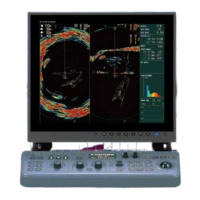
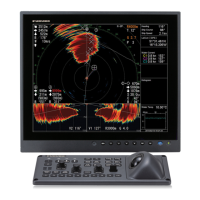
COLOR SCANNING SONAR
FSV-35
OPERATOR'S MANUAL
www.furuno.com
Model

Table of Contents

Other manuals for Furuno FSV-35

Questions and Answers

  • P
    Phillip WilliamsAug 18, 2025
    What to do if Furuno Sonar displays an overvoltage error?
    • J
      Jonathan GomezAug 18, 2025
      If the Furuno Sonar displays the message " RETRACT TRANS- DUCER AND TURN OFF POWER. CHECK SHIP’S MAINS VOLTAGE. PRESS R/B KEY TO TURN OFF ALARM.", it indicates that the voltage supplied to the transceiver unit is excessive. To resolve this, silence the buzzer using the R/B AUDIO key, retract the transducer, and turn off the power. Then, have a qualified technician inspect the input voltage.
  • B
    Bryan PenaAug 20, 2025
    What does it mean when my Furuno FSV-35 says no response from transceiver unit?
    • S
      Shannon CervantesAug 21, 2025
      If the Furuno Sonar displays the message " TURN OFF AND ON POWER AGAIN, OR CHECK POWER LINE TO TRANSCEIVER UNIT. PRESS R/B KEY TO TURN OFF ALARM.", it means there is no reply from the transceiver unit. Press the R/B AUDIO key to turn off the buzzer. Then, have a qualified technician check the set.
  • R
    Robert WardAug 23, 2025
    What does electric charge error on Furuno FSV-35 Sonar mean?
    • N
      Nicole MedinaAug 23, 2025
      If the Furuno Sonar displays the message "RETRACT TRANS- DUCER AND TURN OFF POWER. CHECK SHIP’S MAINS VOLTAGE. PRESS R/B KEY TO TURN OFF ALARM.", it indicates that the +B voltage of capacitors in the transceiver unit cannot be charged to predetermined voltage within the specified time. Press the R/B AUDIO key to silence the buzzer. Have a qualified technician check the set.
  • B
    Benjamin MarksAug 26, 2025
    What to do if Furuno Sonar shows an over temperature error?
    • M
      mayodeniseAug 26, 2025
      If the Furuno Sonar displays the message " RETRACT TRANSDUCER AND TURN OFF POWER. PRESS R/B KEY TO TURN OFF ALARM.", it means the temperature in the power supply block has exceeded 85°C. Press the R/B AUDIO key to silence the buzzer. Turn off the system and have a qualified technician check the system.
  • K
    Kayla TurnerAug 28, 2025
    Why does my Furuno FSV-35 Sonar warn that the transducer is kept extended?
    • C
      Courtney GomezAug 28, 2025
      If the Furuno Sonar displays the message " TRANSDUCER IS KEPT EX- TENDED. MAX ALLOWABLE SPEED FOR EX- TENDED TRANSDUCER IS 18 KT. PRESS R/B KEY TO TURN OFF ALARM.", it indicates that the transducer is extended and the ship’s speed, input by external equipment, exceeds 18 knots (1200 mm stroke) or 15 knots (1600 mm stroke). Silence the buzzer with the R/B AUDIO key and lower the ship’s speed.
  • J
    Jennifer KhanAug 30, 2025
    Why does Furuno FSV-35 Sonar warn about max speed during raising or lowering transducer?
    • A
      Antonio RobinsonAug 30, 2025
      If the Furuno Sonar displays the message " MAX ALLOWABLE SPEED DURING RAISING/LOWERING TRANSDUCER IS 15 KT. PRESS R/B KEY TO TURN OFF ALARM.", it means the transducer is being raised or lowered and the ship’s speed, input by external equipment, exceeds 15 knots (1200 mm stroke) or 12 knots (1600 mm stroke). Silence the buzzer with the R/B AUDIO key and reduce the ship’s speed.
  • T
    Thomas SmithSep 1, 2025
    What to do if Furuno FSV-35 Sonar says transducer not retracted?
    • D
      dryanSep 1, 2025
      If the Furuno Sonar displays the message "CUT OFF POWER LINE TO MONITOR UNIT AND HULL UNIT. PRESS R/B KEY TO TURN OFF ALARM.", it means the transducer has not been raised within 30 seconds (1200 mm stroke) or 40 seconds (1600 mm stroke) after pressing the ? key. Press the R/B AUDIO key to silence the buzzer. The reason may be the transducer is tangled in the net or its shaft is bent. Try raising it from the hull unit as shown in section 8.12.
  • E
    ekennedySep 3, 2025
    Why does my Furuno FSV-35 Sonar say the transducer is kept at wrong position?
    • M
      Mallory KingSep 3, 2025
      If the Furuno Sonar displays the message " TRANSDUCER IS KEPT AT WRONG POSITION. SET BACK TRANSDUC- ER POSITION TO NORMAL BY USING ? OR ? KEY. PRESS R/B KEY TO TURN OFF ALARM.", it indicates that the transducer has been knocked out of position. Try to return the transducer to its normal position by operating the ? or ? key and silence the buzzer with the R/B AUDIO key.
  • M
    Melissa PenaSep 6, 2025
    How to troubleshoot Furuno Sonar that cannot turn on?
    • I
      isabelbrownSep 6, 2025
      If the Furuno Sonar cannot turn on, you should: • Check the cables between the transceiver unit, processor unit, and monitor unit. • Check the ship’s mains. • Have a qualified technician check the fuses inside the transceiver unit.
  • D
    danielleheathSep 8, 2025
    Why does the bottom echo become irregular on my Furuno Sonar?
    • D
      Donald BenjaminSep 8, 2025
      If the bottom echo on your Furuno Sonar becomes irregular, it could be due to: • Rough seas, where the distance to the bottom changes because of rolling and pitching. • A long range being selected, which means the transmission period is longer, so the ship’s pitching and rolling are more likely to affect echo detection.

Summary

IMPORTANT NOTICES

General Guidelines and Disposal

Safety, operational, and disposal instructions for the equipment and batteries.

SAFETY INSTRUCTIONS

Understanding Safety Symbols and Precautions

Explains safety symbols and lists critical safety actions for operating the equipment.

FOREWORD

Introduction and Key Features

Overview of the sonar and its main capabilities and functions.

SYSTEM CONFIGURATION

System Component Diagram

Visual representation of system components, connections, and optional equipment.

1. OPERATIONAL OVERVIEW

Control Unit Description

Details the buttons, keys, and functions of the main control unit.

1. OPERATIONAL OVERVIEW

Optional Control Units

Describes the functionality of the optional sub control unit and remote controller.

1. OPERATIONAL OVERVIEW

Powering the System On and Off

Step-by-step procedures for turning the sonar system on and off.

1. OPERATIONAL OVERVIEW

Transducer Movement and Display Brightness

Instructions for lowering/raising the transducer and adjusting screen brilliance.

1. OPERATIONAL OVERVIEW

Panel Dimmer and Display Modes

Procedure to adjust panel dimmer and overview of display modes.

1. OPERATIONAL OVERVIEW

Selecting and Viewing Display Modes

Guide to choosing different display modes and viewing mode examples.

1. OPERATIONAL OVERVIEW

Adjusting Signal Gain and Using Menus

Optimizing echo clarity by adjusting gain and navigating system menus.

2. HORIZONTAL MODE

Basic Horizontal Mode Operation and Indicators

Step-by-step guide for initial horizontal mode use and display elements.

2. HORIZONTAL MODE

Display Range and Tilt Angle Adjustment

How to set the sonar's detection range and transducer tilt angle.

2. HORIZONTAL MODE

Echo Improvement Techniques (TVG)

Using Time Varied Gain (TVG) curves to enhance weak echo detection.

2. HORIZONTAL MODE

Adjusting Echo Strength (AGC) and Noise Control

Managing echo levels using AGC, Near AGC, and 2nd AGC.

2. HORIZONTAL MODE

Rejecting Sonar Interference and Noise

Methods to minimize interference from other sonars or noise sources.

2. HORIZONTAL MODE

Fish School Tracking and Marking

Using target lock and various marks for efficient fish school tracking.

2. HORIZONTAL MODE

Fish Alarm and Audio Detection

Setting up the fish alarm and using audio feedback for fish detection.

2. HORIZONTAL MODE

Measuring Fish School Speed

Procedure to estimate the speed and movement of fish schools.

2. HORIZONTAL MODE

Event and Ship Position Marks

Using event marks and ship position marks to record locations.

2. HORIZONTAL MODE

Net Course Mark Function

Utilizing net course marks for timing fishing operations.

2. HORIZONTAL MODE

Interpreting Bottom and Fish Echoes

Understanding how bottom and fish echoes represent underwater conditions.

3. VERTICAL MODE

Vertical Mode Operation and Display Elements

Understanding and activating the vertical display mode.

3. VERTICAL MODE

Echo Improvement in Vertical Mode (TVG)

Using TVG curves to enhance weak echoes in the vertical display.

3. VERTICAL MODE

Echo Adjustment (AGC) and Noise Control

Managing echo levels and reducing noise using AGC in vertical mode.

3. VERTICAL MODE

Interference and Noise Rejection in Vertical Mode

Methods to minimize interference and noise in the vertical display.

3. VERTICAL MODE

Beam Width Adjustment

Adjusting the horizontal beam width for vertical mode.

3. VERTICAL MODE

Sonar Application in Fishing

Utilizing sonar capabilities for bonito and tuna fishing.

4. NUMERIC;GRAPHIC DATA DISPLAY

Overview and Description of Data Display

Understanding the comprehensive numeric/graphic data screen.

5. HOW TO CUSTOMIZE THE EQUIPMENT

User Menu and Function Key Customization

Creating, managing, and programming user menus and function keys.

5. HOW TO CUSTOMIZE THE EQUIPMENT

USER PROG Control for Instant Setup

Creating and managing user-defined programs for quick equipment setup.

6. OTHERS MENU

Erasing Marks and Managing Settings

Deleting marks/tracks and accessing various system management functions.

6. OTHERS MENU

Display Setting Menu Options

Configuring various display parameters like mode selection and aspect ratio.

6. OTHERS MENU

Alarm and Audio Menu Settings

Configuring fish alarm, audio feedback, and related settings.

6. OTHERS MENU

Initial Setting Menu Options

Setting initial system parameters like language and mark attributes.

6. OTHERS MENU

Monitor and Data Display Configuration

Setting up dual monitors and managing alphanumeric data display.

6. OTHERS MENU

Mark Display and Size Options

Controlling the visibility and size of various on-screen marks.

6. OTHERS MENU

Data Display Options (Course, Current, etc.)

Configuring specific data fields like course, current, and water temperature.

6. OTHERS MENU

Current Vector and Wind Data Settings

Configuring the display of current vector and wind data.

6. OTHERS MENU

Net Sonde and Net Shoot Settings

Configuring parameters for net sonde and net shooting operations.

6. OTHERS MENU

Stabilization Menu Options

Adjusting stabilization settings to compensate for vessel motion.

6. OTHERS MENU

Initialization Menu Options

Resetting and initializing system settings to default values.

7. RECORD;RECALL OPERATION

Specifying Image Save Location

Setting the destination path for saving captured images.

7. RECORD;RECALL OPERATION

Saving and Displaying Images

Capturing, saving, and viewing screenshots of the sonar display.

7. RECORD;RECALL OPERATION

Saving and Loading System Settings

Storing and restoring the equipment's configuration settings.

7. RECORD;RECALL OPERATION

Replaying User Program Settings

Loading pre-defined user programs for instant setup.

7. RECORD;RECALL OPERATION

Deleting Saved Files

Removing unnecessary saved files from the system.

8. MAINTENANCE, TROUBLESHOOTING

Preventive Maintenance Schedule

Regular checks and cleaning procedures for optimal equipment performance.

8. MAINTENANCE, TROUBLESHOOTING

Hull Unit Maintenance Procedures

Specific maintenance instructions for the hull unit assembly.

8. MAINTENANCE, TROUBLESHOOTING

Fuse Replacement and Motherboard Battery

Procedures for replacing fuses and maintaining the motherboard battery.

8. MAINTENANCE, TROUBLESHOOTING

Cleaning Unit Filters and Trackball

Maintenance steps for cleaning unit filters and the trackball.

8. MAINTENANCE, TROUBLESHOOTING

Troubleshooting Common Issues

Diagnosing and resolving common operational problems.

8. MAINTENANCE, TROUBLESHOOTING

Understanding System Warning Messages

Explanations of various warning alerts and their meanings.

8. MAINTENANCE, TROUBLESHOOTING

Error Codes and Warning Priorities

Interpreting error codes and understanding warning message priorities.

8. MAINTENANCE, TROUBLESHOOTING

Status Messages and System Diagnostics

Monitoring system status and performing diagnostic tests.

8. MAINTENANCE, TROUBLESHOOTING

Board Test Procedure

Procedure for testing all circuit boards within the system.

8. MAINTENANCE, TROUBLESHOOTING

Panel Control and Trackball Test

Testing panel keys, controls, and trackball functionality.

8. MAINTENANCE, TROUBLESHOOTING

Test Patterns and Transducer Raising

Checking display colors and procedures for manual transducer movement.

8. MAINTENANCE, TROUBLESHOOTING

Automatic Transducer Raising Procedure

Step-by-step guide for automatically raising the transducer.

8. MAINTENANCE, TROUBLESHOOTING

Manual Transducer Raising Procedure

Step-by-step guide for manually raising the transducer.

APPENDIX 1 MENU TREE

Menu Tree Structure Overview

General structure of system menus including TX/RX, Gain, Display, and Picture settings.

APPENDIX 1 MENU TREE

Detailed Menu Tree Breakdown (Display, Audio, Register, Recall, Initial)

Detailed structure of submenus within Others: Display, Audio, Register, Recall, Initial.

APPENDIX 1 MENU TREE

Further Menu Tree Details (Data Display, Mark Display, Current;Wind)

More detailed menu structures for Data Display, Mark Display, and Current/Wind.

APPENDIX 1 MENU TREE

Specific Menu Trees (Net Sonde, Target Lock, Test)

Menu trees for Net Sonde, Net Shoot, Target Lock, and Test functions.

SPECIFICATIONS OF COLOR SCANNING SONAR FSV-35

General, Processor, Transceiver, and Hull Unit Specs

Technical specifications for general, processor, transceiver, and hull unit.

SPECIFICATIONS OF COLOR SCANNING SONAR FSV-35

Interface, Power, Environment, and Coating Specs

Technical specifications for interface, power supply, environmental conditions, and coating.

Furuno FSV-35 Specifications

General IconGeneral
Display Size10.4 inches
Weight3.5 kg
Power Supply12-24 VDC
Operating Temperature-15°C to +55°C
Frequency50/200 kHz
DisplayColor LCD
Power Output600 W
Beam Width10°

Related product manuals