
 To Next Page
S
stacey40Sep 13, 2025
Why is detergent left in the dispenser cups of my GE Dishwasher?
- TtstoneSep 13, 2025
If detergent is left in the dispenser cups, it could be that dishes or utensils are blocking the detergent cup. Reposition the dishes.

Why is detergent left in the dispenser cups of my GE Dishwasher?
If detergent is left in the dispenser cups, it could be that dishes or utensils are blocking the detergent cup. Reposition the dishes.
What to do if the detergent cup lid won’t latch on my GE Dishwasher?
If the detergent cup lid won’t latch, ensure the timer dial is in the OFF position.
Why are my dishes not getting clean in my GE GSD2100V65BB Dishwasher?
There are several reasons why your dishes might not be getting clean. It could be due to low inlet water temperature; raise your water heater temperature to 120°F and use HOT START, POTS & PANS, or HEAVY WASH and HI TEMP WASH. Poor performing, old, or damp detergent can also be the cause; use high-quality detergents such as Cascade® Platinum™ ActionPacs™ or Finish® Quantum® Automatic Dishwashing Detergent. Insufficient water pressure can also affect cleaning; wait until the pressure is normal (20-120 psi) before using your dishwasher. Other potential causes include a clogged air gap or disposer, improper rack loading, or issues with the drain line installation. Clean the air gap or flush the disposer. Make sure large dishware does not block the detergent dispenser or the wash arm. Refer to...
Instructions for correct installation and upkeep to ensure safe operation.
Essential safety measures to follow during dishwasher operation.
Safety advice regarding potential hydrogen gas buildup in water heaters.
Warnings and precautions to prevent children from getting trapped in the appliance.
Guidelines for safely disposing of an old dishwasher to prevent accidents.
Cautions to avoid burns, pinching, and damage to the appliance or property.
Specifies the necessary electrical supply and wiring for safe operation.
Initial steps and overview for operating the dishwasher.
Guidelines for properly placing dishes, glassware, and silverware for optimal cleaning.
Instructions on selecting and adding the correct type and amount of detergent.
Guidance on filling and using the rinse agent dispenser for better drying.
Explanation of available wash cycles and their intended use.
Details on various operational options like High Temp Rinse, Heated Dry, and Lock.
Specific explanations for cycles like Rinse Only, Plate Warmer, and Hot Start.
Understanding the meaning of indicator lights and error codes on the control panel.
Information on filling and using the rinse agent dispenser for optimal drying.
Instructions for the detergent dispenser, including water hardness considerations.
Visual guides and tips for optimal loading of upper and lower racks and silverware.
Method for cleaning the electronic control panel gently.
How to clean the exterior surfaces of the dishwasher door.
Recommendations for cleaning and deodorizing the inside of the dishwasher.
Information about the material and durability of the inner door and tub.
Steps to take if the dishwasher is stored in an unheated area during winter.
How to check and clean the dishwasher's air gap for proper drainage.
Diagnosing and resolving issues with dishes not coming out clean.
Addressing spots and filming on glassware and flatware.
Explaining and preventing etching or cloudiness on glassware.
Solutions for white film caused by low-quality detergents or hard water.
Troubleshooting excessive suds formation in the dishwasher tub.
Resolving problems with the detergent cup lid not latching properly.
Addressing situations where detergent remains in the dispenser cups.
Removing aluminum marks or other blemishes from dishes.
Identifying reasons why dishes are not drying properly after the cycle.
Troubleshooting steps when the dishwasher does not fill with water.
Methods to remove reddish stains caused by tomato-based foods or tea/coffee.
Addressing yellow or brown film caused by iron deposits in water.
Steps to take if the dishwasher does not start or run.
Resolving issues where control panel lights turn off during operation.
Understanding normal water levels at the tub bottom and checking for drain issues.
Reasons why the sanitized light might not turn on at the end of a cycle.
Identifying normal operating sounds versus potential issues.
Information on accessing the GE Appliances website for support and shopping.
How to register a new appliance online for enhanced communication and service.
Instructions for scheduling repair service online or by phone.
Information on purchasing extended warranties for additional coverage.
Assistance with wireless network connectivity for remote-enabled models.
How to order replacement parts or accessories directly from GE Appliances.
Contact information for customer relations and feedback.
 General
| Type | Built-In |
|---|---|
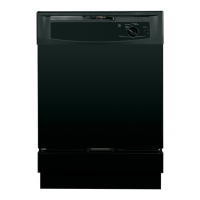
| Color | Black |
| Control Type | Electronic |
| Drying System | Heated Dry |
| Number of Options | 4 |
| Water Filtration System | Yes |
| Racks | 2 |
| Upper Rack Features | Adjustable |
| silverware basket | Yes |
| Energy Star Certified | Yes |
| Water Consumption | 4.5 gallons |
| Capacity | 12 Place Settings |