EasyManua.ls Logo

General Pipe Cleaners Cold-Shot - User Manual

General Pipe Cleaners Cold-Shot
6 pages
Print Icon
To Next Page IconTo Next Page
Loading...
Cold-Shot
Operating Instructions
For 1/8” through 2” metal and plastic lines
(10mm60mm)
Your Cold-Shot is designed to give you
years of trouble-free, profitable service.
However, no machine is better than its op-
erator.
Read, understand and follow all safety
warnings and instructions provided with
the product. Failure to follow the warnings
and instructions may result in electric
shock and/or serious injury. Save all warn-
ings and instructions for future reference.
SAVE THESE INSTRUCTIONS!
M
Question and Answer IconNeed help?

Do you have a question about the General Pipe Cleaners Cold-Shot and is the answer not in the manual?

Summary

General Safety Rules

Operators Manual and General Warnings

Read and understand the operator's manual and all safety warnings before using the machine.

Personal Protective Equipment (PPE)

Always wear safety glasses, rubber-soled shoes, and gloves to prevent injury.

Safe Operation Practices

Operate in a well-ventilated area and avoid over-tightening freeze heads.

Detailed Safety Guidelines

Work Area Safety

Maintain a clean, well-lit work area and keep bystanders away. Avoid open flames.

Personal Safety Precautions

Stay alert, dress properly, maintain footing, and avoid hazardous liquids.

Tool Use and Care

Use correct CO2 cylinders, maintain tools, and use only manufacturer-approved parts.

Specific Safety Rules

Follow specific rules for freeze head handling, impact, and tightening.

Features and How It Works

Cold-Shot Components

Identify key components of the Cold-Shot system, including freeze heads and distributor.

Cold-Shot Operation Principle

Understand how CO2 is used to create dry ice for pipe freezing.

Setup and Operation Procedures

System Setup

Steps for connecting the CO2 cylinder and hoses to the T-distributor.

Freezing Operation

Instructions on stopping fluid flow, applying freeze heads, and operating the valve.

Estimated Freezing Times

Table of freezing times and CO2 requirements based on pipe size and material.

Troubleshooting Guide

Liquid Not Freezing

Diagnose and solve issues where the liquid in the pipe fails to freeze.

Freeze Head Sealing Issues

Address problems with freeze heads not sealing tightly against the pipe.

Extended Freezing Times

Troubleshoot reasons for freezing taking longer than expected.

Frozen Pipe Integrity

Resolve issues where the pipe does not remain frozen after initial application.

Overview

The Cold-Shot™ is a specialized tool designed for freezing liquids within pipes, enabling maintenance and repair work without the need to drain entire systems. It operates by utilizing commercially available carbon dioxide (CO2) to create ice plugs within various types of piping.

Function Description

The primary function of the Cold-Shot is to create a temporary ice plug in a pipe, effectively stopping the flow of liquid. This allows plumbers, maintenance personnel, and other tradespeople to perform repairs, replace valves, or modify piping systems without having to shut down and drain the entire system. The device works on a range of pipe materials, including steel, copper, cast iron, lead, aluminum, and plastic, and accommodates pipe sizes from 1/8" to 2" (10mm-60mm).

The core principle behind the Cold-Shot's operation involves the rapid expansion of liquid carbon dioxide. When CO2 is released from a cylinder equipped with a dip tube, it flows in its liquid state through spiral hoses to specialized freeze heads clamped around the pipe. Inside these freeze heads, the liquid CO2 rapidly expands and converts into dry ice. This dry ice, with a temperature of approximately -110°F (-79°C), quickly cools the surrounding pipe and the liquid within it, causing the liquid to freeze and form a solid ice plug. This ice plug is robust enough to withstand significant pressure, allowing for safe and efficient work on the isolated section of the pipe.

Usage Features

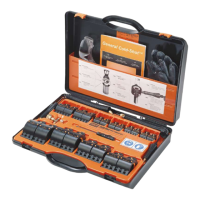
The Cold-Shot system is designed for ease of use and portability, coming in a convenient carrying case that includes all necessary components.

  • Setup:

    • The first step involves preparing the CO2 cylinder. It is crucial to use a cylinder equipped with a dip tube, as this ensures that liquid CO2, rather than gaseous CO2, is drawn from the tank.
    • The connector with the T-distributor is then screwed onto the cylinder valve.
    • Spiral hoses are attached to the T-distributor. If only one freeze head is needed, a locking nut is used to close off one side of the T-distributor.
    • Appropriate freeze heads, corresponding to the pipe size, are selected and placed around the pipe.
    • The freeze heads are secured by evenly tightening the knobs with the provided hex head wrench. It's important to achieve a firm hold without overtightening, as excessive force can cause stress fractures or shattering of the freeze heads.
    • Injectors are then pushed into the bore of the freeze heads until fully inserted and locked in place with a quarter-turn clockwise.
    • For optimal performance, freeze heads should be positioned at least 40 inches (1 meter) apart.
  • Operation:

    • Before initiating the freezing process, it is critical to ensure that the liquid in the pipe is completely stagnant. All pumps must be stopped, and no liquid should be allowed to escape from the pipe. If the water is warm, it should be allowed to cool to room temperature.
    • The cylinder valve is then fully opened. The Cold-Shot automatically controls the amount of CO2 required.
    • As the CO2 expands within the freeze heads, dry ice forms, and frost will begin to develop on the surface of the pipe in the vicinity of the freeze heads. CO2 sputtering from the freeze heads during operation is normal.
    • After a brief period, frost formation indicates the freezing process is underway. If frost does not form as expected, it may indicate that the liquid is still flowing or is too warm, requiring a re-check of the system.
    • To confirm a complete ice blockage, a small valve or fitting behind the desired blockage can be carefully and slightly opened. If liquid leakage stops after a short while, the blockage is operational. If not, the valve or fitting should be closed, and freezing continued. Alternatively, a small hole can be drilled between the ice plug and the repair area to check for leakage.
    • During repair work, the flow of CO2 refrigerant must be continuously maintained. A standby cylinder is recommended to ensure an uninterrupted supply. If a cylinder change is necessary, it must be completed within 7 minutes to prevent the ice pack from melting.
    • Once the repair is complete, the cylinder valve is closed. The pressure in the spiral hoses should be allowed to return to normal before removal.
    • After the ice pack has completely melted, the injectors are carefully unscrewed and removed from the freeze heads, which are then removed from the pipe.
  • Safety Features:

    • The manual emphasizes the importance of wearing safety glasses, rubber-soled non-slip shoes, and gloves to prevent injury from extreme cold (dry ice causes burns upon skin contact).
    • Operating in a well-ventilated area is crucial due to carbon dioxide being heavier than air, which can displace oxygen at ground level and pose a suffocation risk.
    • Warnings are provided against overtightening freeze heads, as this can lead to shattering.
    • The system is designed to prevent interference with nozzles, freeze heads, or valves, including cylinder valves.
    • The Cold-Shot should only be used for its intended purpose, and unauthorized modifications are prohibited.

Maintenance Features

Proper maintenance ensures the longevity and safe operation of the Cold-Shot.

  • General Tool Care:

    • Tools should be stored out of reach of children and untrained individuals.
    • Regular maintenance is essential, including replacing worn parts as early as possible.
    • Before each use, the tool should be inspected for any conditions that might affect its operation. Damaged tools should be serviced by qualified personnel before use.
    • Only manufacturer-recommended parts and accessories should be used for repairs and replacements.
  • Specific Maintenance Points:

    • Freeze heads should be inspected for cracks or other signs of wear before each use and replaced at the first sign of deterioration to prevent shattering during operation.
    • If the CO2 flow is obstructed, clogged filters in the T-distributor or injectors should be checked and replaced.
    • Tool service and maintenance must be performed by qualified repair personnel using identical replacement parts to ensure safety and proper function.
  • Troubleshooting:

    • The manual includes a troubleshooting guide to address common issues such as liquid not freezing, freeze heads not sealing tightly, extended freezing times, or pipes not staying frozen. Solutions often involve checking for liquid flow, ensuring the pipe is full, verifying the use of a CO2 tank with a dip tube, checking for clogged filters, or confirming proper freeze head application.
    • For issues with freezing time, factors like air temperature, water temperature, and pipe type are noted as influencing factors, and having a spare CO2 tank is recommended for larger lines.

By adhering to these operational and maintenance guidelines, users can ensure safe, efficient, and trouble-free performance from their Cold-Shot system.

General Pipe Cleaners Cold-Shot Specifications

General IconGeneral
ModelCold-Shot
BrandGeneral Pipe Cleaners
Pipe CapacityUp to 2 inches
TypePipe freezing tool
UseFreezing pipes
MaterialMetal and Plastic
DiameterVaries by application
RefrigerantCarbon Dioxide

Related product manuals