The Gray QP-50 QUICKPAC™ Container Crusher is a pneumatic-powered device designed for crushing oil filters and paint cans. It is intended for use in the transportation service industry, offering an efficient method for removing a significant percentage of oil trapped in used filters.
Function Description
The QP-50 operates by using a pneumatic ram to crush containers placed within its crushing chamber. The process is initiated by closing and latching the door, which then actuates a control valve, causing the ram to extend and crush the item. After crushing, the door handle is turned counter-clockwise to retract the ram and allow the door to open for removal of the crushed item. The unit is designed to be anchored to a concrete floor for safe operation and includes an interlocking door mechanism to prevent opening while the ram is in operation. A catch basin is integrated to collect drained oil and can be connected to a waste oil container or drum, adhering to national, state, and local regulations for used oil and filter disposal.
Important Technical Specifications
- Dimensions:
- Height: 77 1/8 inches
- Width: 20 1/2 inches
- Depth: 16 3/4 inches
- Weight: 242 lbs.
- Crushing Chamber:
- Height: 9 inches
- Width: 8 inches
- Depth: 8 inches
- Air Inlet: 1/4 female NPT
- Air Pressure: Recommended operating air pressure is 100-PSI minimum for most paint cans and car/light truck filters, with a maximum recommended air pressure of 200 PSI.
- Catch Basin Connection: 3/4 female NPT
The unit is shipped in a lowered position, with the crushing module fastened to the stand. The crushing module weighs 210 lbs, requiring a shop crane or lift truck for safe installation. Four 3/8 or 1/2 inch diameter anchor bolts are recommended for securing the unit to the floor.
Usage Features
- Pneumatic Powered Ram: Provides long life, low maintenance, and quick crushing action. It eliminates the need for electrical connections, thereby removing electrical hazards and issues related to dirty or faulty connections.
- Interlocking Door: A safety feature that restrains the door from opening until the ram is fully raised, preventing injuries and oil splatter during operation.
- Convenient Operation: Designed for single-hand operation to close and latch the door. Once latched, the crushing chamber is completely enclosed.
- Versatile Installation: The unit comes standard with a stand, unlike many competitors' equipment. The catch basin can be connected to the bottom or either side for various waste oil containers. The unit can also be positioned over a workbench by placing the stand post behind it.
- Large Crushing Chamber: Accommodates automotive spin-on filters and up to 1-gallon paint cans.
- Container Compatibility: Recommended for crushing spin-on oil filters, cartridge oil filters with paper elements, and empty paint cans up to 1 gallon. It is explicitly stated not to crush aerosol cans, cylinders of compressed gas, fuel filters, or containers of flammable liquids or solvents.
- Multiple Crushing: Capable of crushing several filters at one time, provided they are of similar height and adequate air pressure is maintained.
- Oil Collection: The catch basin facilitates the collection of oil, with a viewable opening to check the oil level when the door is closed.
Maintenance Features
- Regular Inspections: Visual inspections are recommended before each use, weekly for daily use, and monthly for intermittent use. Inspections should check for abnormal conditions, corrosion, excessive wear, and proper operation of the door and handle latching mechanism.
- Cleaning: The crushing chamber should be cleaned of sludge and foreign objects. The catch basin needs periodic removal and cleaning to clear sludge, semi-solid waste, and foreign material, especially when crushing oil filters with paper elements, to prevent clogging of the outlet.
- Label Maintenance: All warning and capacity labels should be readable and complete. External surfaces and decals can be cleaned with a mild soap solution.
- Control Valve Actuation Adjustment: The setscrew on the door that actuates the control valve and the pawl on the door handle latch are factory-adjusted but can be re-adjusted if the door does not operate correctly. This involves tightening screws, adjusting the setscrew, and verifying ram retraction and door opening.
- Leak Detection: After the air stops flowing, the unit should be checked for excessive leaks that degrade performance. Minor leaks are noted as not adversely affecting operation.
- Damage Protocol: If the unit is subjected to an abnormal shock or load, or if any irregularities or problems are detected during inspection, it must be removed from service immediately and repaired.
- Troubleshooting Guide: The manual includes a troubleshooting section for common issues like the ram not actuating, inadequate crushing action, or oil running over the catch basin, with corresponding causes and solutions.
- Serial Number Location: The serial number is permanently stamped on the inside of the door for easy reference during service inquiries.

 Need help?
 General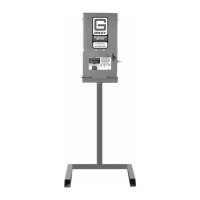

 To Next Page
