EasyManua.ls Logo

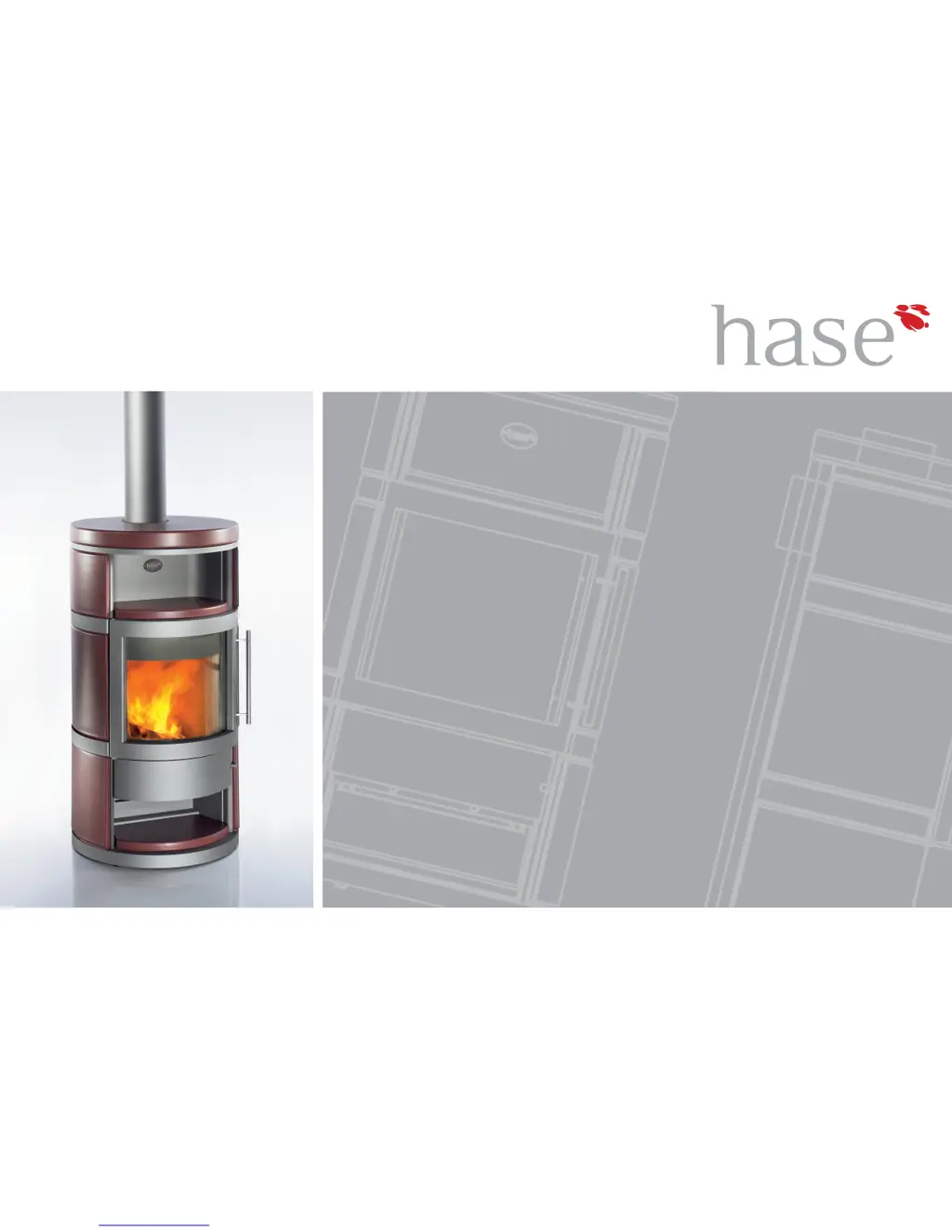
HASE COMO - User Manual

HASE COMO
84 pages
Go to English
Print Icon
To Next Page IconTo Next Page
Loading...
Como
Bedienungsanleitung / Mode d´emploi / Istruzioni operative
Instructions for use / Bedieningshandleiding

Table of Contents

Other manuals for HASE COMO

Questions and Answers

  • A
    Andrea RichardsonJul 26, 2025
    Why does smoke escape into the room when using my HASE Wood stove?
    • D
      David LarsonJul 26, 2025
      Smoke escaping into the room while the stove is in operation can occur for several reasons. It may be due to an inadequate air supply, the butterfly valve being closed too tightly, or the chimney cross section being too narrow. Other potential causes include extremely sooty flue gas ducts in the stove pipe or chimney, wind blowing down on the chimney, or fans creating negative pressure in the living room, drawing smoke from the stove.
  • E
    Erin BensonJul 30, 2025
    Why does my HASE Wood stove produce too much soot?
    • C
      Clayton SchroederJul 30, 2025
      Excessive soot production in your HASE Wood stove, causing the heat-resisting slabs to not stay clean, can be attributed to a few reasons. The outside temperature might be too high, the air supply could be inadequate, or the quantity of wood may be too small, causing the combustion chamber to remain too cold.
  • A
    Adrienne ThompsonAug 3, 2025
    Why the wood burns without a bright, yellow flame in my HASE Wood stove?
    • M
      Michael MichaelAug 3, 2025
      If the wood in your HASE Wood stove burns without a bright, yellow flame, smoulders, or even goes out, it could be because the wood is too damp, the air supply is inadequate, the butterfly valve is closed too tightly, or the outside temperature is too high.
  • B
    Brittany WebsterAug 7, 2025
    Why does smoke escape when I open the fire box door of my HASE Wood stove?
    • S
      Scott GordonAug 8, 2025
      If smoke escapes when you open the fire box door of your HASE Wood stove, it could be due to a weak chimney draught or a chimney cross section that is either too wide or too narrow. Other potential causes include the fire still burning too strongly, opening the fire box door too quickly, fans creating negative pressure in the living room, or the butterfly valve being closed.
  • K
    Kimberly BaileyAug 12, 2025
    Why the wood does not light in my HASE Wood stove?
    • J
      Joseph ColeAug 12, 2025
      If the wood in your HASE Wood stove does not light or lights only slowly, it could be because the wood is too thick, the wood is too damp, or the air supply is inadequate.
  • F
    floresmarciaAug 16, 2025
    Why does my HASE Wood stove not get warm enough even when the fire burns well?
    • M
      Michele AtkinsonAug 16, 2025
      If your HASE Wood stove does not get warm enough even when the fire burns well, it could be because the chimney draught is too strong, or the air sliders are not in the correct position.
  • D
    David PetersenAug 21, 2025
    Why does the wood burn too quickly in my HASE Wood stove?
    • Y
      Yvonne RogersAug 21, 2025
      If the wood burns too quickly in your HASE Wood stove, it could be due to a strong chimney draught, the wood logs being too small, or the control elements being positioned or set incorrectly.

Summary

General Information

Definition of Safety Notes

Explains the meaning of safety symbols used in the manual.

Proper Use

Details the intended use of the stove and what constitutes improper use.

Safety Instructions

Provides essential safety guidelines for operating the stove.

Control Elements

Installation and Safety Regulations

Installation Conditions

Details requirements for installing the stove according to national and European standards.

Safety Distances

Specifies required safety distances to flammable materials around the stove.

Installation Procedure

Provides instructions for the proper installation of the stove and room ventilation.

Chimney Requirements

Flue Pipe Connection

Butterfly Valve Operation

Selecting the Right Fuel

Combustion Air Regulation

Primary Air Control

Explains the role and regulation of primary air for initial heating.

Secondary Air Control

Details the function and adjustment of secondary air for complete combustion.

Fuel Load and Thermal Output

Initial Operation and First Use

Lighting the Fire

Adding Fuel and Heating

Nominal Thermal Output

Instructions for adding fuel and maintaining nominal thermal output.

Brown Coal Briquettes

Details the procedure for heating the stove using brown coal briquettes.

Fire Management Techniques

Banking the Fire

Guidance on maintaining the fire and increasing the stove's temperature.

Low Thermal Output Heating

Instructions for operating the stove at lower heat levels during mild weather.

Low Thermal Output Heating

Wood Procedure

Procedure for heating the stove with wood at low thermal output.

Briquette Procedure

Procedure for heating the stove with briquettes at low thermal output.

Emptying the Ash Drawer

The Combustion Process

Drying Phase

Describes the initial phase where wood moisture evaporates.

Degasification Phase

Details the phase where wood gasifies and decomposes.

Burn-off Phase

Expansion Noises

The Chemistry of Wood

Contribution to Environmental Protection

Evaluating the Combustion Quality

Wood Moisture Content and Calorific Value

Storing and Drying Wood

Cleaning and Maintenance

Steel Cladding

Instructions for cleaning and maintaining the stove's steel exterior.

Flue Gas Paths

Details on inspecting and cleaning the stove's flue gas channels.

Ceramic Glass Panels and Windows

Method for cleaning the stove's glass panels to remove soot.

Fire Box Lining

Sealing Strips

Troubleshooting

Technical Data

CE Declaration of Conformity

HASE COMO Specifications

General IconGeneral
BrandHASE
ModelCOMO
CategoryStove
LanguageEnglish

Related product manuals