EasyManua.ls Logo

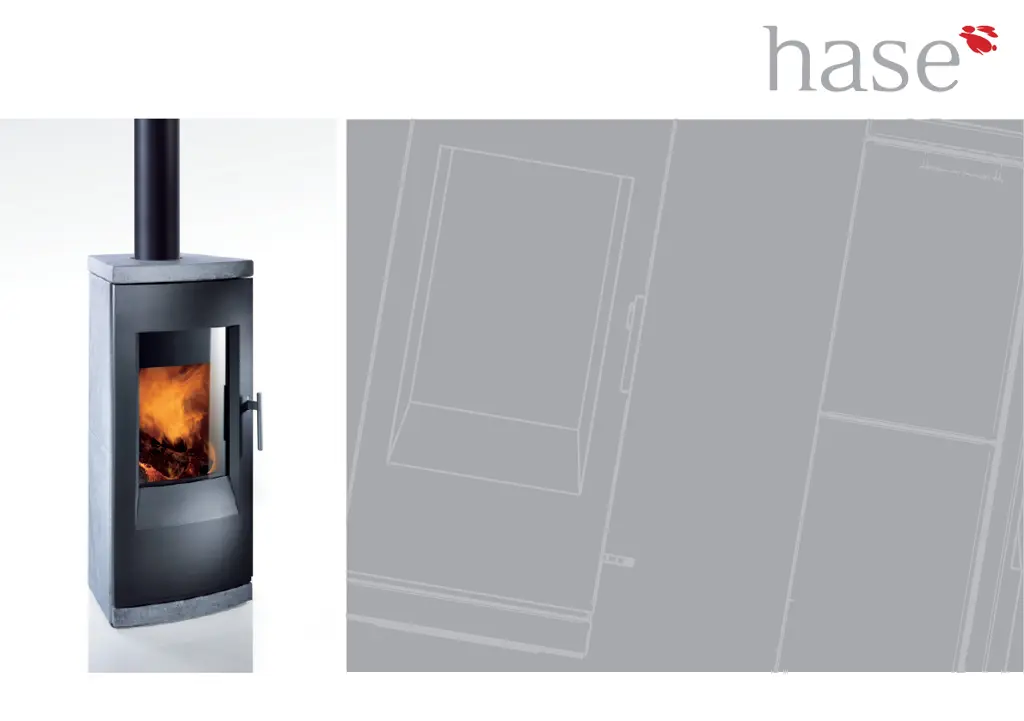
HASE Tula - User Manual

HASE Tula
116 pages
Go to English
Print Icon
To Next Page IconTo Next Page
Loading...
Tula
Bedienungsanleitung / Mode d´emploi / Istruzioni operative
Instructions for use / Bedieningshandleiding

Table of Contents

Questions and Answers

  • K
    Kelly TaylorAug 14, 2025
    Why does smoke escape into the room when using my HASE Wood stove?
    • M
      Madison JohnsonAug 14, 2025
      If smoke escapes into the room while your HASE Wood stove is in operation, the issue might stem from several causes. First, ensure that the air supply is sufficient; if not, increase it. Check the butterfly valve and adjust it if it's closed too tightly. The chimney cross section could be too narrow and needs widening. Sooty flue gas ducts in the stove pipe or chimney require cleaning. Wind blowing down on the chimney may necessitate installing a wind guard. Finally, fans in the bathroom or kitchen could be creating negative pressure, so try turning them off.
  • R
    Robin CurryAug 17, 2025
    How to make the wood light faster in my HASE Tula?
    • J
      Jessica Martin DDSAug 17, 2025
      If the wood in your HASE Wood stove doesn't light easily, there are a few potential reasons. The wood might be too thick, in which case you should use thinner pieces. Alternatively, the wood could be too damp, so ensure you're using dry wood. Also, check that the air supply is adequate and increase it if necessary.
  • J
    Jonathan LinAug 21, 2025
    Why the wood in my HASE Wood stove smoulders and doesn't burn properly?
    • K
      Kyle MorrowAug 21, 2025
      If the wood in your HASE Wood stove is not burning correctly, consider these factors. Ensure you are using dry wood, as damp wood can cause this issue. Insufficient air supply can also lead to smoldering, so increase it. Check the butterfly valve and adjust it if it is too tightly closed. Finally, high outside temperatures can affect the burn, so wait for a cooler temperature.
  • J
    James FernandezAug 25, 2025
    How to prevent the fire box window of my HASE Tula from becoming sooty?
    • K
      kenneth83Aug 25, 2025
      If the fire box window of your HASE Wood stove gets sooty, it could be due to several reasons. The wood might be too damp, so ensure you're using dry wood. The secondary air supply might be inadequate, so try increasing it. Also, a weak chimney draught can contribute to this problem, so consider improving it.
  • O
    Oscar YangAug 27, 2025
    What to do if my HASE Tula Wood stove produces too much soot?
    • I
      irobinsonAug 28, 2025
      If your HASE Wood stove produces too much soot, consider the following. High outside temperatures can cause this, so wait for cooler weather. Ensure the air supply is adequate and increase it if needed. Also, using too little wood can make the combustion chamber too cold, so increase the amount of wood you're using.
  • L
    Lance DunnAug 30, 2025
    Why does the wood burn too quickly in my HASE Wood stove?
    • D
      Dennis GlassAug 30, 2025
      If the wood in your HASE Wood stove is burning too quickly, it could be due to a few reasons. A strong chimney draught can cause this, so try to reduce it. Using small wood logs can also lead to rapid burning, so switch to larger logs. Also, incorrect control element settings can affect the burn rate, so adjust them accordingly.
  • T
    timothydixonSep 3, 2025
    Why does smoke come out when I open the HASE Wood stove door?
    • S
      Susan HaasSep 3, 2025
      If smoke escapes when you open the fire box door of your HASE Wood stove, several factors could be at play. A weak chimney draught can cause this, so improve it. The chimney cross section might be either too wide or too narrow, so adjust it accordingly. If the fire is still burning too strongly, wait for it to reduce in intensity. Opening the door too quickly can also cause smoke to escape, so open it slowly. Finally, fans creating negative pressure in the living room might be the culprit, so turn them off.
  • K
    Karen AndersonSep 6, 2025
    Why doesn't my HASE Wood stove get warm enough even when the fire is good?
    • D
      Dr. Dylan SmithSep 6, 2025
      If your HASE Wood stove isn't getting warm even when the fire is burning well, consider these points. A strong chimney draught might be drawing heat away too quickly, so reduce it. Also, check the air sliders and adjust them to the correct position.
  • C
    Caleb WilliamsSep 10, 2025
    Why is my HASE Tula chimney wet and leaking?
    • J
      Jennifer RiveraSep 12, 2025
      If your HASE Wood stove's chimney becomes wet and coated with creosote, and condensate leaks from the stove pipe, it could be due to several reasons. The wood might be too damp, so ensure you're using dry wood. The flue gases could be too cold, so increase their temperature. The chimney itself might be too cold, so consider insulating it. Also, the chimney cross section might be too wide, so reduce it.

Summary

General Information

Definition of Safety Notes

Explains the meaning of warning symbols used throughout the document.

Proper Use

Details the intended use and limitations of the stove.

Safety Instructions

Outlines critical safety precautions for operating the stove.

Control Elements Tula Standard

Control Elements Tula direct vent stove

Installation Conditions and Relevant Building Regulations

Safety Distances

Installation Tula Standard

Installation Tula direct vent stove

The Chimney Tula Standard

The Chimney Tula direct vent stove

Specifies chimney requirements for the Tula direct vent stove.

Flue Pipe Connection

Flue Pipe Connection Tula Standard

Details flue pipe connection for the Tula Standard model.

Flue Pipe Connection Tula direct vent stove

Details flue pipe connection for the Tula direct vent stove.

Combustion Air Connection Tula direct vent stove

Butterfly Valve Tula Standard

Fuel Load Sizes and Thermal Output

Regulating the Combustion Air

The Right Fuel

Initial Operation

Lighting the Fire

Lighting the Fire Tula Standard

Step-by-step guide to lighting the fire in the Tula Standard.

Lighting the Fire Tula direct vent stove

Step-by-step guide to lighting the fire in the Tula direct vent stove.

Adding Fuel; Heating at Nominal Thermal Output

Adding Fuel; Heating Tula Standard

Procedure for adding fuel to the Tula Standard model.

Adding Fuel; Heating Tula direct vent stove

Procedure for adding fuel to the Tula direct vent stove.

Heating at Low Thermal Output Tula Standard

Emptying the Ash Drawer

The Combustion Process

Drying Phase

Describes the evaporation of moisture from the wood.

Degasification Phase

Details the release of volatile components from the wood.

Burn-off Phase

Explains the combustion of charcoal embers.

Expansion Noises

Discusses audible noises caused by thermal expansion and contraction.

The Chemistry of Wood

Contribution to Environmental Protection

Evaluating the Combustion Quality

Wood Moisture Content and Calorific Value

Storing and Drying Wood

Cleaning and Maintenance

Steel Cladding

Instructions for cleaning and maintaining the steel exterior.

Flue Gas Paths

Guidance on cleaning the internal flue gas passages.

Ceramic Glass Panels and Windows

Methods for cleaning the stove's glass panels.

Fire Box Lining

Information on the heat-resistant slabs in the fire box.

Sealing Strips

Information on the wear and replacement of sealing strips.

Troubleshooting

Technical Data

CE Declaration of Conformity

Socket variations Tula direct vent stove

HASE Tula Specifications

General IconGeneral
Flue diameter150 mm
FuelWood
Max. log length33 cm
MaterialSteel
Nominal heat output5.0 kW
Efficiency80%
Weight148 kg (steel), 208 kg (soapstone)

Related product manuals