EasyManua.ls Logo

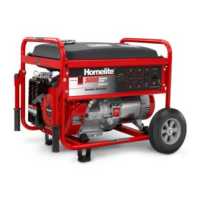
Homelite HGCA4500 - User Manual

Homelite HGCA4500
60 pages
Print Icon
To Next Page IconTo Next Page
Loading...
SAVE THIS MANUAL FOR FUTURE REFERENCE
Your generator has been engineered and manufactured to our high standard for dependability, ease of operation, and op-
erator safety. When properly cared for, it will give you years of rugged, trouble-free performance.
DANGER: You WILL be KILLED or SERIOUSLY HURT if you do not follow the instructions in this operator’s
manual.
Thank you for your purchase.
Ce générateur a été conçu et fabriqué conformément à nos
strictes normes de fiabilité, de simplicité d’emploi et de sécurité
d’utilisation. Correctement entretenu, il vous donnera des années
de fonctionnement robuste et sans problème.
DANGER : Le non-respect des instructions fournies
dans ce manuel d’utilisation entraînera des BLESSURES
GRAVES, voire MORTELLES.
Merci de votre achat.
Su generador ha sido diseñado y fabricado de conformidad con
estrictas normas para brindar fiabilidad, facilidad de uso y seguridad
para el operador. Con el debido cuidado, le brindará muchos años
de sólido y eficiente funcionamiento.
PELIGRO: El incumplimiento de las instrucciones en
este manual del operador puede CAUSARLE LA MUERTE O
LESIONARLE GRAVEMENTE.
Le agradecemos su compra.
CONSERVER CE MANUEL POUR
FUTURE RÉFÉRENCE
GUARDE ESTE MANUAL PARA
FUTURAS CONSULTAS
OPERATOR’S MANUAL
Manuel d’utilisation
Manual del operador
4500 WATT GENERATOR
Générateur de 4500 watts
Generador 4500 watts
NEUTRAL BONDED TO FRAME
(CONNECTEUR NEUTRE RELIÉ AU CADRE, PUNTO NEUTRO CONECTADO AL MARCO)
00:00
ON / MARCHE
OFF / ARRET
ON / MARCHE
OFF / ARRET


Other manuals for Homelite HGCA4500

Questions and Answers

Homelite HGCA4500 Specifications

General IconGeneral
Max AC Output4500W
Fuel TypeGasoline
Engine Type4-stroke OHV
Engine Displacement224cc
Runtime at 50% Load10 hours
Starting SystemRecoil
Voltage120/240V
Frequency60 Hz
Noise Level68 dBA at 23 ft
Generator TypePortable
Outlets(2) 120V 20A Outlets, (1) 120/240V Twist Lock Outlet
Starting Watts4500W

Summary

Introduction

Grounding the Generator

Instructions on how to properly ground the generator to prevent electrical shock.

Important Safety Instructions

DANGER: Carbon Monoxide

Generator exhaust contains deadly carbon monoxide gas. Never use indoors.

WARNING: Read and Understand All Instructions

Failure to follow instructions may result in electrocution, fire, or carbon monoxide poisoning.

WARNING: Grounding Requirements

Generator must be grounded to an approved earth ground per National Electric Code.

General Safety Precautions

Covers general safe practices for operating and storing the generator.

Specific Safety Rules

Building Wiring System Connection

Generator must be connected to a building's electrical system via a transfer switch by a qualified electrician.

Carbon Monoxide Hazard

Generator exhaust is poisonous carbon monoxide. Ensure adequate ventilation.

Carbon Monoxide Detector Use

Always use a CO detector. Seek fresh air if feeling sick, dizzy, or weak.

Generator Placement

Position the generator on a flat, stable surface for safe operation.

Operating Environment

Operate in a well-ventilated, well-lit area away from noise interference.

Wet Conditions Warning

Avoid operating the generator in wet conditions to prevent electrocution.

Combustible Material Clearance

Keep generator at least 3 feet away from combustible materials to prevent fire.

Hazardous Material Operation

Do not operate the generator near hazardous materials.

Filling Station Operation

Do not operate the generator at a gas or natural gas filling station.

Hot Surface Warning

Muffler and cylinder are hot; avoid contact to prevent burns.

Neutral Bonded Condition

The generator's neutral conductor is electrically connected to the frame.

Transfer Switch Requirement

Connect to building systems only via a properly installed transfer switch.

Fuel Tank Filling

Do not overfill fuel tank; leave 1 inch space for expansion. Keep vent clear.

Refueling Safety

Do not smoke while filling the generator with gasoline.

Engine Cooling Before Refueling

Allow engine to cool before adding gasoline or lubricant.

Dipstick;Cap Removal

Do not remove oil dipstick or fuel cap while engine is running.

Safety Label Attention

Always pay attention to all safety labels on the generator.

Childrens Safety

Keep children at least 10 feet away from the generator.

Optimal Operating Conditions

Optimal operating temperatures are 23°F to 104°F with 90% or less humidity.

High-Altitude Performance

High-altitude performance may require modifications; contact service.

Electronic Equipment Compatibility

Check electronic equipment requirements before plugging in; use load conditioner for solid state devices.

Symbols

Signal Word Meanings

Explains the meaning of danger, warning, and caution signal words used in the manual.

Understanding Safety Symbols

Explanation of common symbols used on the generator for safety and operation.

Symbols

Hazard Symbols

Details symbols related to fire, hot surfaces, lifting, grounding, and electrocution hazards.

Service Information

Information on obtaining service and authorized replacement parts.

Service Safety Warning

Warning to observe safety precautions to avoid electrical shock during service.

Safety Labels

Operator Instruction Warning

Warning about serious injury or death if operator's manual instructions are not followed.

Fire Risk Warning

Warning regarding the risk of fire when adding fuel while the product is operating.

Electric Shock Hazard

Warning about electric shock hazard from moisture, rain, or wet hands/feet.

Carbon Monoxide Warning

Warning about poisonous carbon monoxide gas in exhaust fumes.

Grounding Failure Warning

Warning that improper grounding can lead to electrocution.

Moisture Exposure Warning

Warning not to expose the generator to rain or use in damp locations.

FUEL WARNING

Safety instructions for handling and refueling the generator with gasoline.

ENGINE LUBRICANT WARNING

Warning about the importance of adding lubricant before operation.

GROUNDING WARNING

Warning that the generator must be grounded to an approved earth ground.

HOT SURFACE WARNING

Warning about hot surfaces on the engine and muffler.

Electrical

Extension Cord Cable Size

Table detailing maximum allowable cord length based on wire gauge and load.

Electric Motor Loads

Estimating watts required to start electric motors, considering running and starting loads.

Electronic Equipment Caution

Caution regarding voltage/frequency compatibility for electronic equipment.

Electrical

Generator Capacity

Guidance on selecting items to power and calculating total wattage requirements.

Generator Overload Caution

Caution against overloading the generator, which can cause damage.

Power Management

Steps for sequentially connecting loads to the generator for optimal performance.

Features

Product Specifications

Technical specifications for the engine and generator, including dimensions and weight.

Know Your Generator

Guidance on understanding the product and its operating features and safety rules.

AC Circuit Breakers

Description of circuit breakers used for overload protection and how to reset them.

Air Filter Function

Explanation of the air filter's function in limiting dirt and dust intake.

Choke Lever Operation

Description of the choke lever's function for starting the engine.

Fuel Tank Capacity

Information on the fuel tank capacity.

Fuel Valve Control

Explanation of the fuel valve's role in controlling fuel flow.

Ground Terminal Purpose

Purpose of the ground terminal for electrical safety and grounding requirements.

Multifunctional Digital Display

Description of the digital display's indicators: voltage, frequency, and hours.

Oil Cap and Dipstick

Location of the oil fill cap for checking and adding lubricant.

Oil Drainage Bolt

Location of the oil drainage bolt for changing engine lubricant.

Generator Receptacles

Details on the generator's outlets: 120V AC and 120/240V AC receptacles.

Recoil Starter Grip Use

Description of the recoil starter grip for starting the engine.

Assembly

Assembly Completion Warning

Warning: Do not operate the generator until assembly is fully completed.

Loose Parts List

List of loose parts included with the generator for assembly.

Unpacking Instructions

Instructions for unpacking the generator and verifying included parts.

Pre-assembly Check Warning

Warning regarding checking for proper pre-assembly and contacting service if issues are found.

Shipping Damage Inspection

Instructions to inspect the unit for shipping damage.

Packing Material Retention

Advise not to discard packing material until product is inspected and satisfactorily operated.

Damaged or Missing Parts

Instruction to contact customer service if parts are damaged or missing.

Product Modification Warning

Warning against modifying the product or using unrecommended accessories.

Pre-Assembly Fuel;Lubricant Note

Note: Do not add fuel or lubricant before installing feet and wheels.

Installing Generator Feet

Step-by-step instructions for installing the generator's feet.

Installing Generator Wheels

Step-by-step instructions for installing the generator's wheels.

Assembly

Attaching Generator Handles

Instructions for attaching the generator's handles.

Lifting Generator Warning

Warning: Do not lift the generator by the handle assembly; use the frame instead.

Operation

Carbon Monoxide Danger

Generator exhaust contains deadly carbon monoxide gas. Never use indoors.

Grounding Danger

Warning that improper grounding can lead to electrocution.

Carelessness Warning

Warning against becoming careless due to familiarity with the product.

Unapproved Accessories Warning

Warning against using unrecommended attachments or accessories.

Pre-Operation Inspection

Pre-use inspection for damaged, missing, or loose parts. Replace before operating.

Operation

Generator Applications

Describes compatible electrical loads, appliances, tools, and motor loads for the generator.

Before Operating the Unit

Essential steps before operating the generator: outdoor use, flat surface.

Lubricant Fill Caution

Caution: Starting the engine without proper lubricant will cause failure.

Checking and Adding Lubricant

Detailed steps for checking and adding engine lubricant, including recommended type.

Checking and Adding Fuel

Instructions for checking and adding fuel, including recommended gasoline type.

Using Fuel Stabilizer

Advice on using fuel stabilizer to extend fuel life and prevent deposits.

Oxygenated Fuels Warning

Warning against using E85 fuel; E10 and E15 are acceptable.

Lubricant Level Check Reminder

Caution: Check lubricant level on a level surface before each generator use.

Starting the Engine

Step-by-step guide on how to start the generator engine, including choke and recoil starter use.

Stopping the Engine

Instructions for stopping the engine under normal and emergency conditions.

Maintenance

Replacement Parts Warning

Warning: Use only identical Homelite replacement parts for servicing.

Customer Serviceable Parts

Only specified parts can be repaired/replaced by the customer; others need authorized service.

General Maintenance Guidelines

General maintenance guidelines: keeping the generator clean, dry, and free from debris.

Air Filter Maintenance

Detailed steps for checking and cleaning the air filter for optimal performance.

Engine Lubricant Change

Step-by-step instructions for changing the engine lubricant and proper disposal.

Spark Plug Maintenance

Instructions for checking, cleaning, and replacing the spark plug, including gap measurement.

Maintenance

Exhaust Port and Muffler Cleaning

Guidance on cleaning carbon deposits from the exhaust port and muffler.

Spark Arrestor Maintenance

Instructions for cleaning or replacing the spark arrestor.

Fuel System Draining

Steps to drain fuel from the tank and carburetor to prevent gum deposits before storage.

Fuel Tank Draining

Detailed steps for draining the fuel tank.

Carburetor Draining

Instructions for draining the carburetor.

Used Fuel Disposal Note

Note on consulting hazardous waste guidelines for used fuel disposal.

Transporting the Generator

Guidelines for safely transporting the generator, including emptying the fuel tank.

Maintenance

Generator Storage Guidelines

Guidelines for preparing the generator for storage based on duration.

Maintenance Schedule

Schedule of recommended maintenance tasks and their intervals (before use, monthly, quarterly, etc.).

Troubleshooting

Engine Will Not Start

Troubleshooting steps for when the engine fails to start.

Engine Lacks Power

Troubleshooting steps for when the generator lacks power.

AC Receptacle Not Working

Troubleshooting steps for when AC receptacles are not functioning.

Engine Knocking;Pinging Noise

Troubleshooting steps for engine knocking or pinging noises.

Persistent Problem Assistance

Recommendation to contact service center if problems persist.

Emission Symptom Diagnosis

Instructions to have the unit inspected and repaired by a service center for emission-related symptoms.

Warranty

Limited Warranty Coverage

Details of the limited warranty coverage, including duration and conditions.

Warranty Exclusions

List of items and conditions not covered by the warranty.

Warranty Voiding Conditions

Conditions under which the warranty may be voided.

Repair Authorization Requirement

Requirement for company authorization for any repairs or adjustments.

Sales Slip for Warranty

Advice to save the sales slip as proof of purchase for warranty service.

Warranty Exclusions and Limitations

Legal statement on warranty exclusions, limitations, and implied warranties.

Obtaining Warranty Service

Contact information and instructions for obtaining warranty service.

Warranty

EPA Emission Control Warranty

Statement of EPA emission control warranty for small off-road engines.

Owner Warranty Responsibilities

Explanation of purchaser's/owner's responsibilities regarding maintenance and warranty.

Manufacturer Emission Warranty

Details of the manufacturer's emission control system warranty coverage for engines.

Purchaser Warranty Responsibilities

Owner's responsibilities for maintenance, retaining receipts, and proper use.

Emission Control System Warranty

Explanation of the Emission Control System Warranty for 1997 and later model engines.

Service and Repair Parts

Contacting Authorized Service

Instructions to contact the nearest Homelite authorized service dealer for parts or service.

Repair Parts Information

Information on finding the model number and recording the serial number for repair parts.

Related product manuals