EasyManua.ls Logo

Honda ST1300 2007 - User Manual

Honda ST1300 2007
221 pages
Print Icon
To Next Page IconTo Next Page
Loading...
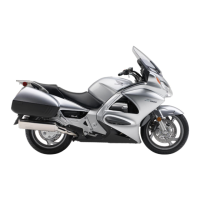
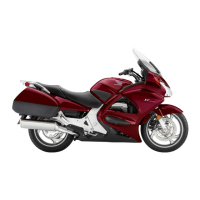
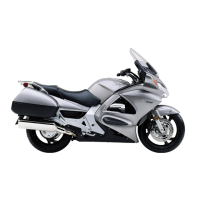
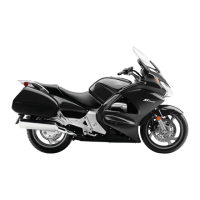
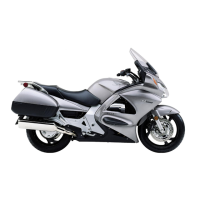
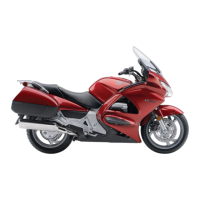
The vehicle pictured on the front cover may not match your vehicle.
No part of this publication may be reproduced without written permission.
This publication includes the latest production information available before
printing. Honda Motor Co., Ltd. reserves the right to make changes at any time
without notice and without incurring any obligation.
This Owner’s Manual covers the and models. You
may find descriptions of equipment and features that are not on your particular
model.
All illustrations are based on the model, unless noted otherwise.
This manual should be considered a permanent part of the motorcycle and
should remain with the motorcycle when it is resold.
2006 Honda Motor Co., Ltd.
ST1300A
ST1300A
ST1300
06/11/24 11:53:05 31MCS640 0001 

Table of Contents

Question and Answer IconNeed help?

Do you have a question about the Honda ST1300 2007 and is the answer not in the manual?

Summary

Introduction

Introduction

General overview and purpose of the owner's manual.

A Few Words About Safety

Safety Messages

Explanation of signal words and safety alert symbols used in the manual.

Safety Labels

Explanation of safety information provided on labels on the motorcycle.

Motorcycle Safety

Important Safety Information

Key recommendations for riding safely, including helmet use and defensive riding.

Accessories & Modifications

Guidelines and warnings regarding the use of accessories and modifications.

Accessories & Modifications

Accessories

Recommendations for using genuine Honda accessories and guidelines for non-Honda accessories.

Instruments & Controls

Operation Component Locations

Diagrams showing the location of various controls and components on the motorcycle.

Gauges & Indicators

Lamp Check

Procedure to verify that indicator lights are functioning correctly when the ignition is turned on.

Multi-display

Initial Display

Description of what the multi-display shows when the ignition switch is turned on.

Fuel Gauge

Explanation of the fuel gauge display and its segments.

Odometer;Tripmeter

Explanation of the odometer and tripmeter functions and how to use them.

Digital Clock

Instructions on how to adjust the digital clock display.

Controls & Features

Ignition Switch

Description of the ignition switch positions and their functions.

Start Button

Operation of the starter button for starting the engine.

Engine Stop Switch

How to use the engine stop switch for normal and emergency engine shutdown.

Headlight Dimmer Switch

How to operate the switch to select high or low beams for the headlight.

Turn Signal Switch

How to operate the turn signal switch and cancel the lights.

Horn Button

How to operate the horn to alert other motorists.

Hazard Switch

How to activate the hazard lights for stopping in traffic or disabled situations.

Headlight Beam Adjustment Knob

How to adjust the headlight beam height for different loads and road conditions.

Are You Ready to Ride?

Protective Apparel

Recommendations for wearing appropriate protective gear for riding.

Helmets and Eye Protection

Importance of helmets and eye protection for rider safety.

Is Your Motorcycle Ready to Ride?

Pre-ride Inspection

Checklist of items to inspect before riding the motorcycle.

Load Limits & Guidelines

Loading

Information on how much weight to put on the motorcycle and how to load it.

Load Limits

Specific weight capacities for the motorcycle and its compartments.

Loading Guidelines

Guidelines for safely loading cargo and a passenger onto the motorcycle.

Cargo Compartments

Saddlebags

Instructions for opening, closing, and locking the motorcycle's saddlebags.

Fairing Pockets

Instructions for opening and closing the fairing pockets.

Comfort & Convenience Adjustment

Windscreen Height Adjustment

Information on adjusting the windscreen height for rider preference and comfort.

Safe Riding Precautions

Starting & Stopping the Engine

Preparation

Checks to perform before starting the engine, including indicator lights.

Starting Procedure

Step-by-step instructions for starting the engine.

Flooded Engine

Procedure to clear a flooded engine if it fails to start.

Bank Angle Sensor Ignition Cut-off System

Explanation of the system that stops the engine if the motorcycle is overturned.

How to Stop the Engine

Methods for stopping the engine, including normal and emergency procedures.

Shifting Gears

Recommended Shift Points

Recommended speeds for shifting gears for optimal performance and economy.

While You Are Riding

Checks to perform while riding and warnings about indicators.

Braking

Anti-Lock Brake System (ABS) (Models equipped with ABS)

Explanation of how the ABS system works and its limitations.

ABS Indicator Light (Models equipped with ABS)

Meaning of the ABS indicator light and what it signifies.

Parking

Theft-Prevention Tips

Advice on how to prevent motorcycle theft and secure the vehicle.

Riding with a Passenger or Cargo

The Importance of Maintenance

Maintenance Safety

Important Safety Precautions

Essential safety precautions to follow before and during maintenance tasks.

Periodic Maintenance

Maintenance Schedule

Maintenance Record

Maintenance Component Locations

Tool Kit

Owner’s Manual Storage

Seat Removal

Saddlebag Removal

Cover Removal

Side Cover Removal

Procedure for removing the motorcycle's side covers for maintenance access.

Maintenance Lid Removal

Steps to remove maintenance lids for accessing specific components.

Overhead Cover Removal

Procedure for removing overhead covers for maintenance access.

Rearview Mirrors

Clip Removal

Raising the Fuel Tank

Fuel

Fuel Recommendation

Recommended fuel type, octane rating, and unleaded gasoline usage.

Fuel Capacity

Information on the fuel tank capacity, including reserve.

Refueling Procedure

Step-by-step instructions for refueling the motorcycle safely.

Engine Oil & Filter

Oil Recommendation

API classification, viscosity, and recommended oil types for the engine.

Checking & Adding Oil

Procedure for checking engine oil level and adding oil if needed.

Changing Engine Oil & Filter

Detailed steps for draining engine oil and replacing the oil filter.

Add Engine Oil

Instructions for filling the engine crankcase with the recommended oil.

Coolant

Coolant Recommendation

Recommended coolant type, mixture, and precautions for use.

Checking & Adding Coolant

Procedure for checking and adding coolant to the reserve tank.

Coolant Replacement

Information on when and how coolant should be replaced.

Air Cleaner

Replacement

Step-by-step instructions for replacing the air cleaner element.

Final Drive Oil

Oil Recommendation

Recommended oil type and viscosity for the final drive.

Checking & Adding Oil

Procedure for checking and adding oil to the final drive.

Changing Oil

Detailed steps for changing the final drive oil.

Throttle

Throttle Freeplay

How to check and adjust the freeplay in the throttle grip.

Throttle Inspection

Checks for proper throttle assembly positioning and bolt tightness.

Clutch System

Fluid Level Inspection

How to check the clutch fluid level and identify potential leaks.

Other Inspections

Checks for fluid leaks, hose condition, and clutch lever assembly.

Engine Idle Speed

Idle Speed Adjustment

Procedure for adjusting the engine idle speed to the specified rpm.

Spark Plugs

Spark Plug Recommendation

Recommended spark plug types and heat ranges for optimal performance.

Spark Plug Replacement & Inspection

Step-by-step guide for replacing and inspecting spark plugs.

Suspension

Rear Suspension Adjustment

Adjusting spring pre-load and rebound damping for different loads and riding conditions.

Rear Suspension Spring Pre-load

Instructions for adjusting the spring pre-load on the rear suspension.

Rear Suspension Damping

Instructions for adjusting the rebound damping on the rear suspension.

Brakes

Front Brake Lever Adjustment

How to adjust the distance between the brake lever and grip.

Brake Fluid Recommendation

Recommended brake fluid type and handling precautions.

Fluid Level Inspection

How to check front and rear brake fluid levels and identify issues.

Brake Pad Wear

Procedure for inspecting front and rear brake pads for wear.

Brake System Inspection

How to inspect the overall brake system for proper function.

Tires

Air Pressure

Importance of proper tire inflation and how to check it.

Inspection

How to visually inspect tires for damage, wear, and foreign objects.

Tire Repair

Recommendations and warnings regarding temporary and permanent tire repairs.

Tire Replacement

Guidelines for replacing tires with recommended sizes and types.

Side Stand

Battery

Battery Storage

Recommendations for storing the motorcycle battery properly.

Battery Charging

Instructions and recommendations for charging the motorcycle battery.

Removal

Step-by-step procedure for removing the motorcycle battery.

Installation

Step-by-step procedure for installing the motorcycle battery.

Appearance Care

General Recommendations

Tips for cleaning and maintaining the motorcycle's appearance.

Washing Your Motorcycle with a Mild Detergent

Detailed steps for washing the motorcycle using mild detergent.

Cleaning Your Windscreen

Instructions on how to clean the motorcycle windscreen without causing damage.

Spray Cleaning Your Motorcycle

Suggestions for using spray cleaners on different motorcycle conditions.

Painted Aluminum Wheel Maintenance

How to clean and maintain painted aluminum wheels.

Exhaust Pipe And Muffler Maintenance

Procedure for cleaning and maintaining the exhaust pipe and muffler.

Clean the Matte Painted Surface

How to clean matte painted surfaces on the motorcycle.

Finishing Touches

Tips on polishing and applying touch-up paint for a finished look.

Storing Your Honda

Preparation for Storage

Procedures to prepare the motorcycle for extended storage.

Removal from Storage

Steps to take when removing the motorcycle from storage and preparing to ride.

Transporting Your Motorcycle

You & the Environment

General Guidelines

If Your Engine Quits or Won’t Start

Starter motor doesn’t operate

Troubleshooting steps when the starter motor does not operate.

Starter motor works, but the engine won’t start

Troubleshooting steps when the starter works but the engine won't start.

Engine starts, but stalls as you shift into gear

Troubleshooting steps when the engine starts but stalls when shifting into gear.

Engine starts, but runs poorly

Common causes and solutions when the engine starts but runs poorly.

If You Have a Flat Tire

Option 1: Have Your Motorcycle Transported

Procedures for transporting the motorcycle if a tire has major damage.

Option 2: Make a Temporary Roadside Repair

Steps for making a temporary repair to a punctured tire.

Types of Temporary Repairs

Description of temporary tire repair methods and necessary equipment.

Should You Repair or Replace a Tire?

Guidance on whether to repair or replace a punctured or damaged tire.

Emergency Front Wheel Removal;Installation

Procedure for removing and installing the front wheel in an emergency.

If Your Engine Overheats

Emergency Rear Wheel Removal;Installation

Procedure for removing and installing the rear wheel in an emergency.

If the Low Oil Pressure Indicator Lights

If a Fuse Blows

If You Crash

If You Lose Your Key

If Your Battery Is Low (or Dead)

Vehicle Identification

Serial Numbers

Location and importance of VIN and engine serial numbers.

Color Label & Code

Location of the color label and its importance for ordering parts.

Specifications

Lights

Specifications for all lights on the motorcycle, including wattage and type.

Fuses

List of fuses and their ratings for the motorcycle's electrical system.

Torque Specifications

Important torque values for various fasteners and components.

Break-in Guidelines

Emission Control Systems

Exhaust Emission Requirements

Information on exhaust emission standards and compliance.

Noise Emission Requirements

Information on noise emission standards and compliance.

Warranty Compliance

How to maintain warranty coverage for emission control systems.

Evaporative Emission Control System

Explanation of the system managing fuel vapor emissions.

Crankcase Emission Control System

Explanation of the system preventing crankcase emissions.

Problems That May Affect Motorcycle Exhaust Emissions

Symptoms indicating potential issues with exhaust emission control.

Noise Emission Control System

Regulations and prohibitions related to the motorcycle's noise control system.

Catalytic Converters

Oxygenated Fuels

Warranty Coverage

Warranty Service

Contacting Honda

Your Honda Dealer

The Honda Rider’s Club (USA only)

Reporting Safety Defects (USA only)

Quick Reference

Summary

Introduction

Introduction

General overview and purpose of the owner's manual.

A Few Words About Safety

Safety Messages

Explanation of signal words and safety alert symbols used in the manual.

Safety Labels

Explanation of safety information provided on labels on the motorcycle.

Motorcycle Safety

Important Safety Information

Key recommendations for riding safely, including helmet use and defensive riding.

Accessories & Modifications

Guidelines and warnings regarding the use of accessories and modifications.

Accessories & Modifications

Accessories

Recommendations for using genuine Honda accessories and guidelines for non-Honda accessories.

Instruments & Controls

Operation Component Locations

Diagrams showing the location of various controls and components on the motorcycle.

Gauges & Indicators

Lamp Check

Procedure to verify that indicator lights are functioning correctly when the ignition is turned on.

Multi-display

Initial Display

Description of what the multi-display shows when the ignition switch is turned on.

Fuel Gauge

Explanation of the fuel gauge display and its segments.

Odometer;Tripmeter

Explanation of the odometer and tripmeter functions and how to use them.

Digital Clock

Instructions on how to adjust the digital clock display.

Controls & Features

Ignition Switch

Description of the ignition switch positions and their functions.

Start Button

Operation of the starter button for starting the engine.

Engine Stop Switch

How to use the engine stop switch for normal and emergency engine shutdown.

Headlight Dimmer Switch

How to operate the switch to select high or low beams for the headlight.

Turn Signal Switch

How to operate the turn signal switch and cancel the lights.

Horn Button

How to operate the horn to alert other motorists.

Hazard Switch

How to activate the hazard lights for stopping in traffic or disabled situations.

Headlight Beam Adjustment Knob

How to adjust the headlight beam height for different loads and road conditions.

Are You Ready to Ride?

Protective Apparel

Recommendations for wearing appropriate protective gear for riding.

Helmets and Eye Protection

Importance of helmets and eye protection for rider safety.

Is Your Motorcycle Ready to Ride?

Pre-ride Inspection

Checklist of items to inspect before riding the motorcycle.

Load Limits & Guidelines

Loading

Information on how much weight to put on the motorcycle and how to load it.

Load Limits

Specific weight capacities for the motorcycle and its compartments.

Loading Guidelines

Guidelines for safely loading cargo and a passenger onto the motorcycle.

Cargo Compartments

Saddlebags

Instructions for opening, closing, and locking the motorcycle's saddlebags.

Fairing Pockets

Instructions for opening and closing the fairing pockets.

Comfort & Convenience Adjustment

Windscreen Height Adjustment

Information on adjusting the windscreen height for rider preference and comfort.

Safe Riding Precautions

Starting & Stopping the Engine

Preparation

Checks to perform before starting the engine, including indicator lights.

Starting Procedure

Step-by-step instructions for starting the engine.

Flooded Engine

Procedure to clear a flooded engine if it fails to start.

Bank Angle Sensor Ignition Cut-off System

Explanation of the system that stops the engine if the motorcycle is overturned.

How to Stop the Engine

Methods for stopping the engine, including normal and emergency procedures.

Shifting Gears

Recommended Shift Points

Recommended speeds for shifting gears for optimal performance and economy.

While You Are Riding

Checks to perform while riding and warnings about indicators.

Braking

Anti-Lock Brake System (ABS) (Models equipped with ABS)

Explanation of how the ABS system works and its limitations.

ABS Indicator Light (Models equipped with ABS)

Meaning of the ABS indicator light and what it signifies.

Parking

Theft-Prevention Tips

Advice on how to prevent motorcycle theft and secure the vehicle.

Riding with a Passenger or Cargo

The Importance of Maintenance

Maintenance Safety

Important Safety Precautions

Essential safety precautions to follow before and during maintenance tasks.

Periodic Maintenance

Maintenance Schedule

Maintenance Record

Maintenance Component Locations

Tool Kit

Owner’s Manual Storage

Seat Removal

Saddlebag Removal

Cover Removal

Side Cover Removal

Procedure for removing the motorcycle's side covers for maintenance access.

Maintenance Lid Removal

Steps to remove maintenance lids for accessing specific components.

Overhead Cover Removal

Procedure for removing overhead covers for maintenance access.

Rearview Mirrors

Clip Removal

Raising the Fuel Tank

Fuel

Fuel Recommendation

Recommended fuel type, octane rating, and unleaded gasoline usage.

Fuel Capacity

Information on the fuel tank capacity, including reserve.

Refueling Procedure

Step-by-step instructions for refueling the motorcycle safely.

Engine Oil & Filter

Oil Recommendation

API classification, viscosity, and recommended oil types for the engine.

Checking & Adding Oil

Procedure for checking engine oil level and adding oil if needed.

Changing Engine Oil & Filter

Detailed steps for draining engine oil and replacing the oil filter.

Add Engine Oil

Instructions for filling the engine crankcase with the recommended oil.

Coolant

Coolant Recommendation

Recommended coolant type, mixture, and precautions for use.

Checking & Adding Coolant

Procedure for checking and adding coolant to the reserve tank.

Coolant Replacement

Information on when and how coolant should be replaced.

Air Cleaner

Replacement

Step-by-step instructions for replacing the air cleaner element.

Final Drive Oil

Oil Recommendation

Recommended oil type and viscosity for the final drive.

Checking & Adding Oil

Procedure for checking and adding oil to the final drive.

Changing Oil

Detailed steps for changing the final drive oil.

Throttle

Throttle Freeplay

How to check and adjust the freeplay in the throttle grip.

Throttle Inspection

Checks for proper throttle assembly positioning and bolt tightness.

Clutch System

Fluid Level Inspection

How to check the clutch fluid level and identify potential leaks.

Other Inspections

Checks for fluid leaks, hose condition, and clutch lever assembly.

Engine Idle Speed

Idle Speed Adjustment

Procedure for adjusting the engine idle speed to the specified rpm.

Spark Plugs

Spark Plug Recommendation

Recommended spark plug types and heat ranges for optimal performance.

Spark Plug Replacement & Inspection

Step-by-step guide for replacing and inspecting spark plugs.

Suspension

Rear Suspension Adjustment

Adjusting spring pre-load and rebound damping for different loads and riding conditions.

Rear Suspension Spring Pre-load

Instructions for adjusting the spring pre-load on the rear suspension.

Rear Suspension Damping

Instructions for adjusting the rebound damping on the rear suspension.

Brakes

Front Brake Lever Adjustment

How to adjust the distance between the brake lever and grip.

Brake Fluid Recommendation

Recommended brake fluid type and handling precautions.

Fluid Level Inspection

How to check front and rear brake fluid levels and identify issues.

Brake Pad Wear

Procedure for inspecting front and rear brake pads for wear.

Brake System Inspection

How to inspect the overall brake system for proper function.

Tires

Air Pressure

Importance of proper tire inflation and how to check it.

Inspection

How to visually inspect tires for damage, wear, and foreign objects.

Tire Repair

Recommendations and warnings regarding temporary and permanent tire repairs.

Tire Replacement

Guidelines for replacing tires with recommended sizes and types.

Side Stand

Battery

Battery Storage

Recommendations for storing the motorcycle battery properly.

Battery Charging

Instructions and recommendations for charging the motorcycle battery.

Removal

Step-by-step procedure for removing the motorcycle battery.

Installation

Step-by-step procedure for installing the motorcycle battery.

Appearance Care

General Recommendations

Tips for cleaning and maintaining the motorcycle's appearance.

Washing Your Motorcycle with a Mild Detergent

Detailed steps for washing the motorcycle using mild detergent.

Cleaning Your Windscreen

Instructions on how to clean the motorcycle windscreen without causing damage.

Spray Cleaning Your Motorcycle

Suggestions for using spray cleaners on different motorcycle conditions.

Painted Aluminum Wheel Maintenance

How to clean and maintain painted aluminum wheels.

Exhaust Pipe And Muffler Maintenance

Procedure for cleaning and maintaining the exhaust pipe and muffler.

Clean the Matte Painted Surface

How to clean matte painted surfaces on the motorcycle.

Finishing Touches

Tips on polishing and applying touch-up paint for a finished look.

Storing Your Honda

Preparation for Storage

Procedures to prepare the motorcycle for extended storage.

Removal from Storage

Steps to take when removing the motorcycle from storage and preparing to ride.

Transporting Your Motorcycle

You & the Environment

General Guidelines

If Your Engine Quits or Won’t Start

Starter motor doesn’t operate

Troubleshooting steps when the starter motor does not operate.

Starter motor works, but the engine won’t start

Troubleshooting steps when the starter works but the engine won't start.

Engine starts, but stalls as you shift into gear

Troubleshooting steps when the engine starts but stalls when shifting into gear.

Engine starts, but runs poorly

Common causes and solutions when the engine starts but runs poorly.

If You Have a Flat Tire

Option 1: Have Your Motorcycle Transported

Procedures for transporting the motorcycle if a tire has major damage.

Option 2: Make a Temporary Roadside Repair

Steps for making a temporary repair to a punctured tire.

Types of Temporary Repairs

Description of temporary tire repair methods and necessary equipment.

Should You Repair or Replace a Tire?

Guidance on whether to repair or replace a punctured or damaged tire.

Emergency Front Wheel Removal;Installation

Procedure for removing and installing the front wheel in an emergency.

If Your Engine Overheats

Emergency Rear Wheel Removal;Installation

Procedure for removing and installing the rear wheel in an emergency.

If the Low Oil Pressure Indicator Lights

If a Fuse Blows

If You Crash

If You Lose Your Key

If Your Battery Is Low (or Dead)

Vehicle Identification

Serial Numbers

Location and importance of VIN and engine serial numbers.

Color Label & Code

Location of the color label and its importance for ordering parts.

Specifications

Lights

Specifications for all lights on the motorcycle, including wattage and type.

Fuses

List of fuses and their ratings for the motorcycle's electrical system.

Torque Specifications

Important torque values for various fasteners and components.

Break-in Guidelines

Emission Control Systems

Exhaust Emission Requirements

Information on exhaust emission standards and compliance.

Noise Emission Requirements

Information on noise emission standards and compliance.

Warranty Compliance

How to maintain warranty coverage for emission control systems.

Evaporative Emission Control System

Explanation of the system managing fuel vapor emissions.

Crankcase Emission Control System

Explanation of the system preventing crankcase emissions.

Problems That May Affect Motorcycle Exhaust Emissions

Symptoms indicating potential issues with exhaust emission control.

Noise Emission Control System

Regulations and prohibitions related to the motorcycle's noise control system.

Catalytic Converters

Oxygenated Fuels

Warranty Coverage

Warranty Service

Contacting Honda

Your Honda Dealer

The Honda Rider’s Club (USA only)

Reporting Safety Defects (USA only)

Quick Reference

Honda ST1300 2007 Specifications

General IconGeneral
Bore x Stroke78mm x 66mm
Compression Ratio10.8:1
IgnitionComputer-controlled digital with three-dimensional mapping
Transmission5-speed
Final DriveShaft
Front BrakesDual full-floating 310mm discs with LBS three-piston calipers
Rear BrakesSingle 316mm disc with LBS three-piston caliper
Front Tire120/70ZR-18
Rear Tire170/60ZR-17
Wheelbase58.7 inches
Seat Height31.1 inches
Fuel Capacity7.7 gallons
Curb Weight730 pounds
Front Suspension45mm HMAS cartridge fork, 4.6 inches travel
Rear SuspensionHMAS gas-charged single shock with five-position spring preload adjustability; 4.8 inches travel
Fuel SystemPGM-FI with automatic enricher circuit, four 36mm throttle bodies and eight-hole injectors

Related product manuals