EasyManua.ls Logo

HTP EFTC-140F - User Manual

HTP EFTC-140F
12 pages
Print Icon
To Next Page IconTo Next Page
Loading...
120 Braley Rd. P.O. Box 429 East Freetown, MA 02717-0429 www.htproducts.com
LP-495 REV. 1.21.16
Elite Fire Tube Combi
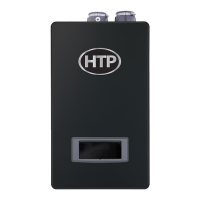
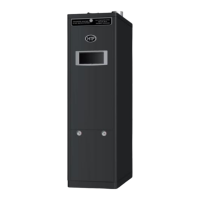
Floor and Wall Mount Models
USER’S INFORMATION
MANUAL
Models
EFTC-140F / 199F
EFTC-140W / 199W
NOTICE: HTP reserves the right to make product changes or updates without notice and will not be held liable for typographical errors
in literature.
NOTE TO CONSUMER: PLEASE KEEP ALL INSTRUCTIONS FOR FUTURE REFERENCE.
IF THE INFORMATION IN THIS MANUAL IS NOT FOLLOWED EXACTLY, A FIRE OR EXPLOSION MAY RESULT, CAUSING
PROPERTY DAMAGE, PERSONAL INJURY, OR LOSS OF LIFE. DO NOT STORE GASOLINE OR OTHER FLAMMABLE VAPORS
AND LIQUIDS IN THE VICINITY OF THIS OR ANY OTHER APPLIANCE.
WHAT TO DO IF YOU SMELL GAS
Do not try to light any appliance.
Do not touch any electrical switch.
Do not use any phone in your building.
Immediately call your gas supplier from a neighbor’s phone. Follow the gas supplier’s instructions.
If you cannot reach your gas supplier, call the fire department. Installation and service must be provided by a qualified installer,
service agency, or the gas supplier.

Questions and Answers

Overview

This document is a user's information manual for the HTP Elite Fire Tube Combi, available in both Floor and Wall Mount Models. The models covered are EFTC-140F/199F (Floor) and EFTC-140W/199W (Wall).

Function Description:

The HTP Elite Fire Tube Combi appliance is designed to provide both central heating (CH) and domestic hot water (DHW). It is equipped with an automatic ignition device, eliminating the need for a pilot light. The system is designed for high efficiency and reliability, offering a dual function for residential or commercial applications requiring both space heating and on-demand hot water. The appliance is certified by Intertek (cETLus listed), ENERGY STAR, Lead Free (SDWA Section 1417), and features Ultra Low NOx Emissions, complying with SCAQMD Rule 1146.2.

Important Technical Specifications:

  • Models: EFTC-140F, EFTC-199F, EFTC-140W, EFTC-199W.
  • Power Supply: 120V 60Hz.
  • Gas Type: Available for Natural Gas (NG) or Liquid Propane (LP). The specific gas type is indicated on the rating plate.
  • Ignition: Automatic ignition device; no pilot light.
  • Water Temperature: Capable of producing hot water over 125°F (52°C).
  • Pressure Ranges:
    • Normal CH loop pressure: 15 – 30 psi.
    • Normal DHW loop pressure: 20 – 150 psi.
    • Appliance will not operate if pressure is lower than 15 psi.
  • Safety Features:
    • Overheating prevention device: Factory installed limit control for appliance shutdown if water temperature exceeds set point.
    • Blocked vent shutoff system: Triggers error codes Er:20, Er:29, or Er:41 if vent is obstructed.
    • Carbon Monoxide (CO) detection recommendation: Installation of CO detectors outside sleeping areas is advised.
    • Lead-Free certification: Complies with Safe Drinking Water Act (SDWA) Section 1417.
    • Ultra Low NOx Emissions: Complies with SCAQMD Rule 1146.2.

Usage Features:

  • Operation:
    1. Start-up: Ensure thermostat is set to lowest, all electric power is off, and front cover is removed. Turn gas shutoff valve to "off" (handle across piping). Wait 5 minutes. If no gas smell, turn gas shutoff valve to "on" (handle in line with piping). Install front cover. Turn on electric power. Set thermostat to desired setting.
    2. Shutdown: Set thermostat to lowest, turn off electric power, remove front cover, turn gas shutoff valve to "off" (handle across piping), and install front cover.
    3. Gas Type Verification: Before first operation, confirm the connected gas type (NG or LP) matches the appliance's rating plate.
    4. Power Connection: Ensure proper 120V 60Hz power supply.
    5. Water Supply: Verify cold water inlet valve for DHW loop is open and providing proper pressure. Ensure automatic feed valve for CH loop is providing proper pressure.
    6. Gas Supply: Confirm manual gas shut-off valve is open.
    7. Ventilation: Ensure fresh air intake pipe and exhaust vents are open and functional. Do not obstruct.
    8. Error Codes: The Er:80 code indicates no water in the appliance. Ensure the appliance is full of water and air purged, then manually reset. Other error codes (Er:20, Er:29, Er:41) relate to blocked vent shutoff.
  • Safety Precautions:
    • Gas Leaks: If gas is smelled, do not light appliances, touch electrical switches, or use phones. Call gas supplier from a neighbor's phone or fire department. Regularly check gas pipes and connections with soapy solution for bubbles.
    • Flammable Materials: Do not store combustibles or flammable liquids (gasoline, solvents, adhesives) near the appliance. Vapors are invisible, heavier than air, travel along the floor, and can be ignited by the burner or pilot flame.
    • Combustion Air Contaminants: Do not operate if combustion air intake is near areas with products containing chlorine or fluorine (e.g., spray cans, cleaning chemicals, refrigerants, paint removers, etc.), as these can form strong acids and corrode the appliance. If contaminants are present, remove them or re-pipe the intake.
    • Hot Surfaces: Be cautious of hot internal components, exhaust vent, and water pipes during operation.
    • Scalding Hazard: Water temperatures over 125°F can cause severe burns. Children, disabled, and elderly are at highest risk. Feel water before bathing/showering. Temperature limiting valves are available.
    • Carbon Monoxide: Improper ventilation or exhaust gas leaks can cause CO poisoning. Shut down appliance, close gas valve, open windows, and call a qualified technician if a leak is suspected.
    • Freezing: Insulate exposed water pipes. If not used during freezing conditions, leave zone valves open for circulation pump protection or drain the system. Thaw frozen pipes with a hair dryer or electric heating device, not open flame.
    • Water Damage: Ensure proper discharge lines for pressure relief valves to prevent water damage or scalding.
    • Unauthorized Repairs: Do not attempt to install, repair, or service the appliance unless qualified. Contact a qualified service technician.

Maintenance Features:

  • Annual Service (Qualified Service Technician):
    • Attend to reported problems.
    • Inspect/clean appliance cabinet interior.
    • Clean condensate trap and fill with fresh water.
    • Check condensate neutralizer (if applicable) for marble chips.
    • Check for water, gas, flue, and condensate leaks.
    • Verify exhaust vent and intake piping condition, seals, and bracing.
    • Check appliance water pressure, piping, and expansion tank.
    • Check control settings.
    • Check, clean, and reposition ignition electrode.
    • Check ignition and ground wiring.
    • Check all control wiring and connections.
    • Check burner flame pattern.
    • Clean heat exchanger and flue ways (if combustion/performance is poor).
    • Remove burner assembly and clean burner head with compressed air (if combustion/performance is poor).
    • Flushing the appliance heat exchanger and CH/DHW loops (complex procedure, technician only).
  • Owner Maintenance:
    • Daily:
      • Check surrounding area for combustible/flammable materials and air contaminants (refer to Table 1 for list of products and areas). Remove any found.
      • Ensure appliance cabinet is closed and secured.
      • Check power cord connection and main power line.
      • Observe control panel for power status and error codes.
      • Verify exhaust vent and intake pipe terminations are clean and free of obstructions.
    • Monthly:
      • Check outdoor exhaust vent and intake pipe terminations for blockages (do not perform if difficult to reach).
      • Check CH and DHW loop pressure gauges (normal CH: 15-30 psi, normal DHW: 20-150 psi).
      • Inspect exhaust vent and intake piping for blockage, leakage, deterioration, and bracing condition.
      • Check pressure relief valve for weeping or leakage.
      • Check condensate drain system for flue gas leaks (indicates dry trap) and condensate neutralizer for marble chips.
    • Every 6 Months:
      • Check appliance piping and gas supply piping for corrosion or leakage.
      • Perform gas leak inspection (refer to operating instructions, page 2).
      • Visually inspect for leaks around internal appliance water connections, heat exchanger, external system piping, circulators, components, and fittings.
      • Operate pressure relief valves: Lift lever slightly to allow water to relieve. Ensure valve seats properly and does not weep. If weeping persists, contact a technician. If no water flows, valve or discharge line may be blocked; shut down appliance and call a technician.
  • Glycol Systems: If glycol is used as heat transfer fluid, it must be serviced periodically by a qualified technician. Glycol can break down, become acidic, and attack gaskets/seals. Do not test glycol quality yourself.

HTP EFTC-140F Specifications

General IconGeneral
BrandHTP
ModelEFTC-140F
CategoryBoiler
Fuel TypeNatural Gas
Input BTU140, 000
Efficiency95%

Related product manuals