
 Need help?
Do you have a question about the Hurricane INLINE Series and is the answer not in the manual?
Inspect motor, fan wheel, and fasteners periodically. Clean impeller with a damp cloth.
Avoid wet hands, moisture, and children operating. Ensure correct voltage and disconnect power when not in use.
Do not expose to extreme temperatures, rain, or liquids. Do not use near flammable substances.
Wear gloves, secure fan with clamps, and ensure wiring connections are tight.
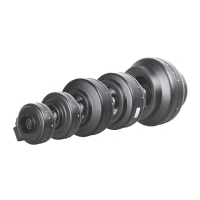
The Hurricane Inline Fan Series is designed for general ventilation, offering a reliable solution for air movement in various settings. This instruction manual provides comprehensive guidance on its installation, operation, and maintenance, ensuring optimal performance and extended service life.
The primary function of the Hurricane Inline Fan is to move air efficiently, serving as a ventilation device. It is engineered to facilitate air circulation, making it suitable for applications where controlled airflow is required. The fan operates by drawing air through an intake and expelling it through an exhaust, creating a continuous flow. Its design emphasizes electrical and mechanical reliability, aiming to provide consistent performance over time. The fan is intended for general ventilation use and should not be employed for exhausting hazardous or explosive vapors.
The Hurricane Inline Fan is designed for straightforward installation and operation, though adherence to specific guidelines is crucial for safety and performance. Users are advised to wear gloves when moving or installing the fan to ensure safety. When attaching ducting, the fan should be securely fastened with clamps, as illustrated in the manual. The wiring diagram is conveniently located under the contact box cover, simplifying the electrical connection process. Importantly, the fan comes pre-wired with a standard 120-volt power cord, eliminating the need for additional wiring modifications.
Before connecting the product to the main power supply or electrical outlet, users must verify that their electrical voltage and frequency match those indicated on the rating plate. The main power supply must also be sufficient to operate the product at its maximum power. If the power supply is inadequate, professional assistance is recommended. To ensure optimum operation, it is critical not to block the air intake and exhaust vents. The fan features an unguarded impeller, meaning it should not be used in locations readily accessible to people or animals to prevent injury.
After the inline fan has been started, users should check several key aspects:
The fan should not be operated by children or unskilled individuals. It is also crucial never to place anything near or in the intake or exhaust ports of the fan. The device should not be used in ambient temperatures exceeding 40°C (104°F) and must not be exposed to rain, sun, snow, or other wet conditions. The product or its components should never be submerged in water or other liquids. To prevent fire risks, the fan should not be used in the presence of flammable substances or vapors such as alcohol, insecticides, or gasoline.
Regular maintenance is essential to ensure the longevity and optimal performance of the Hurricane Inline Fan. The motor and the fan wheel should be periodically inspected, with a recommended inspection frequency of every six months for continuously operated units. All maintenance tasks must be carried out by qualified personnel to ensure safety and proper execution.
Before performing any maintenance or cleaning, the unit must be disconnected from the power supply and any associated ductwork. All fasteners should be checked to ensure they are securely tightened, and all rotating items should be inspected for easy mobility. If debris is observed on the impeller, it should be cleaned with a damp (not wet) cloth. It is crucial not to use detergents or abrasive materials for cleaning, as these can damage the fan components.
If a fault, malfunction, or any anomaly occurs, the fan should be immediately disconnected from the power supply, and qualified personnel should be contacted. For any repairs, only original parts should be used. If the product needs to be removed, the main circuit breaker should be turned off, and the device disconnected from the circuit. The device should then be placed in a safe location, away from children and pets. The electrical system to which the fan is connected must comply with current standards and codes regarding electrical systems for such devices.
The manual also emphasizes the importance of visually inspecting the fan for damage immediately after removing it from its package. This includes checking that the fan housing and fan wheel are not damaged and that the fan wheel rotates freely without catching or scraping the internal housing, and is securely fastened to its rotation shaft. If any questions arise regarding the Hurricane inline fan, users should contact a qualified person or their place of purchase. Packing materials should be kept out of reach of children and disposed of responsibly, avoiding environmental contamination. If the product is dropped or the box is damaged, the retailer should be contacted immediately to verify proper operation.
 General
| Type | Inline Fan |
|---|---|
| Application | Ventilation |
| Mounting | Duct |
| Bearing Type | Ball bearing |
| Speed | Single Speed |
| Airflow | Varies by model (e.g., 100-1000 CFM) |
| Connector | Standard electrical plug |


 To Next Page